What is the Repeal of a Statute
Repeal means the formal cancellation or revocation of a law by a competent legislature. A statute can be repealed expressly, where the repealing law specifically states that an earlier Act is withdrawn, or impliedly, where a new law is so inconsistent with an older one that both cannot stand together, leading courts to conclude that the earlier law has been repealed by implication.
Repeal is different from a temporary statute, which is a law made to last only for a specific period. Once that period ends, the statute automatically expires, without any separate repealing Act being required.
Key Statutory Provisions under Indian Law
The General Clauses Act, 1897
This Act lays down general rules for interpreting central legislation, including how repeals operate.
- Section 6, Effect of Repeal: This is the most important provision on this topic. It states that unless a different intention appears, repeal of an Act does not revive anything not in force at the time of repeal, does not affect the previous operation of the repealed Act, does not affect any right or liability acquired under it, and does not affect any legal proceeding in respect of such a right or liability. In simple terms, repealing a law does not erase what already happened under it.
- Section 6A, Repeal of Act Making Textual Amendment: This clarifies that if a repealed Act had itself amended another Act, that amendment continues to remain in force even after the repealing Act is withdrawn, unless a different intention appears.
- Section 24, Continuation of Orders Made Under Enactments Repealed and Re-enacted: If an Act is repealed and simultaneously re-enacted with similar provisions, notifications, rules, or orders made under the old law continue to apply under the new law, unless inconsistent with it.
Constitutional Provisions
Article 372 of the Constitution of India ensures that laws in force before the commencement of the Constitution continue until altered, repealed, or amended by a competent legislature, providing continuity in the legal system.
Temporary Statutes: How They Differ
A temporary statute contains its own expiry date or duration within the text of the Act itself. Once that period lapses, the statute ceases to operate automatically, without needing a formal repeal. However, similar to Section 6 of the General Clauses Act, rights and liabilities that arose during the operation of a temporary statute generally continue to be enforceable, unless the statute itself says otherwise.
Comparison: Repealed Statute vs Temporary Statute
| Aspect | Repealed Statute | Temporary Statute |
|---|---|---|
| How it ends | Through a formal repealing Act | Automatically, on expiry of its stated duration |
| Legislative action needed | Yes, a new Act or provision is required | No, it lapses on its own |
| Effect on past rights | Preserved under Section 6, General Clauses Act | Generally preserved unless stated otherwise |
| Revival possibility | Can be revived by fresh legislation | Can be extended before expiry through an amending Act |
Process: What Happens When a Statute is Repealed
- Legislature passes a repealing Act, either express or through inconsistency
- Section 6 of the General Clauses Act automatically applies unless excluded
- Rights, liabilities, and pending proceedings under the old law are preserved
- Any textual amendments made by the repealed Act to other laws continue, under Section 6A
- New rules or orders may be issued under the new law, replacing earlier ones if inconsistent
Frequently Asked Questions
Express repeal is stated clearly in the new Act, while implied repeal arises when two laws are so inconsistent that both cannot operate together.
No, under Section 6 of the General Clauses Act, rights, liabilities, and pending proceedings under the repealed law generally continue.
It is a law made to operate only for a fixed period, after which it expires automatically without a separate repealing Act.
Yes, through an amending Act passed before its expiry date.
It is a provision in a repealing Act that specifies what happens to rights, liabilities, or proceedings under the old law, and can override the default protections under Section 6.
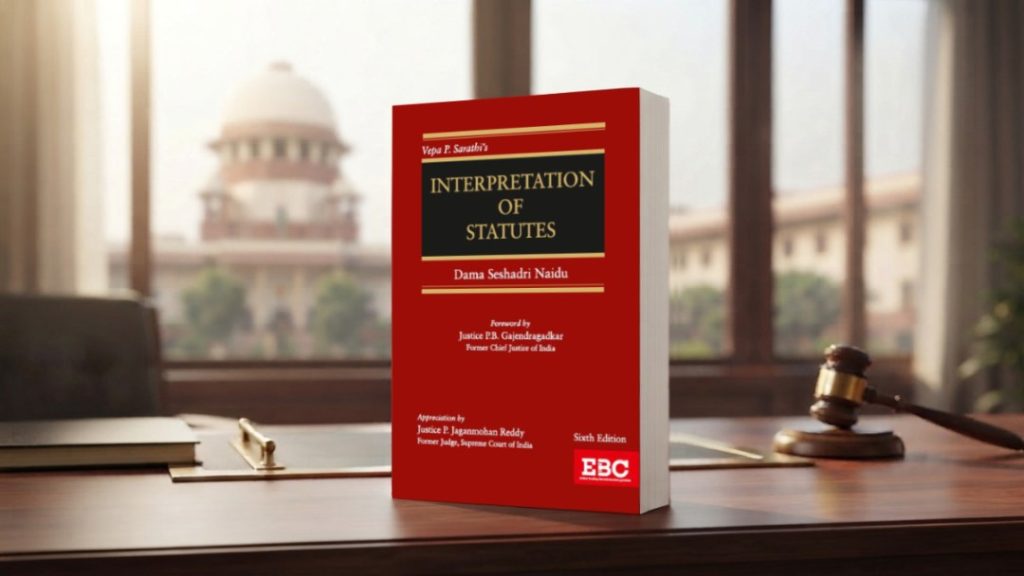
Want the deeper dive? Grab the reference book.