The terms homicide and murder are often used interchangeably in everyday conversations, crime reports, and even popular media. However, under Indian criminal law, they do not mean the same thing. Every murder is a form of homicide, but not every homicide amounts to murder.
Understanding the distinction between homicide and murder is essential for law students, legal professionals, judiciary aspirants, and anyone interested in criminal law. The difference largely depends on the offender’s intention, knowledge, circumstances of the act, and the applicable legal exceptions.
This article explains the concepts of homicide and murder under the Bharatiya Nyaya Sanhita, 2023 (BNS) in simple and practical terms.
What Is Homicide?
Homicide refers to the killing of one human being by another. It is a broad term that includes both lawful and unlawful killings.
Examples of homicide may include:
- Murder
- Culpable homicide not amounting to murder
- Death caused in private defence under lawful circumstances
- Certain accidental killings
Therefore, homicide is the larger category under which murder falls.
Understanding Culpable Homicide
Under Indian criminal law, culpable homicide generally refers to causing death:
- With the intention of causing death; or
- With the intention of causing bodily injury likely to cause death; or
- With the knowledge that the act is likely to cause death.
The law recognizes that not every killing occurs with the same degree of criminal intent. Therefore, culpable homicide serves as a broader category that covers different levels of criminal responsibility.
What Is Murder?
Murder is the most serious form of culpable homicide.
A culpable homicide becomes murder when the act is committed with a particularly high degree of intention or knowledge, such as:
- Intending to cause death;
- Intending to cause an injury known to be likely to cause death;
- Intending to inflict bodily injury sufficient in the ordinary course of nature to cause death; or
- Committing an act so dangerous that death is almost certain to result.
Because of its greater degree of culpability, murder attracts more severe punishment than other forms of homicide.
Factors Courts Consider
When deciding whether an act constitutes murder or culpable homicide, courts often examine:
- Nature of the weapon used
- Part of the body targeted
- Number of injuries inflicted
- Circumstances leading to the incident
- Presence or absence of premeditation
- Conduct of the accused before and after the act
Each case is decided based on its own facts and evidence.
Homicide and Murder Under the Bharatiya Nyaya Sanhita, 2023
The Bharatiya Nyaya Sanhita, 2023 continues the fundamental distinction between culpable homicide and murder that existed under earlier criminal law.
The principles relating to:
- Intention
- Knowledge
- Exceptions
- Criminal responsibility
remain central to determining whether a killing constitutes murder or a lesser offence.
Students studying criminal law under the new legal framework must therefore understand these concepts thoroughly.
Frequently Asked Questions (FAQs)
Homicide is a broad category involving the killing of a human being, while murder is the most serious form of unlawful homicide involving a higher degree of intention or knowledge.
No. Some homicides may be lawful, such as deaths caused in valid private defence or other legally justified circumstances.
Yes. Murder is a type of homicide.
The distinction is based on the degree of intention, knowledge, and the presence of legal exceptions that may reduce criminal liability.
In certain circumstances, a sudden fight without premeditation may reduce the offence from murder to culpable homicide not amounting to murder.
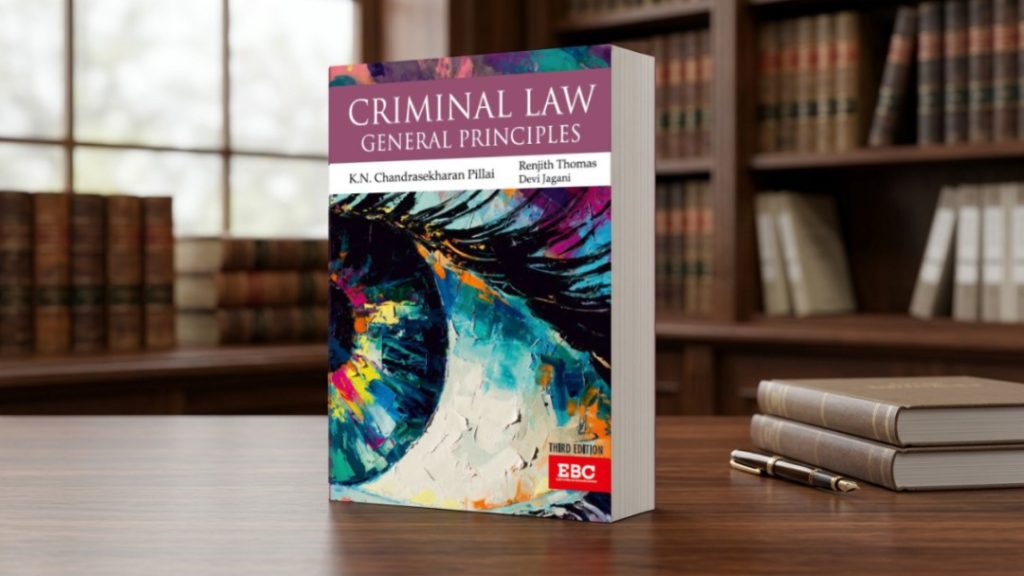
For further reading and detailed analysis, refer to this resource.