A strong legal foundation begins with the right books. Whether you’re preparing for classes, internships, moots, or competitive examinations, having reliable textbooks can make all the difference. Here are five essential law textbooks that every law student should consider adding to their library in 2026.
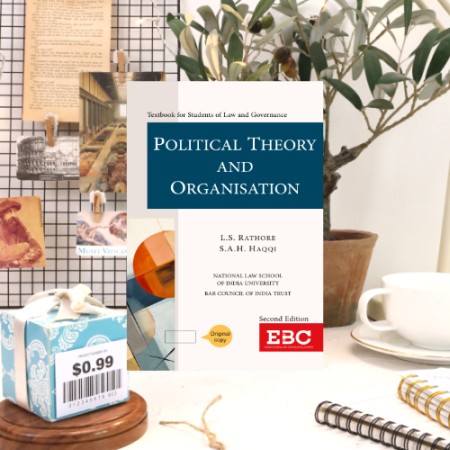
Political Theory and Organisation
by L S Rathore, S A H Haqqi
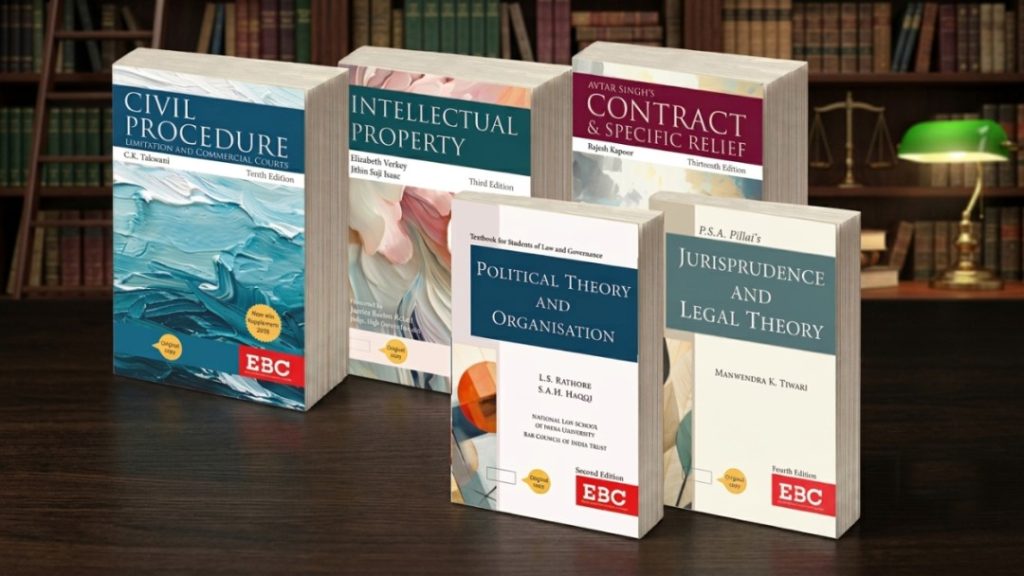
The second edition of Political Theory and Organization by L.S. Rathore and S.A.H. Haqqi serves as an updated, accessible guide to classical and modern political ideas and institutional frameworks. Aligned with contemporary scholarship, this revised volume introduces a major new chapter on Rights and Duties alongside expanded reading lists. Crucially, the text offers a unique focus on Indian perspectives, blending the evolution of liberalism and Marxism with balanced analyses of Hindu and Islamic concepts of the State. This rigorous work is explicitly tailored for law teachers as well as students of law, political science, and public administration. Know more
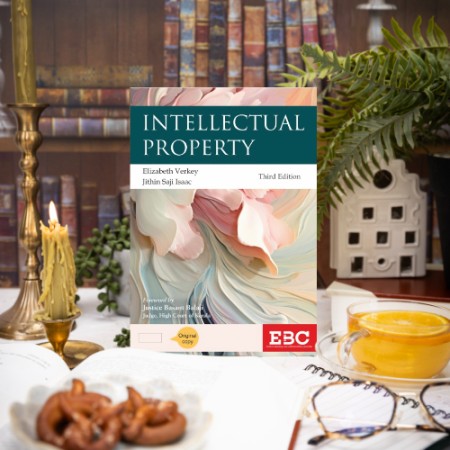
Intellectual Property
by Elizabeth Verkey, Jithin Saji Isaac
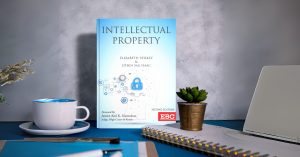
The third edition of Intellectual Property by Dr. Elizabeth Verkey and Dr. Jithin Saji Isaac is a fully updated, lucid guide that captures new legal developments arising from rapid technological change. From a lawyer’s perspective, this volume effectively blends general legal principles with leading case laws and recent statutory amendments. It covers foundational pillars like copyright, trademarks, and patents alongside specialized areas such as geographical indications, industrial designs, and trade dress. Notably, the text incorporates comparative references and recent case law from Indian, UK, and US jurisdictions. Written in easy-to-understand language, this textbook and ready reference is ideal for judges, practitioners, law teachers, and students. Know more
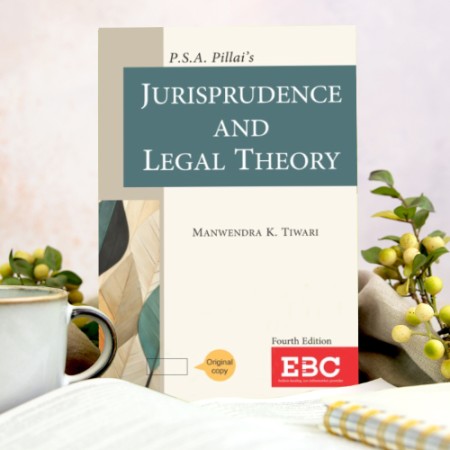
P S A Pillai’s Jurisprudence and Legal Theory
by Manwendra K Tiwari
This book offers a comprehensive and practical introduction to Jurisprudence and Legal Theory, explaining law as a dynamic concept shaped by society, facts, and legal institutions. Structured into three parts—Principles of Jurisprudence, Elements of Law, and Legal Theories—it provides a clear and systematic understanding of the subject. The book connects foundational concepts such as rights, ownership, possession, and liabilities with contemporary legal realities. Combining theoretical depth with practical insight, it serves as a valuable resource for students, academics, lawyers, judges, and researchers. Know more
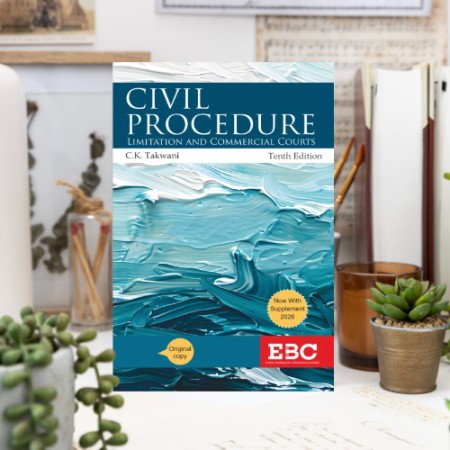
Civil Procedure (CPC) | With Limitation and Commercial Courts by C K Takwani
Civil Procedure by C.K. Takwani is a widely trusted guide that presents the principles of Civil Procedure and Limitation in a clear, logical, and student-friendly manner. Covering everything from jurisdiction and pleadings to trials and commercial courts, the book simplifies complex procedural concepts through lucid explanations and extensive case law references. Updated with the latest judicial developments and the Mediation Act, 2023, it combines academic depth with practical relevance. An essential resource for law students, lawyers, judges, and legal educators, it remains one of the most prescribed CPC texts in India. Know more
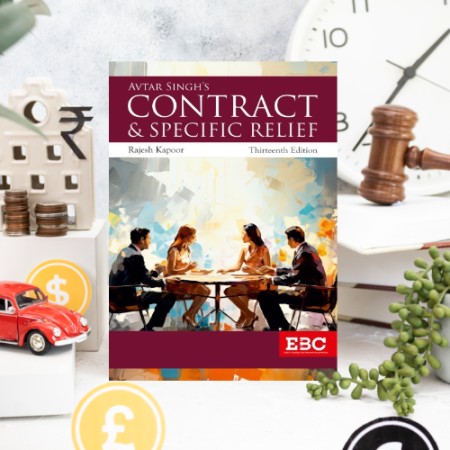
Avtar Singh’s Law of Contract & Specific Relief
by Rajesh Kapoor
Avtar Singh’s Law of Contract and Specific Relief is one of the most authoritative and widely relied-upon texts on contract law in India. Written in a clear and accessible style, the book explains both foundational principles and emerging developments in contract law with practical relevance. The latest edition, revised by Prof. Rajesh Kapoor, incorporates recent case law and key legislative changes, including the Specific Relief (Amendment) Act, 2018, which significantly transformed the law relating to specific performance. Combining scholarly depth with practical insight, this classic work remains an indispensable resource for students, lawyers, judges, academicians, and researchers. Know more