One of the most common questions property owners in Uttar Pradesh ask is simple but confusing: revenue court vs civil court, which one should I actually approach for my land dispute? Filing in the wrong forum can waste months, sometimes years, since the other court may simply refuse to hear a matter that legally belongs elsewhere. Understanding this split matters because Uttar Pradesh, unlike many other states, routes most land related disputes through a specialised revenue court system rather than the ordinary civil courts.
Why UP Has Two Separate Court Systems
Civil courts in India function under the general Code of Civil Procedure, 1908 (CPC) and the Civil Courts Act, and they handle disputes involving contracts, property title, money claims, and most other civil matters. However, agricultural land and revenue records specifically are governed by a separate law in UP, the Uttar Pradesh Revenue Code, 2006, which created a dedicated hierarchy of revenue courts to deal with land record entries, tenure, partition, and possession disputes involving agricultural holdings.
This dual system exists because revenue matters require specialised knowledge of land records, khatauni entries, and local land history, which revenue officers handle more efficiently than general civil courts.
Key Legal Provisions Governing Revenue Courts
- Section 5, UP Revenue Code, 2006: Establishes the revenue court hierarchy, including the Board of Revenue, Commissioner, Additional Commissioner, Collector, Additional Collector, Sub Divisional Officer, and Tehsildar.
- Chapter 13 of the UP Revenue Code, 2006 (Sections 197 to 217): Lays down the jurisdiction, procedure, and powers of revenue courts, including how suits are filed, evidence recorded, and appeals made.
- Section 218, UP Revenue Code, 2006: Bars civil courts from hearing any matter that the Revenue Code specifically assigns to a revenue court, making this the key provision that decides which forum has authority.
- Code of Civil Procedure, 1908: Continues to apply to matters not covered under the Revenue Code, such as disputes over sale deeds, contracts related to land, or non-agricultural property.
- UP Revenue Code Rules, 2016: Provides the procedural forms and timelines revenue courts must follow, supplementing the Code itself.
Revenue Court Hierarchy at a Glance
         Board of Revenue
                |
          Commissioner
                |
      Additional Commissioner
                |
             Collector
                |
      Additional Collector
                |
    Sub Divisional Officer (SDO)
                |
            Tehsildar
Revenue Court vs Civil Court: Quick Comparison
| Basis | Revenue Court | Civil Court |
|---|---|---|
| Governing Law | UP Revenue Code, 2006 | Code of Civil Procedure, 1908 |
| Typical Disputes | Mutation, partition of agricultural land, boundary disputes, tenure rights | Title disputes, sale deed disputes, contract and money claims |
| Starting Forum | Tehsildar or Sub Divisional Officer | District Civil Judge or lower court, depending on value |
| Highest Appellate Authority | Board of Revenue | High Court, then Supreme Court |
| Jurisdiction Bar | Excludes civil court under Section 218 for covered matters | Excluded where Revenue Code specifically applies |
Rights, Obligations, and Procedure
A person seeking to correct a land record entry, resolve a boundary dispute, or claim possession of agricultural land generally must first approach the Tehsildar, moving upward through the hierarchy if unsatisfied. A person disputing ownership through a sale deed, inheritance conflict involving non-agricultural property, or a contractual claim generally approaches the civil court instead, since these fall outside the Revenue Code’s specific coverage.
Filing in a revenue court typically involves submitting an application along with relevant land record extracts, followed by notice to the opposite party and a hearing before the revenue officer.
Exceptions and Practical Limits
Not every land related matter goes to a revenue court. Where a dispute genuinely involves a question of civil title, such as whether a sale deed itself is valid, civil courts retain jurisdiction, since the Revenue Code bar under Section 218 applies only to matters the Code specifically assigns to revenue authorities. This distinction is often the exact point of confusion litigants face.
Limitation Periods and Costs to Know
Timelines matter in revenue matters, since delay can weaken or even bar a claim.
- Mutation applications: Should ideally be filed promptly after inheritance, sale, or transfer, since prolonged delay can complicate proof of possession, though no rigid limitation is fixed for mutation itself under the Revenue Code.
- Appeals from a Tehsildar’s order: Generally must be filed within the period prescribed under the UP Revenue Code Rules, 2016, which is typically thirty days from the date of the order, though this should always be confirmed against the current rule position before filing.
- Court fees: Revenue court filings usually involve a nominal court fee compared to civil suits, which often calculate fees based on the value of the property, making the revenue forum comparatively less expensive for straightforward matters like mutation or partition.
What Happens If You File in the Wrong Forum
This is a common and costly mistake. If a matter genuinely belonging to a revenue court is filed in a civil court, or vice versa, the court hearing it does not simply proceed regardless. Instead, the following typically happens:
- The court examines whether it has jurisdiction over the subject matter before proceeding further.
- If jurisdiction is absent under Section 218, the civil court will return or dismiss the plaint for lack of jurisdiction, directing the party to the correct forum.
- Time spent in the wrong forum is not always automatically excluded when calculating limitation for refiling, so a mistaken filing can genuinely cost a litigant their claim if discovered late.
- To avoid this, it helps to clearly identify whether the dispute concerns land record entries and possession, which point to revenue court, or a question of title and contractual validity, which point to civil court, before filing anywhere.
Frequently Asked Questions
If it concerns land record entries, mutation, partition, or possession of agricultural land, it generally belongs to the revenue court. If it concerns a sale deed’s validity or a contractual claim, civil court is usually correct.
The Board of Revenue is the highest authority in the state’s revenue court hierarchy.
No, Section 218 of the UP Revenue Code, 2006 bars civil courts from hearing such matters.
A party can approach the High Court through writ jurisdiction if they believe the order is legally incorrect.
No, they follow their own procedure under Chapter 13 of the UP Revenue Code, 2006 and the UP Revenue Code Rules, 2016, though many principles are similar.
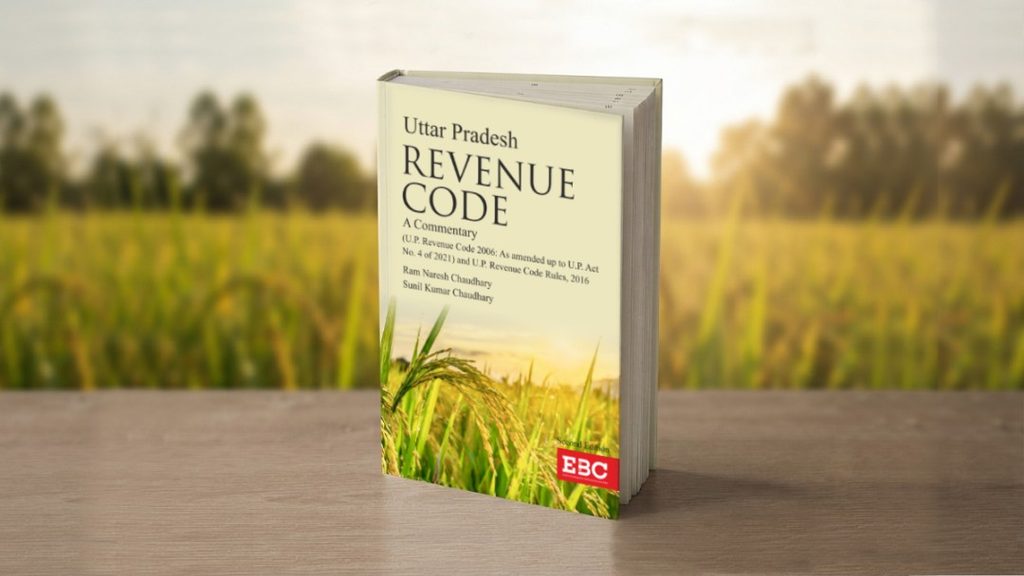
Want the deeper dive? Grab the reference book.