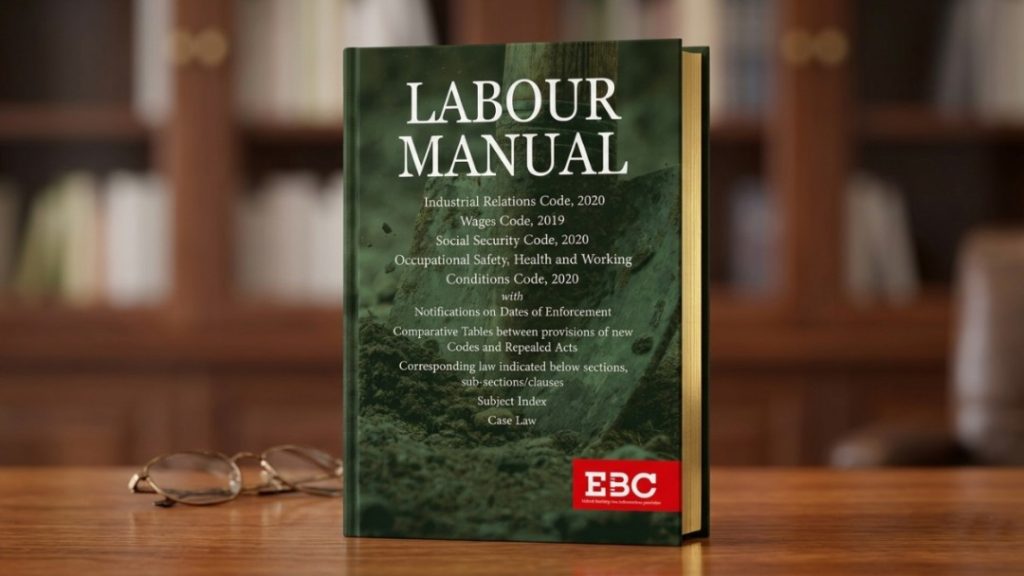
India’s labour law landscape is going through one of the biggest reforms in decades. The government has consolidated 29 central labour laws into four new labour codes to simplify compliance, improve transparency, and create a better balance between employee welfare and ease of doing business.
For HR managers, this transition is not just a legal update; it is a major operational shift. From payroll restructuring and working hours to social security and employee documentation, HR teams need to prepare carefully.
In this blog, we’ll break down the new labour codes in simple language and provide a practical compliance checklist that HR professionals can actually use.
What Are the New Labour Codes?
The Government of India has introduced four labour codes:
- Ministry of Labour and Employment Code on Wages, 2019
- Industrial Relations Code, 2020
- Occupational Safety, Health and Working Conditions Code, 2020
- Code on Social Security, 2020
These codes aim to:
- Simplify labour law compliance
- Standardize definitions across laws
- Improve employee benefits
- Digitize compliance processes
- Reduce legal confusion for employers
Although implementation timelines may vary by state, HR departments should already be preparing their systems and policies.
Why HR Managers Need to Prepare Now
Many organizations assume they can wait until formal implementation notifications are issued. However, proactive preparation is critical because labour code compliance impacts:
- Salary structures
- HR policies
- Employment contracts
- Attendance systems
- Leave management
- Contractor management
- Payroll software
- PF and gratuity calculations
Delayed preparation can lead to compliance gaps, payroll errors, and employee dissatisfaction.
Key Changes HR Managers Must Understand
1. New Definition of “Wages”
One of the most important changes is the standardized definition of wages.
Under the new codes:
- Basic salary + DA + retaining allowance should generally form at least 50% of total remuneration.
- Excess allowances beyond the prescribed limit may be added back into wages.
Impact on HR & Payroll
This directly affects:
- Provident Fund (PF)
- Gratuity
- Bonus calculations
- Overtime
- Leave encashment
What HR Should Do
- Review salary structures immediately
- Recalculate CTC components
- Coordinate with payroll teams and finance
- Assess impact on employee take-home salary
2. Working Hours and Overtime Rules
The new labour framework allows flexibility in working hours while maintaining overall weekly limits.
Key focus areas include:
- Maximum daily working hours
- Mandatory rest intervals
- Overtime compensation
- Digital attendance tracking
HR Compliance Tips
- Maintain accurate attendance records
- Update overtime approval processes
- Ensure shift policies are legally compliant
- Train managers on overtime regulations
3. Social Security Coverage Expansion
The Code on Social Security expands coverage to:
- Gig workers
- Platform workers
- Contract employees
- Fixed-term employees
This means organizations using flexible workforce models must review their compliance responsibilities.
HR Action Points
- Audit contractor and vendor workforce data
- Verify PF and ESIC registrations
- Maintain digital employee records
- Track fixed-term employment benefits properly
4. Fixed-Term Employment Rules
Fixed-term employees are entitled to benefits similar to permanent employees on a proportional basis.
This includes:
- Gratuity eligibility
- Statutory benefits
- Working condition protections
Why This Matters
Many companies use fixed-term hiring for project-based roles. Incorrect classification may create compliance risks.
HR Checklist
- Review appointment letters
- Clearly define contract duration
- Ensure benefit parity
- Maintain proper documentation
5. Increased Importance of Digital Compliance
The new labour ecosystem encourages digitization and centralized compliance reporting.
Organizations are expected to maintain:
- Electronic registers
- Digital wage records
- Online filings
- Unified employee databases
HR Preparation Strategy
- Upgrade HRMS systems
- Digitize employee records
- Automate statutory reminders
- Maintain audit-ready documentation
HR Compliance Checklist Under the New Labour Codes
Here’s a practical checklist HR managers can use:
Payroll & Compensation
✔ Review wage structures
✔ Ensure basic pay compliance with 50% rule
✔ Recalculate PF and gratuity liabilities
✔ Update payroll software
HR Policies
✔ Revise leave and attendance policies
✔ Update overtime guidelines
✔ Modify employee handbook
✔ Align work-hour policies with labour code
Employment Documentation
✔ Update appointment letters
✔ Review contractor agreements
✔ Maintain digital employee records
✔ Verify employee classification
Social Security Compliance
✔ Check PF and ESIC registrations
✔ Ensure contractor compliance
✔ Review fixed-term employee benefits
✔ Maintain statutory records properly
Technology & Recordkeeping
✔ Upgrade HRMS systems
✔ Enable digital compliance tracking
✔ Store records securely
✔ Prepare for labour inspections and audits
Common Challenges HR Teams May Face
Salary Restructuring Concerns
Employees may worry about reduced take-home salary due to higher PF contributions.
HR Solution
Communicate transparently and explain long-term retirement benefits.
Multi-State Compliance Complexity
Labour law implementation may vary across states.
HR Solution
Track state-specific notifications regularly and coordinate with legal advisors.
Vendor and Contractor Compliance Risks
Third-party workforce compliance is becoming more important.
HR Solution
Conduct periodic contractor audits and maintain compliance documentation.
Best Practices for HR Managers
Conduct a Labour Code Audit
Review all HR processes before implementation.
Train Managers and Payroll Teams
Operational teams should understand practical compliance requirements.
Communicate Clearly with Employees
Employees appreciate transparency regarding salary and policy changes.
Work Closely with Legal and Finance Teams
Labour code implementation affects multiple departments.
For further reading and detailed analysis, refer to this resource.