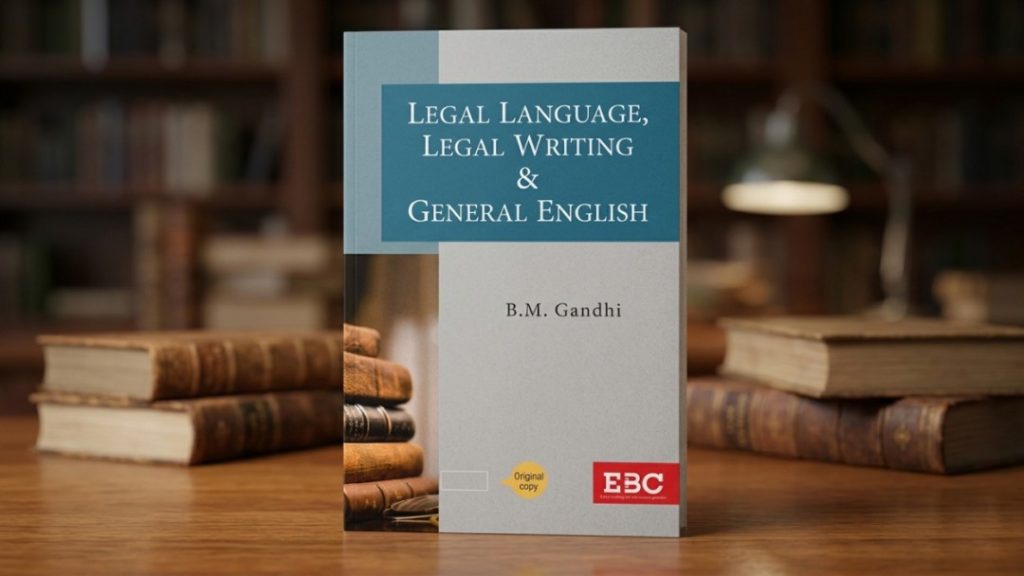
Writing a case comment is one of the most important academic skills for law students. Whether you are preparing a college assignment, participating in a legal writing competition, or improving your analytical skills, knowing how to write a good case comment can help you stand out.
Many students struggle with case comments because they are unsure about the format, structure, and level of analysis required. A case comment is not just a summary of a judgment. It is a critical analysis of a court decision where the writer examines the facts, legal issues, reasoning of the court, and the overall impact of the judgment.
This guide explains how to write a case comment in law school in a simple and practical way.
What is a Case Comment?
A case comment is a detailed analysis of a judicial decision. It discusses:
- the facts of the case,
- legal issues involved,
- arguments presented,
- court’s reasoning,
- and the significance of the judgment.
The main purpose of a case comment is to evaluate the judgment critically and explain its legal importance.
Why are Case Comments Important?
Case comments are important because they:
- improve legal research skills,
- develop analytical thinking,
- strengthen legal writing,
- help students understand judicial reasoning,
- and improve understanding of legal principles.
They are widely used in law schools, journals, moot court preparation, and legal publications.
Structure of a Good Case Comment
A well-written case comment usually follows a clear structure. Organised writing makes your analysis easier to understand and improves readability.
1. Title of the Case
Start with the full name of the case along with citation details.
Example:
Donoghue v Stevenson (1932) AC 562
Make sure the citation format follows the style prescribed by your institution.
2. Introduction
The introduction should briefly explain:
- what the case is about,
- why it is important,
- and the legal issue involved.
Keep it concise and engaging.
Example:
“This case is considered a landmark judgment in the law of negligence because it established the modern concept of duty of care.”
3. Facts of the Case
In this section, explain the background and material facts of the dispute.
Focus only on relevant facts and avoid unnecessary details.
Tips:
- Write in chronological order
- Use simple language
- Keep it short and clear
4. Legal Issues Involved
Identify the major legal questions before the court.
Example:
- Whether the defendant owed a duty of care?
- Whether negligence was established?
This section helps readers understand what the court had to decide.
5. Arguments of the Parties
Briefly discuss the arguments made by:
- the petitioner/plaintiff,
- and the respondent/defendant.
Do not explain every argument in detail. Mention only the important legal points.
6. Judgment of the Court
This is one of the most important sections of a case comment.
Explain:
- the court’s decision,
- reasoning,
- legal principles applied,
- and final ruling.
Try to simplify complex legal language so readers can understand the judgment easily.
7. Critical Analysis
This section is the heart of a case comment.
Here, you critically evaluate the judgment by discussing:
- strengths of the decision,
- weaknesses,
- social impact,
- legal significance,
- and possible criticism.
You may also discuss whether the judgment was fair, practical, or legally sound.
Important:
Do not simply praise or criticize the court. Your analysis should be logical and balanced.
Tips for Writing a Good Case Comment
Read the Judgment Carefully
Do not rely only on summaries available online. Read the actual judgment to understand the court’s reasoning properly.
Focus on Analysis, Not Summary
Many students make the mistake of only summarising facts. A good case comment focuses more on critical analysis than narration.
Use Clear and Simple Language
Avoid unnecessary legal jargon and complicated sentences. Clear writing improves readability and engagement.
Support Your Analysis
Where necessary, support your points using:
- legal principles,
- scholarly opinions,
- or comparative perspectives.
Maintain Proper Structure
Use headings and subheadings properly. Structured content is easier to read and understand.
Frequently Asked Questions (FAQs)
The purpose of a case comment is to analyse and evaluate a judicial decision while explaining its legal significance and impact.
A case summary only explains the facts and judgment, while a case comment critically analyses the decision and discusses its importance.
A case comment generally includes:
introduction,
facts,
legal issues,
arguments,
judgment,
critical analysis,
and conclusion.
You can improve by:
reading judgments regularly,
practising legal writing,
analysing court reasoning,
and studying well-written case comments.
Yes, but criticism should be logical, respectful, and supported by proper reasoning.
Yes. It improves legal research, analytical thinking, and legal writing skills, which are important for academics and legal careers.
For a deeper understanding, you can refer to this resource.