Fundamental Rights are now considered the backbone of the Indian Constitution. They protect individual liberty, equality and human dignity against arbitrary state action. However, the idea of rights in India did not suddenly emerge in 1950 with the enforcement of the Constitution.
The concept of fundamental rights evolved gradually through colonial experiences, political struggles, nationalist movements and constitutional debates during British rule. Long before the Constitution came into force, Indian leaders and reformers were demanding civil liberties, equality before law and protection against state excesses.
Understanding the evolution of fundamental rights before the Indian Constitution helps explain why rights occupy such a central place in modern Indian democracy.
What Are Fundamental Rights?
Fundamental Rights are basic rights guaranteed to individuals against state interference. They ensure:
- Equality before law
- Freedom of speech and expression
- Protection of life and liberty
- Freedom of religion
- Protection against exploitation
Today, these rights are contained in Part III of the Constitution of India.
However, their roots can be traced much earlier.
Early Ideas of Rights in India
The idea of justice and individual protection existed in ancient and medieval India through concepts such as:
- Dharma
- Rule of moral duty
- Community justice systems
- Religious tolerance in certain periods
Although these systems did not provide modern constitutional rights, they reflected early notions of fairness, social order and accountability.
Modern ideas of civil liberties developed mainly during British colonial rule.
British Rule and the Growth of Rights Consciousness
British colonial administration introduced:
- codified laws,
- modern courts,
- legislative councils,
- and the idea of rule of law.
At the same time, colonial rule also led to:
- racial discrimination,
- restrictions on speech,
- preventive detention,
- censorship,
- and unequal political participation.
This contradiction played a major role in the growth of rights consciousness in India.
Indian political leaders increasingly began demanding:
- civil liberties,
- equality before law,
- representative government,
- and constitutional safeguards.
Influence of Western Constitutional Ideas
The Indian freedom movement was heavily influenced by constitutional developments across the world.
Important influences included:
- The British constitutional tradition
- The American Bill of Rights
- The French Declaration of the Rights of Man and Citizen
- Liberal democratic principles
- Ideas of individual liberty and limited government
Indian leaders studied these constitutional systems and adapted many of their principles to Indian conditions.
Role of the Indian National Congress
The Indian National Congress played a major role in shaping demands for rights and constitutional reforms.
During the late 19th and early 20th centuries, Congress leaders repeatedly demanded:
- freedom of speech,
- freedom of association,
- equality in public employment,
- protection against arbitrary arrest,
- and representative institutions.
As nationalist movements intensified, civil liberties became closely linked with the demand for self-government.
The Motilal Nehru Report, 1928
One of the most significant pre-Constitution developments was the Motilal Nehru Report of 1928.
The report proposed:
- Fundamental rights for citizens
- Freedom of expression
- Freedom of religion
- Equality before law
- Universal adult franchise
- Protection of minorities
It was one of the earliest attempts to formally include constitutional rights in an Indian framework.
Karachi Resolution, 1931
The Karachi Resolution adopted by the Indian National Congress in 1931 became a landmark in the development of rights in India.
It emphasized:
- civil liberties,
- freedom of expression,
- labour rights,
- protection of workers,
- universal education,
- and socio-economic justice.
The resolution showed that Indian constitutional thinking was expanding beyond political freedom to include social and economic rights.
Government of India Act, 1935 and Rights Debate
The Government of India Act, 1935 introduced provincial autonomy and administrative reforms, but it did not provide enforceable fundamental rights.
Nationalist leaders strongly criticized this omission.
The absence of guaranteed rights strengthened demands for:
- constitutional limitations on state power,
- judicial protection of liberty,
- and enforceable civil rights in future constitutional arrangements.
Constituent Assembly and the Demand for Rights
When the Constituent Assembly began drafting the Constitution, there was broad agreement that independent India must guarantee fundamental rights.
The framers believed rights were necessary to:
- protect democracy,
- prevent authoritarianism,
- ensure equality,
- and safeguard individual liberty.
As a result, Part III of the Constitution became one of the most detailed rights chapters in the world.
Why Fundamental Rights Became So Important in India
The experience of colonial rule deeply influenced constitutional thinking in India.
British-era restrictions on:
- political dissent,
- press freedom,
- public assembly,
- and personal liberty
convinced Indian leaders that rights must receive constitutional protection.
Fundamental Rights were therefore designed not only as legal guarantees, but also as safeguards against misuse of state power.
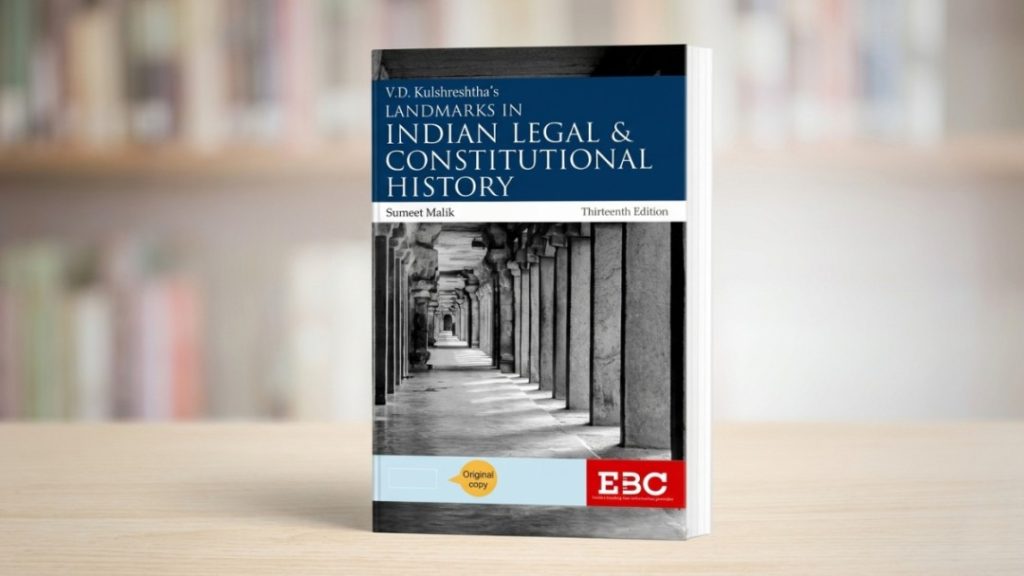
For further reading and detailed analysis, refer to this resource.