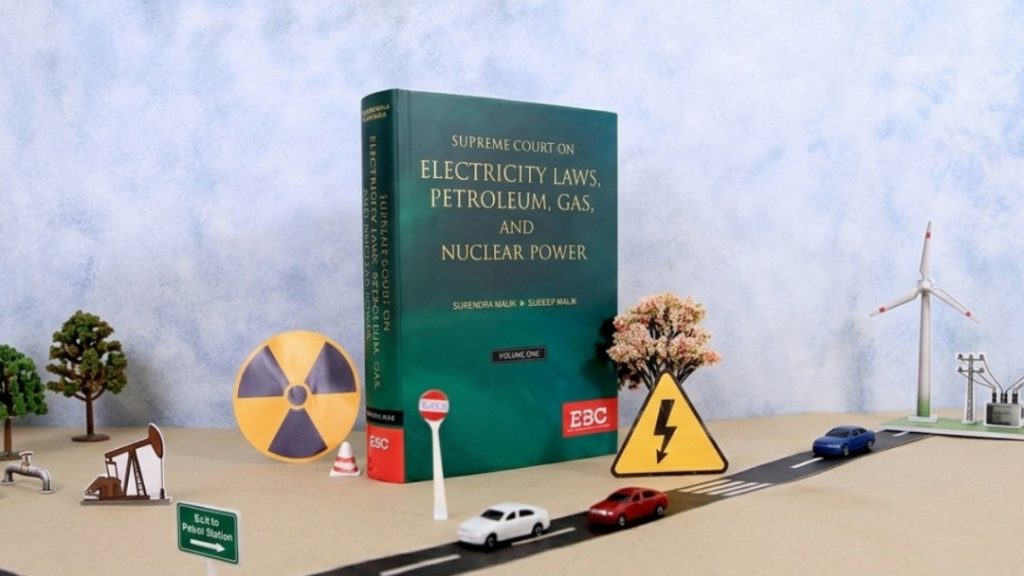
Electricity is an essential part of modern life, powering homes, businesses, industries, and public infrastructure. However, electricity theft remains a major challenge in India, causing huge financial losses to power distribution companies and affecting honest consumers through increased tariffs and power shortages. To tackle this issue, the Government of India introduced strict provisions under the Electricity Act, 2003.
This article explains what electricity theft is, the legal consequences under the Electricity Act, 2003, penalties involved, and the rights and responsibilities of consumers in simple and easy-to-understand language.
What is Electricity Theft?
Electricity theft refers to the illegal consumption, use, or diversion of electricity without authorization from the electricity supplier or distribution company.
Under Section 135 of the Electricity Act, 2003, electricity theft includes:
- Illegal tapping of electricity lines
- Tampering with electricity meters
- Using electricity through unauthorized connections
- Manipulating meters to reduce billing
- Using electricity for purposes other than authorized use
Electricity theft is considered a criminal offence in India.
Common Methods of Electricity Theft
Some common forms of electricity theft include:
1. Direct Hooking
This involves illegally connecting wires directly to overhead power lines to consume electricity without a meter.
2. Meter Tampering
Consumers may alter or damage electricity meters to show lower consumption.
3. Bypassing the Meter
Electricity is diverted around the meter so that usage is not recorded.
4. Unauthorized Usage
Using electricity for commercial or industrial purposes while paying domestic tariffs is also treated as unauthorized use.
Legal Framework Under the Electricity Act, 2003
he Electricity Act, 2003 is the primary law governing electricity generation, transmission, distribution, and consumption in India.
The law contains specific provisions to deal with electricity theft and unauthorized use of electricity.
Section 135 – Theft of Electricity
Section 135 specifically criminalizes electricity theft and prescribes penalties and imprisonment.
According to this provision, a person commits theft if they dishonestly:
- Tap electricity lines illegally
- Tamper with meters or equipment
- Use electricity through unauthorized means
- Consume electricity for unauthorized purposes
Section 126 – Unauthorized Use of Electricity
Section 126 deals with unauthorized use rather than theft. This may include:
- Excess load usage
- Using electricity for a different category than approved
- Violating connection terms
The authorities can assess additional charges and penalties for such misuse.
Punishment for Electricity Theft
The Electricity Act imposes strict punishments depending on the severity of the offence.
Monetary Penalties
The offender may be required to pay:
- Penalty charges
- Assessment charges
- Outstanding electricity dues
The amount may vary based on:
- Connected load
- Duration of theft
- Nature of usage
Imprisonment
In serious cases, imprisonment may extend up to:
- 3 years for electricity theft offences
Repeat offenders may face harsher punishments.
Disconnection of Electricity Supply
The electricity distribution company has the power to immediately disconnect supply upon detection of theft.
Seizure of Equipment
Authorities may seize:
- Tampered meters
- Illegal wiring
- Devices used for theft
Role of Special Courts
The Electricity Act provides for Special Courts to ensure speedy trial of electricity theft cases.
These courts handle:
- Criminal prosecution
- Recovery of civil liabilities
- Penalty assessments
Special Courts help in faster disposal of cases related to electricity offences.
Impact of Electricity Theft
Electricity theft is not just a legal issue; it also has economic and social consequences.
Financial Losses
Power distribution companies suffer massive revenue losses every year due to theft.
Higher Electricity Bills
Losses are often passed on to honest consumers through increased tariffs.
Power Shortages
Illegal consumption affects the stability of electricity supply systems.
Safety Risks
Illegal connections and tampered wiring can lead to:
- Electrical fires
- Electrocution
- Infrastructure damage
Preventive Measures Taken in India
To curb electricity theft, authorities are adopting various technological and legal measures.
Smart Meters
Smart meters help detect abnormal consumption patterns and tampering.
Vigilance Raids
Electricity departments conduct inspections and anti-theft drives.
Digital Monitoring
Advanced monitoring systems are being used to track electricity usage in real time.
Public Awareness
Awareness campaigns encourage consumers to report illegal connections and misuse.
Rights of Consumers
Consumers also have certain rights under the law.
If accused of unauthorized use or theft, a consumer has the right to:
- Receive a proper assessment notice
- File objections
- Appeal against assessment orders
- Seek legal remedies before appropriate authorities
Consumers should always verify electricity bills and maintain proper records of connections and payments.
For further reading and detailed analysis, refer to this resource.