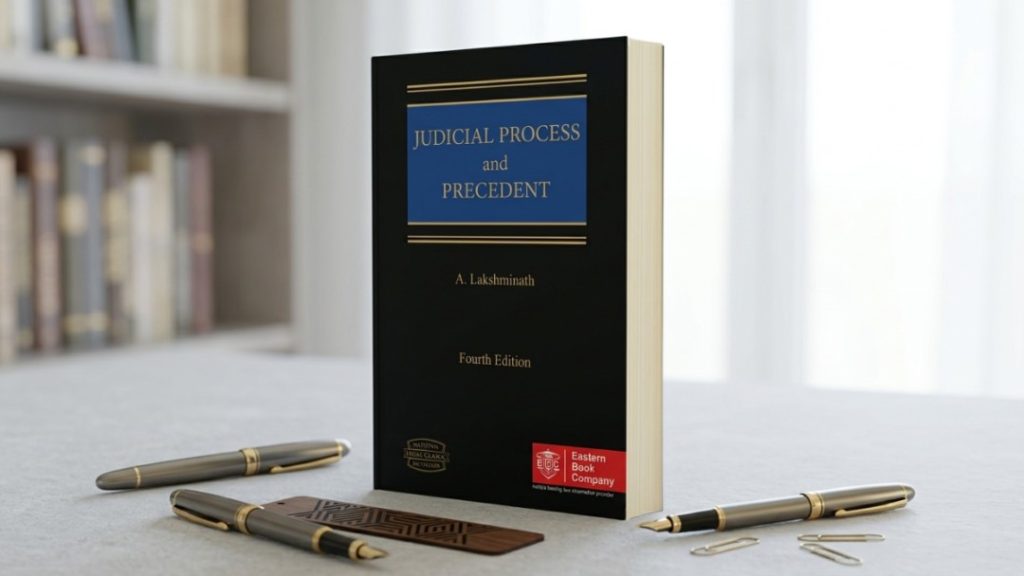
he Basic Structure Doctrine is one of the most significant principles in Indian constitutional law. It acts as a safeguard against arbitrary constitutional amendments and ensures that the core values of the Constitution remain intact. Over the years, this doctrine has shaped the relationship between Parliament and the judiciary, influencing some of India’s most important constitutional decisions.
But what exactly is the Basic Structure Doctrine? How did it evolve? And why does it continue to spark debate even today? Let’s explore.
What Is the Basic Structure Doctrine?
The Basic Structure Doctrine is a judicial principle developed by the Supreme Court of India. According to this doctrine, while Parliament has the power to amend the Constitution under Article 368, it cannot alter or destroy its “basic structure” or essential features.
In simple terms, Parliament can change many provisions of the Constitution, but it cannot change its fundamental identity.
The doctrine was created to maintain a balance between:
- The power of Parliament to amend the Constitution, and
- The duty of the judiciary to protect constitutional values.
Why Was the Doctrine Needed?
As society changes, laws and constitutional provisions often need to be updated. The Constitution itself provides a mechanism for amendments so that it can respond to new social, economic, and political challenges.
However, an important concern emerged: if there are no limits on amendment powers, could the Constitution’s most important values be removed or weakened?
The Basic Structure Doctrine developed as a response to this concern. It ensures that constitutional amendments serve the purpose of progress and reform without undermining the principles on which the Constitution is built.
Evolution of the Basic Structure Doctrine
The doctrine evolved through judicial interpretation over time. It emerged from the understanding that the Constitution is not merely a legal document but a framework that reflects the aspirations, rights, and democratic values of the nation.
The idea behind the doctrine is that while amendments are necessary for constitutional growth, some foundational principles must remain beyond the reach of drastic changes. As constitutional debates continued over the years, the doctrine gradually became an accepted part of Indian constitutional law.
Today, it serves as a guiding principle in determining whether constitutional changes are consistent with the Constitution’s fundamental identity.
Key Elements of the Basic Structure Doctrine
Although there is no fixed or exhaustive list of features that form the basic structure, several principles are widely recognized as part of it.
Supremacy of the Constitution
The Constitution is the highest law of the land. All institutions and authorities must function within the framework established by it.
Rule of Law
The rule of law ensures that everyone, including government authorities, is subject to the law. It prevents arbitrary exercise of power and promotes fairness and accountability.
Democracy
India’s democratic system is considered a fundamental constitutional value. The people have the right to choose their representatives through a democratic process.
Judicial Review
Judicial review allows courts to examine laws and government actions to ensure they comply with constitutional principles.
Independence of the Judiciary
An independent judiciary is essential for delivering impartial justice and protecting constitutional values without external influence.
Federalism
India follows a federal structure in which powers are distributed between the Union and the States. This balance is an important constitutional feature.
Secularism
The Constitution promotes equal treatment of all religions and ensures that the State does not favor any particular faith.
Protection of Fundamental Rights
Fundamental Rights safeguard individual liberty, equality, and dignity. Their protection remains central to constitutional governance.
Importance of the Basic Structure Doctrine
The Basic Structure Doctrine plays a crucial role in preserving the constitutional framework of India.
Protects Democratic Values
The doctrine ensures that essential democratic principles remain protected, regardless of changing political circumstances.
Prevents Concentration of Power
By placing limits on constitutional amendments, it prevents excessive concentration of power in any single institution.
Preserves Constitutional Identity
The doctrine helps maintain the original spirit and vision of the Constitution while allowing necessary reforms.
Strengthens Constitutional Governance
It acts as a safeguard against changes that may undermine constitutional principles and institutional balance.
Ensures Long-Term Stability
Constitutions must evolve, but they also require stability. The Basic Structure Doctrine helps achieve both objectives simultaneously.
Contemporary Challenges and Debates
Despite its importance, the Basic Structure Doctrine continues to generate discussion among legal scholars, policymakers, and constitutional experts.
Defining the Basic Structure
One of the major challenges is that there is no exhaustive list of what constitutes the basic structure. This can sometimes lead to differing interpretations.
Balancing Reform and Protection
A modern Constitution must adapt to changing circumstances. The challenge lies in ensuring that necessary reforms do not weaken constitutional foundations.
Questions of Judicial Authority
Some critics argue that the doctrine gives significant interpretative power to the judiciary. Others believe that such oversight is necessary to protect constitutional values.
Emerging Constitutional Issues
New challenges such as digital governance, privacy rights, artificial intelligence, electoral reforms, and evolving federal relations may influence future discussions surrounding the doctrine.
Frequently Asked Questions (FAQs)
The Basic Structure Doctrine is a constitutional principle that prevents amendments from altering or destroying the fundamental features of the Indian Constitution.
It protects the core values of the Constitution and ensures that constitutional amendments do not undermine democracy, constitutional governance, or individual rights.
No. The doctrine allows amendments but places limits on changes that would damage the Constitution’s essential identity.
Commonly recognized principles include constitutional supremacy, democracy, judicial review, federalism, secularism, rule of law, and independence of the judiciary.
No. There is no fixed or exhaustive list. The understanding of the basic structure has evolved through constitutional interpretation over time.
Want to dive deeper? Check out this resource for more insights.