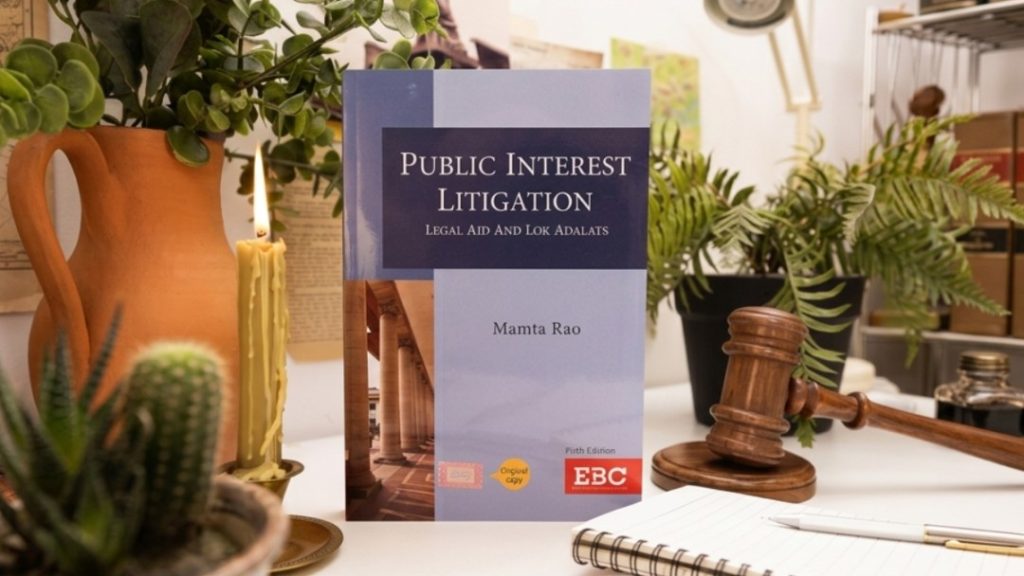
India’s courts handle millions of pending cases every year, which often leads to delays in justice. To make dispute resolution faster, affordable, and more accessible, India introduced an alternative mechanism called Lok Adalat.
Lok Adalat, often referred to as the People’s Court, helps parties settle disputes through compromise and mutual agreement without going through lengthy court procedures.
This article explains the meaning of Lok Adalat, its benefits, types, legal framework, and procedure in simple language.
What is Lok Adalat?
The term Lok Adalat means “People’s Court.”
It is a forum where disputes pending in courts or disputes at the pre-litigation stage are settled amicably through conciliation and compromise.
Lok Adalats are organized under the Legal Services Authorities Act, 1987, which provides free and speedy justice to people.
They are conducted by:
- National Legal Services Authority (NALSA)
- State Legal Services Authorities
- District Legal Services Authorities
- Taluk Legal Services Committees
Lok Adalat plays an important role in promoting alternative dispute resolution (ADR) in India.
Legal Basis of Lok Adalat in India
Lok Adalats are governed by the Legal Services Authorities Act, 1987.
The Act officially gave statutory recognition to Lok Adalats and aimed to ensure:
- Equal justice
- Free legal aid
- Faster disposal of disputes
- Reduced burden on courts
Articles 39A of the Indian Constitution also promotes free legal aid and equal access to justice.
Types of Lok Adalat
1. National Lok Adalat
Held across the country on a single day to resolve a large number of cases.
These usually deal with:
- Bank recovery matters
- Traffic challans
- Matrimonial disputes
- Labour disputes
- Electricity bill disputes
2. Permanent Lok Adalat
Established under the Legal Services Authorities Act for disputes related to public utility services, such as:
- Transport services
- Postal services
- Telephone services
- Electricity services
- Water supply services
Permanent Lok Adalat can decide disputes if settlement fails.
3. Mobile Lok Adalat
These move from one place to another to help people in rural and remote areas access justice.
Cases That Can Be Settled in Lok Adalat
Lok Adalat handles cases where compromise is possible.
Examples include:
- Family disputes
- Property disputes
- Motor accident claims
- Cheque bounce cases
- Labour disputes
- Bank loan recovery matters
- Public utility disputes
Cases That Cannot Be Settled in Lok Adalat
Lok Adalat cannot handle:
- Serious criminal offences
- Non-compoundable offences
- Cases involving major legal disputes where compromise is not possible
Procedure of Lok Adalat
The procedure is simple and informal.
Step 1: Filing of Application
A party can apply for settlement through Lok Adalat.
Cases can be referred from courts or brought before Lok Adalat directly.
Step 2: Consent of Both Parties
Both parties must agree to settle the dispute.
Step 3: Conciliation Process
The panel helps parties negotiate and reach a mutually acceptable settlement.
Step 4: Final Award
Once settlement is reached, Lok Adalat passes an award.
This award is final and binding on both parties.
Is Lok Adalat Award Binding?
Yes.
The award passed by Lok Adalat:
- Is treated as a decree of a civil court
- Is final
- Cannot usually be appealed
However, parties may approach appropriate courts in limited situations if no settlement occurs.
Benefits of Lok Adalat
Faster Resolution
Cases are settled quickly.
Cost Effective
No court fees are charged.
If court fees were already paid, they are refunded.
Informal Process
The procedure is simple and less technical.
Reduces Court Burden
Helps reduce case backlog.
Promotes Amicable Settlement
Encourages peaceful dispute resolution.
Importance of Lok Adalat in India
Lok Adalat strengthens access to justice, especially for people who cannot afford lengthy litigation.
It supports:
- Legal aid
- Alternative dispute resolution
- Affordable justice
- Faster justice delivery
It has become an important tool in India’s justice system.
Frequently Asked Questions (FAQs)
1. What does Lok Adalat mean?
Lok Adalat means People’s Court.
2. Which law governs Lok Adalat?
The Legal Services Authorities Act, 1987.
3. Is Lok Adalat free?
Yes, no court fee is charged.
4. Can criminal cases go to Lok Adalat?
Only compoundable criminal cases may be settled.
5. Is the Lok Adalat award final?
Yes, it is generally final and binding on both parties.
Want to dive deeper? Check out this resource for more insights.