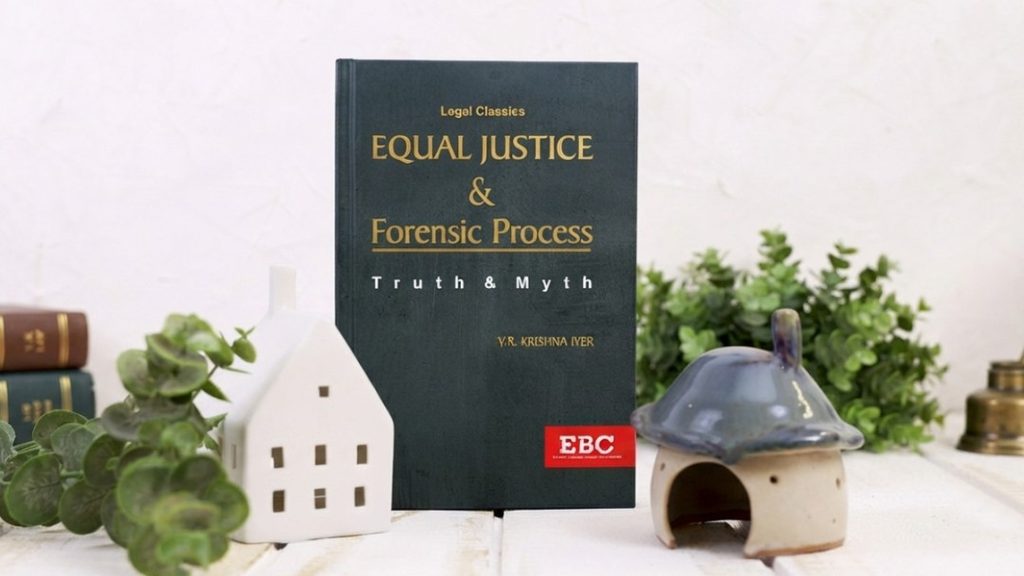
The role of Indian judiciary in protecting rights is one of the most searched legal topics in India today, and for good reason. Courts are often the last resort for citizens who feel that their fundamental rights have been ignored or violated by the state or by powerful private parties. Social justice, the idea that every citizen deserves fair treatment regardless of caste, gender, religion, or economic status, is written into the Indian Constitution itself, and the judiciary is the institution tasked with turning that promise into enforceable reality.
Constitutional Background
The Preamble to the Constitution of India promises justice, social, economic, and political, to every citizen. This is not just symbolic language. It shapes how courts interpret laws.
Two parts of the Constitution matter most here:
- Part III (Articles 12 to 35): These are the Fundamental Rights, including Article 14 (equality before law), Article 15 (prohibition of discrimination), Article 19 (freedom of speech and other freedoms), and Article 21 (protection of life and personal liberty). Article 21 has been read broadly by courts to include the right to a clean environment, education, and livelihood.
- Part IV (Articles 36 to 51): These are the Directive Principles of State Policy. Article 39A specifically directs the state to ensure equal justice and free legal aid so that no citizen is denied justice due to economic or other disadvantage.
Key Legal Provisions Enabling Judicial Protection
Several statutes and constitutional articles work together to let courts act as guardians of social justice.
- Article 32: Gives citizens the right to move the Supreme Court directly when a fundamental right is violated. Dr. B.R. Ambedkar called it the heart of the Constitution.
- Article 226: Gives High Courts the power to issue writs, not only for fundamental rights but for any legal right.
- Article 141: States that law declared by the Supreme Court binds all courts in India.
- Legal Services Authorities Act, 1987: Set up the National and State Legal Services Authorities (NALSA and SLSAs) to provide free legal aid to weaker sections, including women, children, SC/ST communities, and persons with disabilities.
- Protection of Civil Rights Act, 1955: Penalises practices connected with untouchability.
- Scheduled Castes and Scheduled Tribes (Prevention of Atrocities) Act, 1989: Provides special courts and stricter penalties for atrocities against SC/ST communities.
- Right of Children to Free and Compulsory Education Act, 2009: Makes education a justiciable right for children aged six to fourteen.
- Consumer Protection Act, 2019: Replaced the 1986 law and created a faster grievance system, including e-filing of complaints.
How Courts Enforce These Rights: Writs
When a right is violated, courts can issue five types of writs.
Writ | Meaning in plain terms | When it is used |
|---|---|---|
| Habeas Corpus | “Produce the body” | To free a person illegally detained |
| Mandamus | “We command” | To order a public official to perform a legal duty |
| Certiorari | “To be certified” | To quash an order passed without jurisdiction |
| Prohibition | Stop order | To prevent a lower court from exceeding its authority |
| Quo Warranto | “By what authority” | To question a person’s right to hold public office |
Procedure, Exceptions, and Remedies
A citizen seeking judicial protection generally follows these steps: identify the right violated, choose the appropriate court and writ, file the petition (often through NALSA if legal aid is needed), and attend hearings before a final order or remedy is granted. Remedies can include compensation, reinstatement, policy directions to the government, or quashing of illegal orders.
There are limits. Courts generally expect alternative remedies to be exhausted first, and delay in approaching the court can weaken a petition. Contempt of Court Act, 1971 empowers courts to punish wilful disobedience of their orders, ensuring that judicial protection of rights is not merely symbolic.
Frequently Asked Questions
It refers to fair treatment and equal opportunity for all citizens, as promised in the Preamble and reinforced through Fundamental Rights and Directive Principles.
Yes, any public spirited person can file a PIL on behalf of those unable to approach the court themselves, subject to the court’s discretion.
Yes, under the Legal Services Authorities Act, 1987, eligible citizens, including those below a set income threshold, women, children, and SC/ST community members, can get free legal representation.
Article 32 allows only Supreme Court petitions for fundamental rights. Article 226 allows High Court petitions for fundamental rights and other legal rights, giving it a wider scope.
They may face proceedings under the Contempt of Court Act, 1971, which can include fines or imprisonment.
Want the deeper dive? Grab the reference book.