


The Indian beauty and personal care industry has grown rapidly in recent years. From skincare serums and herbal creams to anti-aging products and hair growth solutions, cosmetic brands constantly compete for consumer attention through aggressive advertising.
However, not every claim made in cosmetic advertisements is legally allowed.
In India, cosmetic advertising is regulated to prevent misleading claims, false promises, and unfair marketing practices. Brands that make exaggerated or deceptive claims may face legal action, regulatory scrutiny, penalties, and reputational damage.
This article explains which cosmetic advertising claims are prohibited in India, the laws governing cosmetic advertisements, and the compliance requirements brands should follow.
What Is Cosmetic Advertising?
Cosmetic advertising refers to promotional content used to market beauty and personal care products such as:
- skincare products,
- makeup,
- shampoos,
- perfumes,
- lotions,
- anti-aging creams,
- sunscreens,
- hair care products,
- and similar cosmetic items.
Advertising may appear through:
- television,
- social media,
- influencers,
- websites,
- e-commerce platforms,
- print media,
- or product packaging.
Laws Governing Cosmetic Advertising in India
Cosmetic advertising in India is regulated under multiple laws and guidelines.
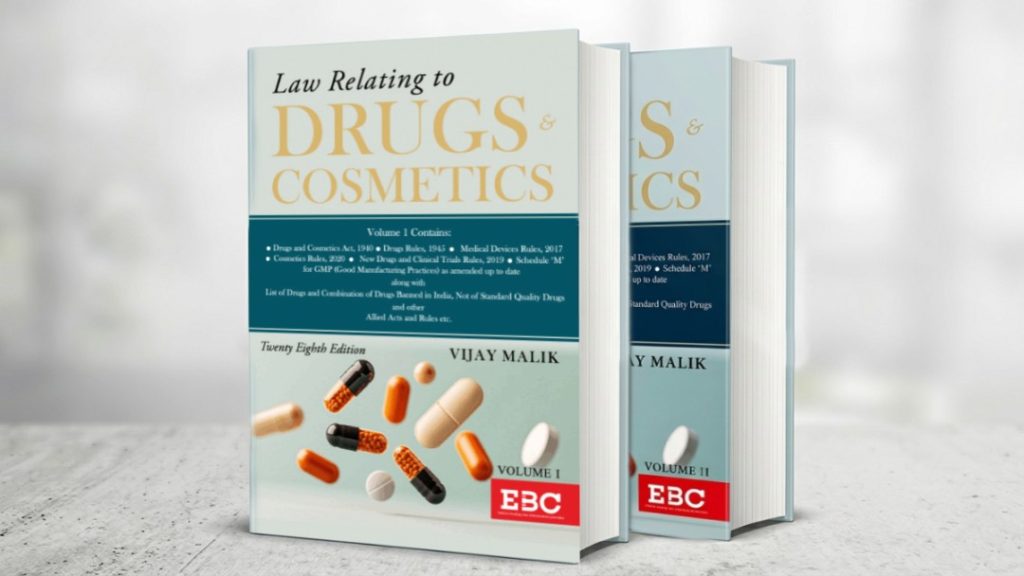
1. Drugs and Cosmetics Act, 1940 and Cosmetics Rules, 2020
These laws regulate:
- manufacture,
- labeling,
- import,
- safety,
- and quality standards for cosmetics.
Misbranding and false claims may attract regulatory action.
2. Consumer Protection Act, 2019
The law prohibits:
- misleading advertisements,
- false representations,
- unfair trade practices,
- deceptive marketing.
Authorities may impose penalties for false cosmetic claims.
3. ASCI Guidelines
The Advertising Standards Council of India (ASCI) issues guidelines to ensure advertisements are:
- honest,
- truthful,
- and not misleading.
ASCI frequently reviews beauty and cosmetic advertisements.
4. Drugs and Magic Remedies (Objectionable Advertisements) Act, 1954
This law prohibits advertisements claiming miraculous cures for certain diseases and conditions.
Cosmetic products cannot falsely present themselves as medical cures.
Misleading Cosmetic Claims That May Be Illegal
1. “Guaranteed Fairness” or Skin Whitening Claims
Advertisements claiming:
- “instant fairness,”
- “permanent whitening,”
- “100% skin lightening,”
may be considered misleading or socially irresponsible.
Regulators and ASCI have repeatedly taken action against discriminatory and exaggerated fairness claims.
2. False Anti-Aging Claims
Brands cannot scientifically mislead consumers by promising:
- “reverse aging,”
- “remove wrinkles permanently,”
- “look 20 years younger instantly.”
Unless supported by credible scientific evidence, such claims may violate advertising laws.
3. Medical Cure Claims
Cosmetics cannot claim to:
- cure acne permanently,
- treat eczema,
- eliminate skin diseases,
- cure hair loss medically.
Once a product claims to treat or cure medical conditions, it may legally fall under drug regulations rather than cosmetic regulations.
This can create serious compliance issues.
Difference Between Cosmetic and Drug Claims
A cosmetic product is generally intended for:
- cleansing,
- beautifying,
- improving appearance,
- or enhancing attractiveness.
A drug is intended for:
- diagnosis,
- treatment,
- prevention,
- or cure of diseases.
For example:
| Cosmetic Claim | Drug Claim |
|---|---|
| “Improves skin glow” | “Treats pigmentation disorder” |
| “Helps moisturize skin” | “Cures eczema” |
| “Reduces appearance of wrinkles” | “Reverses aging medically” |
This distinction is extremely important for cosmetic brands.
4. “Clinically Proven” Without Evidence
Brands often use terms such as:
- “dermatologically tested,”
- “clinically proven,”
- “scientifically tested.”
These claims should be backed by reliable evidence and testing data.
False scientific representation may amount to misleading advertising.
5. Unrealistic Hair Growth Claims
Claims like:
- “grow hair in 7 days,”
- “permanent baldness cure,”
- “guaranteed hair regrowth,”
may invite regulatory scrutiny if unsupported scientifically.
Hair-related claims are frequently monitored due to consumer complaints.
6. Influencer and Celebrity Misleading Promotions
Influencers and celebrities endorsing cosmetic products may also face accountability for misleading advertisements under consumer protection laws.
Paid promotions should:
- disclose sponsorships,
- avoid false claims,
- and comply with advertising standards.
Role of ASCI in Cosmetic Advertising
The Advertising Standards Council of India regularly reviews:
- skincare advertisements,
- fairness product promotions,
- influencer campaigns,
- exaggerated beauty claims.
Consumers may also file complaints regarding misleading cosmetic advertisements.
Best Compliance Practices for Cosmetic Brands
To avoid legal risk, cosmetic brands should:
Maintain Scientific Support
Keep testing reports and evidence for advertising claims.
Avoid Medical Language
Do not market cosmetics as medicines unless properly approved.
Use Clear and Honest Advertising
Advertisements should not exaggerate product performance.
Review Influencer Campaigns
Ensure influencers follow disclosure and advertising rules.
Conduct Legal Review Before Launch
Advertising content should be reviewed for regulatory compliance.
FAQs on Cosmetic Advertising Claims in India
1. Can cosmetic products claim to cure skin diseases?
No. Cosmetic products generally cannot claim to cure or treat diseases. Such claims may bring the product under drug regulations.
2. Are fairness cream advertisements legal in India?
Fairness advertisements are not completely banned, but misleading, discriminatory, or exaggerated claims may attract regulatory action.
3. What happens if a cosmetic advertisement is misleading?
Authorities may order the removal of the advertisement, impose penalties, or initiate legal proceedings.
4. Is “clinically proven” allowed in cosmetic advertising?
Yes, but only if the claim is supported by reliable scientific evidence.
5. Can influencers be liable for misleading cosmetic promotions?
Yes. Influencers endorsing false or misleading claims may face accountability under consumer protection laws.
6. Which authority regulates cosmetic advertisements in India?
Cosmetic advertisements are monitored through laws such as the Consumer Protection Act, Cosmetics Rules, and ASCI guidelines.
Learn more about this topic through this detailed guide.


Pharma Advertising Laws in India: What Drug Manufacturers Can and Cannot Claim - Blog - EBC Webstore
[…] The Drugs and Magic Remedies (Objectionable Advertisements) Act, 1954 (DMR […]