


Understanding the powers of a Magistrate is essential for anyone trying to grasp how criminal justice works in India. Whether you’re a law student, a competitive exam aspirant, or just curious, this guide breaks everything down in simple, clear language.
What is a Magistrate?
A Magistrate is a judicial officer who handles criminal cases at the initial stages. They play a crucial role in ensuring that justice begins correctly, from taking complaints to conducting trials in certain cases.
In India, Magistrates derive their powers mainly from the Criminal Procedure Code, 1973 (CrPC).
Types of Magistrates in India
Before understanding powers, it’s important to know the types:
1. Judicial Magistrate
- Handles criminal trials
- Works under the High Court
2. Executive Magistrate
- Maintains law and order
- Deals with preventive actions (like Section 144)
Key Powers of a Magistrate in Criminal Proceedings
Let’s break down the major powers in a way that’s easy to understand:
1. Power to Take Cognizance (Start a Case)
A Magistrate can take notice of a crime:
- Based on a complaint
- Police report (FIR)
- Information from any person
This is where a criminal case officially begins in court.
2. Power to Issue Warrants and Summons
Magistrates can:
- Call a person to court (summons)
- Order arrest (warrant)
This ensures that the accused appears before the court.
3. Power to Order Investigation
If needed, a Magistrate can:
- Direct police to investigate
- Ask for further inquiry
This helps in gathering proper evidence before trial.
4. Power to Grant Bail
Magistrates can grant bail in:
- Bailable offences (as a right)
- Some non-bailable offences (based on discretion)
Bail ensures personal liberty while the case continues.
5. Power to Conduct Trials
Magistrates can:
- Hear evidence
- Examine witnesses
- Deliver judgments
They usually handle less serious criminal cases.
6. Power to Pass Sentences
A Magistrate can punish the accused, but within limits:
- Imprisonment (limited duration)
- Fine
- Both
Serious punishments are handled by higher courts.
7. Preventive Powers
Magistrates also act before crimes happen:
- Maintain peace
- Issue orders in urgent situations (like curfews)
These powers are crucial for public safety.
Why Are Magistrates Important?
Magistrates are the first point of contact in the criminal justice system. They:
- Protect rights of the accused
- Ensure fair procedure
- Prevent misuse of power by police
Without Magistrates, the system would lack balance and accountability.
Frequently Asked Questions (FAQs)
1. What does “taking cognizance” mean?
It means the Magistrate recognizes that an offence has occurred and decides to proceed with the case.
2. Can a Magistrate reject a police report?
Yes, a Magistrate can:
- Accept it
- Reject it
- Order further investigation
3. Can a Magistrate grant bail in serious offences?
In some non-bailable offences, yes—but it depends on:
- Nature of the crime
- Evidence
- Risk factors
4. What is the difference between a Magistrate and a Judge?
- Magistrates handle less serious cases
- Judges handle serious criminal and civil cases
5. Can a Magistrate punish someone?
Yes, but only within limits set by law. Severe punishments require higher courts.
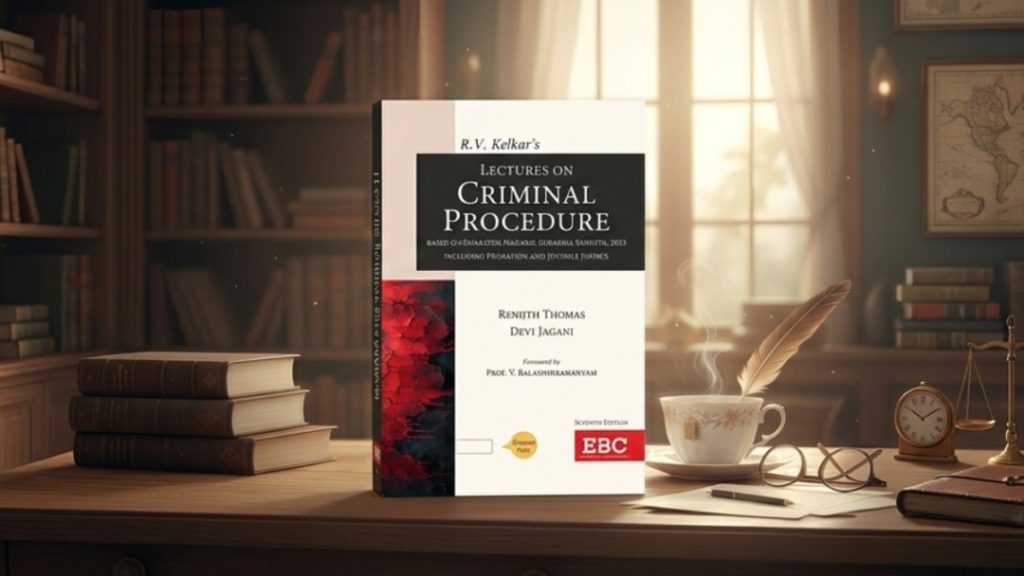
For a deeper understanding, you can refer to this resource.

R.V. Kelkar's Lectures on Criminal Procedure: Book Review
[…] timing. Indian criminal procedure has entered a new legislative phase with the replacement of the Code of Criminal Procedure, 1973 by the BNSS. For students and teachers accustomed to the Cr.P.C. framework, the transition requires […]