Competitive examinations in India are more than just tests; they determine admissions, government jobs, scholarships, and professional careers for millions of students. But in recent years, incidents involving paper leaks, organized cheating rackets, impersonation, and digital fraud have raised serious concerns about the integrity of public examinations.
From NEET controversies to recruitment exam leaks, examination malpractice has become a major legal and governance issue in India. To address this growing threat, the government has introduced stricter criminal laws and regulatory mechanisms, including the Public Examinations (Prevention of Unfair Means) Act, 2024.
This article explains the legal framework governing examination malpractice in India, the penalties involved, cybercrime aspects, and the rights of students affected by exam irregularities.
What Is Examination Malpractice?
Examination malpractice refers to any unfair, illegal, or dishonest activity intended to gain an advantage in an examination process.
It may include:
- Paper leaks
- Cheating using electronic devices
- Impersonation
- Forged documents
- Hacking examination systems
- Manipulation of answer sheets
- Organized coaching or solver gangs
- Digital fraud during online examinations
Such acts affect the credibility of educational institutions, public recruitment systems, and merit-based selection processes.
Common Types of Examination Fraud in India
1. Paper Leaks
Question papers are illegally accessed and circulated before the examination. This may happen through:
- insiders,
- printing press leaks,
- digital breaches,
- messaging apps,
- or organized criminal networks.
Paper leaks can result in:
- cancellation of exams,
- financial losses,
- litigation,
- and loss of public trust.
2. Digital Cheating and Online Fraud
With the rise of online examinations, cyber-enabled fraud has increased significantly.
Examples include:
- remote access software,
- Bluetooth devices,
- hidden cameras,
- screen-sharing applications,
- AI-assisted cheating,
- hacking examination portals.
Cyber fraud in examinations often attracts liability under both criminal law and information technology laws.
3. Impersonation in Examinations
In some cases, another person appears for the exam on behalf of the candidate using fake identification documents or biometric manipulation.
This may amount to:
- cheating,
- forgery,
- identity theft,
- criminal conspiracy.
4. Organized Solver Gangs and Coaching Mafias
Many examination scams involve organized criminal groups that:
- arrange fake candidates,
- leak papers,
- manipulate systems,
- or provide unfair access to exam materials.
These networks are increasingly being investigated as organized criminal conspiracies.
Legal Framework Governing Examination Malpractice in India
1. Public Examinations (Prevention of Unfair Means) Act, 2024
The Government of India introduced the Public Examinations (Prevention of Unfair Means) Act, 2024 to specifically deal with examination fraud and paper leaks in public examinations.
The law applies to examinations conducted by authorities such as:
- UPSC,
- SSC,
- NTA,
- Railway Recruitment Boards,
- Banking recruitment agencies,
- and other notified bodies.
Key Objectives of the Act
The Act aims to:
- prevent unfair practices,
- protect the integrity of public examinations,
- punish organized exam fraud,
- and ensure transparent recruitment and admission systems.
Offences Covered Under the Act
The law criminalizes activities such as:
- leaking question papers,
- unauthorized access to question papers,
- assisting candidates unfairly,
- tampering with answer sheets,
- creating fake websites,
- conducting fake examinations,
- digital hacking of exam systems,
- and organized cheating networks.
Punishment Under the Act
For serious offences, the Act provides:
- imprisonment,
- monetary fines,
- attachment of property,
- and prosecution for organized criminal activities.
Offences under the Act are generally treated as:
- cognizable,
- non-bailable,
- and non-compoundable in serious cases.
The law also allows action against:
- service providers,
- institutions,
- organized solver gangs,
- and individuals involved in large-scale examination fraud.
2. Bharatiya Nyaya Sanhita, 2023 (BNS)
In addition to the Public Examinations Act, examination fraud may also attract liability under the Bharatiya Nyaya Sanhita, 2023 for offences such as:
- cheating,
- forgery,
- criminal conspiracy,
- impersonation,
- fraud,
- and destruction of evidence.
This becomes relevant where:
- fake identity documents are used,
- organized criminal networks are involved,
- or financial fraud occurs.
3. Information Technology Act, 2000
Where digital systems are hacked or online examination platforms are compromised, provisions of the Information Technology Act, 2000 may also apply.
Cyber offences may include:
- unauthorised access to computer systems,
- identity theft,
- data theft,
- hacking,
- phishing,
- and electronic fraud.
Electronic evidence such as:
- emails,
- WhatsApp chats,
- IP logs,
- server records,
- and digital communications
may be used during the investigation.
4. Institutional and Examination Rules
Apart from criminal laws, examination authorities may impose administrative penalties such as:
- cancellation of candidature,
- debarment from future examinations,
- withholding of results,
- disciplinary proceedings,
- and blacklisting.
These actions are usually governed by:
- examination guidelines,
- recruitment rules,
- institutional regulations,
- and public examination notifications.
Role of Cyber Laws in Examination Fraud
Digital examination fraud is also governed by:
- the Information Technology Act,
- cybercrime regulations,
- and electronic evidence laws.
Cyber offences may include:
- hacking,
- unauthorized system access,
- identity theft,
- data theft,
- phishing,
- and digital impersonation.
Electronic records such as:
- WhatsApp chats,
- emails,
- IP logs,
- screenshots,
- server data,
may be used as evidence during investigation and prosecution.
Rights of Students During Examination Disputes
Students affected by examination irregularities have certain legal rights.
They may:
- challenge arbitrary decisions,
- seek re-evaluation,
- approach High Courts,
- file writ petitions,
- seek transparency in examination processes.
Courts generally examine:
- fairness,
- procedural compliance,
- natural justice,
- and public interest.
Examination Malpractice and the Role of Technology
Technology has created both opportunities and risks.
While digital examinations improve efficiency, they also increase vulnerabilities such as:
- cyberattacks,
- remote cheating,
- AI-enabled malpractice,
- and data manipulation.
Examination authorities are increasingly adopting:
- biometric verification,
- AI-based proctoring,
- encrypted question paper systems,
- and cybersecurity protocols.
FAQs on Examination Malpractice Laws in India
1. What is examination malpractice?
Examination malpractice refers to any unfair or illegal activity intended to gain an improper advantage during an examination.
2. What is the new law on paper leaks in India?
The Public Examinations (Prevention of Unfair Means) Act, 2024 addresses paper leaks, organized cheating, and examination fraud in public examinations.
3. Can students go to jail for cheating in exams?
In serious cases involving organized fraud, impersonation, or criminal conspiracy, legal action and prosecution may occur.
4. Which exams are covered under the Public Examinations Act?
The law applies to notified public examinations conducted by bodies such as NTA, UPSC, SSC, Railway Recruitment Boards, and others.
5. Is online cheating a cybercrime?
Yes. Online examination fraud involving hacking, identity theft, or unauthorised digital access may attract liability under cyber laws and criminal law.
6. Can examination results be challenged in court?
Yes. Students may approach courts if there is arbitrariness, procedural unfairness, or a violation of legal rights.
7. What role does technology play in preventing exam fraud?
Authorities now use biometric verification, encrypted systems, AI-based monitoring, and cybersecurity measures to reduce malpractice risks.
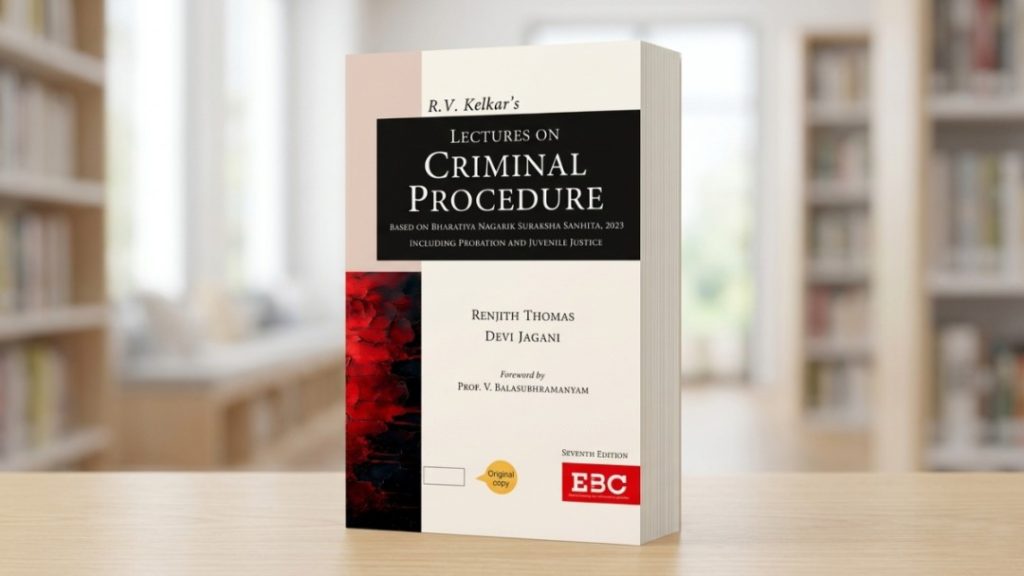
For further reading and detailed analysis, refer to this resource.