When businesses share ideas, data, or plans, they need a way to keep that information private. That’s where an NDA comes in.
What Is an NDA?
An NDA (Non-Disclosure Agreement) is a legal contract where one or both parties agree not to share confidential information with others.
In simple terms:
“I promise not to reveal your private information.”
Why NDAs Are Important
NDAs help:
- Protect business ideas and trade secrets
- Keep client and company data confidential
- Prevent misuse or leakage of sensitive information
- Build trust during business discussions
Where Are NDAs Used?
NDAs are commonly used in:
1. Business Deals
Before sharing plans, companies sign NDAs to protect their information.
2. Employment
Employees may sign NDAs to keep company data confidential.
3. Startups & Investors
Startups share ideas with investors under NDAs to avoid copying.
4. Partnerships & Collaborations
Used when two parties work together and share sensitive data.
Types of NDAs
1. One-Way NDA
Only one party shares confidential information.
2. Mutual NDA
Both parties share and protect each other’s information.
Key Clauses in an NDA
A good NDA includes:
1. Definition of Confidential Information
Clearly states what information is protected.
2. Obligations of the Receiving Party
Explains what the person must do (e.g., not share or misuse information).
3. Duration
Specifies how long the confidentiality must be maintained.
4. Exclusions
Information that is not covered (e.g., already public information).
5. Consequences of Breach
What happens if someone breaks the agreement (penalties, legal action).
NDA vs Regular Contract
- NDA → Focuses on confidentiality
- Contract → Covers overall terms of a deal
An NDA can also be part of a larger contract.
Frequently Asked Questions (FAQs)
1. Is an NDA legally binding in India?
Yes, NDAs are legally enforceable if they meet contract law requirements under the Indian Contract Act, 1872.
2. Can an NDA last forever?
Usually no. NDAs have a fixed duration, but some obligations may continue longer.
3. What happens if someone breaks an NDA?
They may face legal action, damages, or penalties.
4. Is NDA only for businesses?
No. Individuals, freelancers, and employees also use NDAs.
5. Can I refuse to sign an NDA?
Yes, but the other party may choose not to share information or proceed.
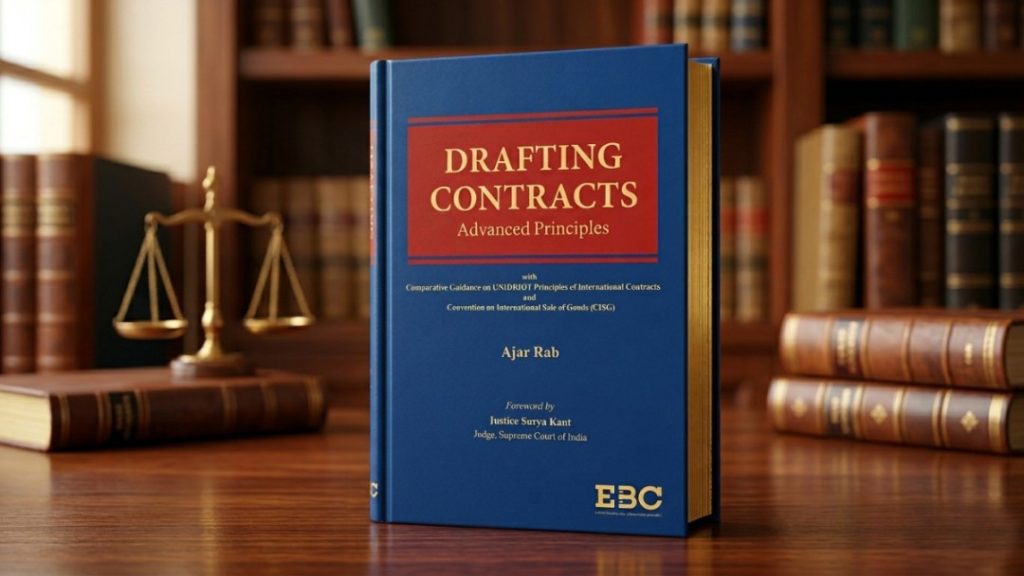
For further reading and detailed analysis, refer to this resource.