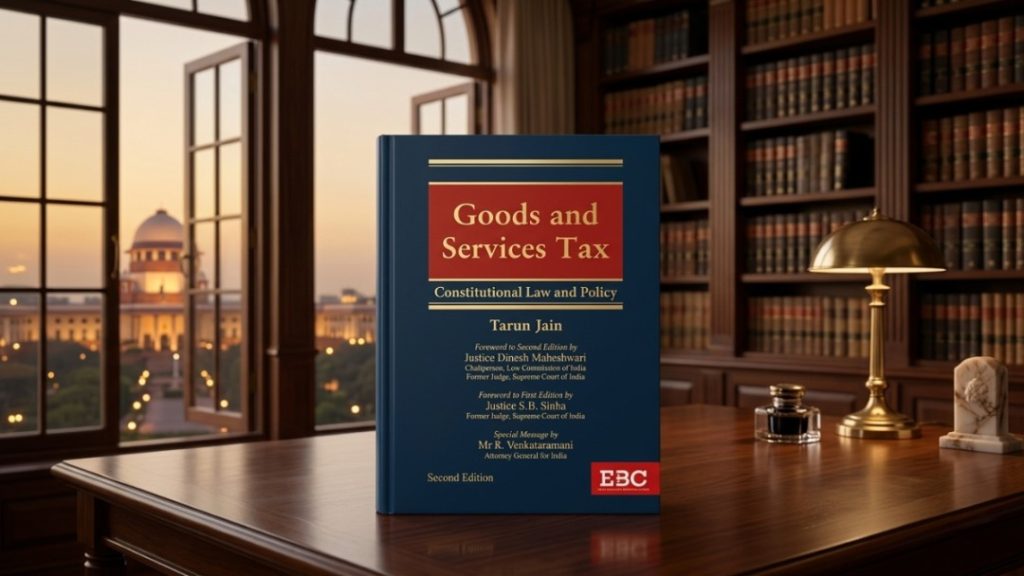
Taxes are a part of everyday life, but not everyone understands the difference between tax avoidance and tax evasion. While both aim to reduce tax liability, one is legal and the other can lead to serious penalties.
Let’s break it down in a simple and practical way.
What is Tax Avoidance?
Tax avoidance means using legal methods to reduce your tax liability.
It involves:
- Planning your finances smartly
- Taking advantage of deductions, exemptions, and benefits allowed by law
For example:
- Investing under Section 80C
- Claiming deductions on home loans
- Using tax-saving schemes
Key Point: Tax avoidance is legal and acceptable, as long as it follows the law.
What is Tax Evasion?
Tax evasion means illegally avoiding taxes by hiding or misrepresenting income.
It includes:
- Not reporting full income
- Showing fake expenses
- Using undisclosed accounts
For example:
- Taking cash payments and not recording them
- Filing false returns
Key Point: Tax evasion is illegal and punishable.
Key Differences Between Tax Avoidance and Tax Evasion
| Basis | Tax Avoidance | Tax Evasion |
|---|---|---|
| Legality | Legal | Illegal |
| Method | Uses loopholes or provisions in law | Hides or falsifies information |
| Intent | Reduce tax within law | Escape tax unlawfully |
| Consequences | Generally safe | Penalties, fines, imprisonment |
| Transparency | Transparent | Concealed |
Why This Difference Matters
Understanding this difference helps you:
- Stay compliant with tax laws
- Avoid legal trouble
- Make smarter financial decisions
Authorities like the Income Tax Department actively monitor tax evasion and impose strict penalties.
Frequently Asked Questions (FAQs)
1. Is tax avoidance illegal?
No, tax avoidance is legal if done within the framework of the law.
2. Is tax evasion a crime in India?
Yes, tax evasion is a criminal offence and can lead to penalties and imprisonment.
3. Can tax avoidance become illegal?
Yes, if it crosses into fraud or misuse of law, it may be treated as evasion.
4. Why do governments allow tax avoidance?
Because tax laws provide incentives and benefits to encourage savings and investments.
5. How can I legally reduce my taxes?
By using deductions, exemptions, and proper tax planning under the law.
For a deeper understanding, you can refer to this resource.