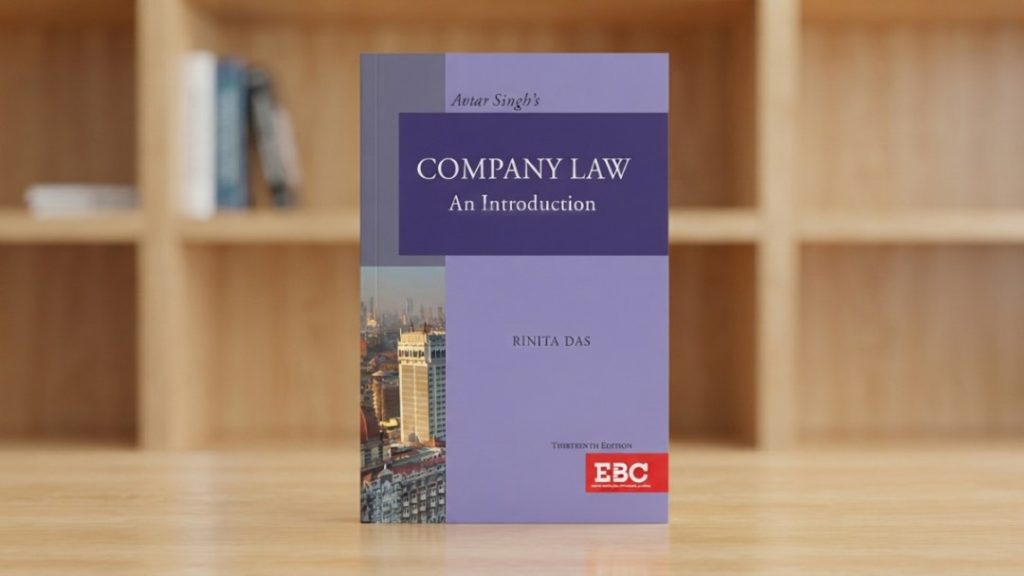
When a company wants to raise money from the public by issuing shares or debentures, it cannot simply advertise and collect funds. It must first issue a formal document called a prospectus. Understanding the types of prospectus under Companies Act, 2013 is essential for company secretaries, finance students, startup founders planning an IPO, and investors who want to know what they are reading before they invest.
Who This Guide Is For
This topic sits at the intersection of company law and securities regulation. It is written primarily for law and CS/CA students, company promoters preparing for a public issue, and compliance professionals, while keeping the language accessible enough for an informed general reader.
What Is a Prospectus
Under Section 2(70) of the Companies Act, 2013, a prospectus is any document described or issued as a prospectus, including a red herring prospectus, shelf prospectus, or any notice, circular, advertisement inviting the public to subscribe to securities of a company. It is essentially the company’s formal sales document and legal disclosure statement rolled into one.
Why the Law Requires a Prospectus
A prospectus protects investors by ensuring they have accurate, complete information before putting money into a company. Section 26 lays down the mandatory contents, including the company’s financial position, objects of the issue, risk factors, and details of promoters and directors.
Types of Prospectus Under Companies Act, 2013
1. Red Herring Prospectus (Section 32)
A red herring prospectus does not have complete details of the price or quantum of securities being offered. It is issued before the final prospectus, mainly during book-built public issues, to gauge investor demand. Once the issue closes, the company must file the final prospectus with complete price and quantity details with the Registrar of Companies (ROC).
2. Shelf Prospectus (Section 31)
A shelf prospectus allows certain classes of companies, primarily those in the business of raising funds for financing, such as banks and financial institutions notified by SEBI, to issue securities in multiple tranches over a period without filing a fresh prospectus each time. It remains valid for a period specified by SEBI regulations, generally up to one year from the first offer, and is accompanied by an information memorandum for each subsequent offer.
3. Abridged Prospectus (Section 33)
An abridged prospectus is a summarized version of the full prospectus. Every application form for securities must be accompanied by an abridged prospectus, so that potential investors get key information without reading the lengthy full document. This reduces paperwork while still meeting disclosure requirements.
4. Deemed Prospectus (Section 25)
If a company allots or agrees to allot securities to the public through an intermediary, the document by which the offer is made to the public is deemed to be a prospectus, even if not formally titled as one.
Comparison Table
| Type | Governing Section | Key Feature | When Used |
|---|---|---|---|
| Red Herring Prospectus | Section 32 | Lacks final price/quantity | Before book-built IPO pricing |
| Shelf Prospectus | Section 31 | Covers multiple issues over time | Repeated fundraising by eligible entities |
| Abridged Prospectus | Section 33 | Summary document | Attached to every application form |
| Deemed Prospectus | Section 25 | Treated as prospectus by law | Offer for sale through intermediary |
Liability for Misstatements
Sections 34, 35, and 36 create serious consequences for false statements in a prospectus.
- Section 34: Criminal liability for issuing a prospectus with untrue statements, punishable under Section 447 dealing with fraud.
- Section 35: Civil liability, allowing investors who suffered loss due to misstatements to claim compensation from directors, promoters, and experts who authorized the prospectus.
- Section 36: Punishes fraudulently inducing persons to invest money based on false statements.
Regulatory Overlap With SEBI
Public issues are also governed by the SEBI (Issue of Capital and Disclosure Requirements) Regulations, 2018, which prescribe detailed disclosure formats, eligibility norms, and pricing mechanisms that work alongside the Companies Act provisions.
Frequently Asked Questions
A red herring prospectus lacks final pricing details for a single issue, while a shelf prospectus covers multiple issues over time.
Yes, it must accompany every application form under Section 33.
Only classes of companies notified by SEBI, typically financial institutions and banks.
It attracts civil liability under Section 35 and criminal liability under Section 34.
No, private placements are governed separately and do not require a public prospectus.
Curious for more? The reference book has it.