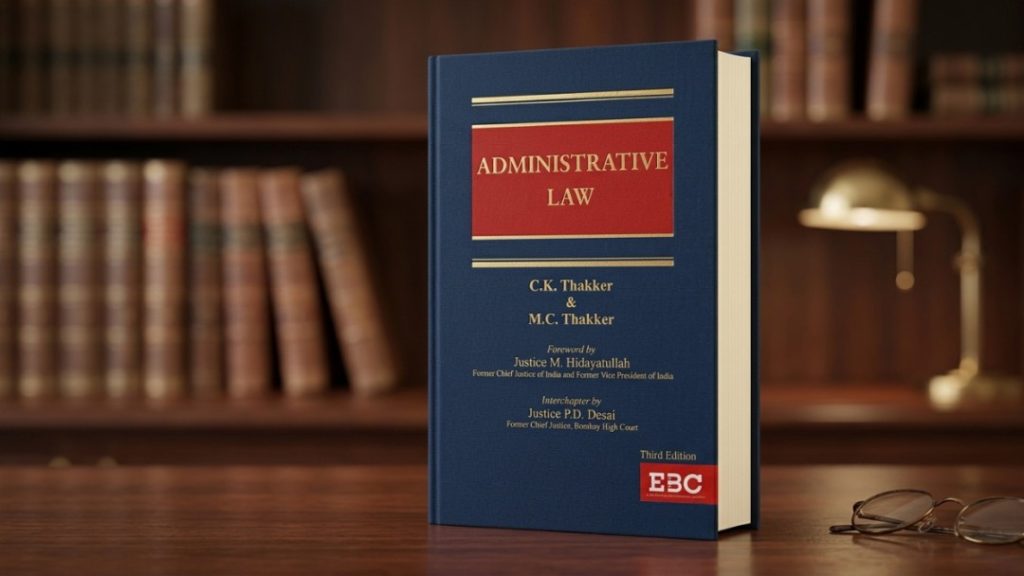
Fairness is one of the most fundamental values of any legal system. Whether a decision is made by a court, a government authority, or an administrative body, people expect the process to be fair, unbiased, and transparent. This expectation forms the basis of the doctrine of Natural Justice, one of the most important concepts in Administrative Law.
Natural justice ensures that administrative authorities exercise their powers fairly and do not make arbitrary decisions that adversely affect individuals. Although the principles of natural justice are not always expressly codified, they are deeply embedded in the legal framework and play a crucial role in protecting individual rights against misuse of power.
This article explains the meaning, principles, significance, and application of natural justice in administrative law in a simple and accessible manner.
What Is Natural Justice?
Natural Justice refers to a set of fundamental principles that ensure fairness in decision-making. It seeks to prevent arbitrary actions and promote justice by requiring authorities to follow fair procedures before making decisions that affect the rights, interests, or legitimate expectations of individuals.
In administrative law, natural justice acts as a safeguard against abuse of power and helps maintain public confidence in governmental and administrative institutions.
The doctrine is based on the idea that justice should not only be done but should also be seen to be done.
Why Is Natural Justice Important in Administrative Law?
Administrative authorities often make decisions that affect citizens in areas such as:
- Licensing and permits
- Employment matters
- Education
- Taxation
- Public services
- Regulatory compliance
Without procedural safeguards, such decisions could become arbitrary or unfair.
Natural justice ensures that:
- Individuals receive fair treatment.
- Authorities act transparently.
- Decision-making remains accountable.
- Public trust in administrative institutions is maintained.
The Origin of Natural Justice
The concept of natural justice has evolved over centuries and is rooted in principles of fairness and equity. Although it originated in common law traditions, it has become an essential part of modern administrative law across many legal systems.
Today, natural justice is recognized as a foundational principle that guides administrative decision-making and procedural fairness.
The Two Core Principles of Natural Justice
The doctrine of natural justice is traditionally built upon two fundamental principles.
1. Nemo Judex in Causa Sua
Meaning: No person should be a judge in their own cause.
This principle is commonly known as the Rule Against Bias.
It requires that a decision-maker must remain impartial and free from any personal interest in the outcome of a matter.
Why It Matters
A person cannot be expected to make a fair decision if they have:
- A financial interest in the case.
- A personal relationship with a party.
- A prejudgment of the issue.
- Any circumstance that creates a reasonable apprehension of bias.
The purpose of this principle is to ensure objectivity and public confidence in the decision-making process.
Types of Bias
Personal Bias
Occurs when a decision-maker has a personal relationship or conflict involving one of the parties.
Pecuniary Bias
Arises when a decision-maker has a financial interest in the matter.
Subject-Matter Bias
Occurs when the authority has a direct interest in the subject under consideration.
Institutional Bias
May arise when organizational structures create a perception of unfairness.
2. Audi Alteram Partem
Meaning: Hear the other side.
This principle is often referred to as the Right to a Fair Hearing.
Before an adverse decision is made, the affected person should be given a reasonable opportunity to present their case.
Essential Elements of a Fair Hearing
Notice
The individual must be informed of the case against them.
Opportunity to Respond
The person should be allowed to explain, defend, or challenge the allegations.
Access to Relevant Information
The affected party should be aware of the material being relied upon.
Consideration of Representations
Authorities must genuinely consider the submissions made before reaching a decision.
The Expanding Scope of Natural Justice
Modern administrative law recognizes that fairness is not limited to the traditional rules of bias and hearing.
The concept has evolved to include broader requirements such as:
Reasoned Decisions
Authorities should provide reasons for their decisions whenever appropriate.
Transparency
Decision-making processes should be clear and understandable.
Procedural Fairness
Procedures must be fair, consistent, and proportionate to the circumstances.
These developments reflect the growing emphasis on good governance and accountability.
Frequently Asked Questions (FAQs)
Natural justice refers to the fundamental principles of fairness that administrative authorities must follow while making decisions affecting individuals’ rights, interests, or legitimate expectations.
The two core principles are:
Nemo Judex in Causa Sua (Rule Against Bias)
Audi Alteram Partem (Right to a Fair Hearing)
Natural justice promotes fairness, transparency, accountability, and protection against arbitrary decision-making by administrative authorities.
No. Natural justice applies not only to courts but also to administrative authorities, tribunals, regulatory bodies, and other decision-making institutions.
The rule against bias requires that a person deciding a matter must be impartial and free from personal, financial, or institutional interests that may affect their judgment.
For further reading and detailed analysis, refer to this resource.