What Is a Lease of Immovable Property?
Section 105 of the Transfer of Property Act, 1882 defines a lease as a transfer of a right to enjoy immovable property for a certain time, expressly or impliedly, or in perpetuity, in return for consideration.
The person transferring the right is the lessor, while the person receiving it is the lessee. A price paid for the transfer is called a premium, while periodic consideration, whether money, crops, service, or another thing of value, is called rent.
Importantly, a lease transfers the right to enjoy the property. It does not transfer ownership itself.
How Is a Lease Created?
Section 107 TPA lays down the formal requirements.
A lease from year to year, for a term exceeding one year, or reserving yearly rent can be created only through a registered instrument. Other leases may generally be created through a registered instrument or an oral agreement accompanied by delivery of possession.
Where a lease is made through a registered instrument, it must be executed by both the lessor and lessee.
This operates alongside Section 17(1)(d) of the Registration Act, 1908, which makes registration compulsory for leases from year to year, leases exceeding one year, and leases reserving yearly rent. Section 18 permits optional registration for certain leases not exceeding one year.
Duration and Notice Under Section 106
Where there is no contract, local law, or usage to the contrary, Section 106 provides default rules.
A lease for agricultural or manufacturing purposes is deemed to run from year to year and is terminable by six months’ notice.
A lease for any other purpose is deemed to run from month to month and is terminable by fifteen days’ notice.
The notice must be in writing, signed by or on behalf of the person giving it, and properly delivered as prescribed by the section.
Rights and Liabilities of Lessor and Lessee
Section 108 establishes important obligations for both parties, unless a contract or local usage provides otherwise.
Lessor
The lessor must:
- disclose material defects in the property known to the lessor but not reasonably discoverable by the lessee;
- put the lessee in possession when requested; and
- ensure that, while the lessee pays rent and performs the lease conditions, the lessee may hold the property without interruption by the lessor.
Lessee
The lessee must generally:
- disclose material facts affecting the value of the interest being transferred where required;
- pay rent or premium at the proper time and place;
- maintain the property with reasonable care;
- inform the lessor of certain proceedings or encroachments affecting the property;
- use the property prudently and for its leased purpose; and
- return possession when the lease ends.
The lessee also receives statutory rights, including certain rights concerning repairs, payments recoverable from the lessor, removal of attached items, crops, and transfer of the lessee’s interest, subject to the lease and applicable law.
Waiver, Forfeiture and Holding Over
Section 112 deals with waiver of forfeiture, while Section 113 concerns waiver of notice to quit.
Section 114 provides relief against forfeiture for non-payment of rent in specified circumstances. Section 114A deals with relief against forfeiture for certain other breaches.
Under Section 116, if a lessee remains in possession after the lease has ended and the lessor accepts rent or otherwise agrees to continued possession, the lease may be renewed through “holding over”, subject to the statutory conditions.
Does the TPA Apply to Agricultural Leases?
Not automatically. Section 117 provides that Chapter V does not apply to leases for agricultural purposes unless the State Government extends all or some of its provisions by notification. State and local tenancy laws may therefore become particularly important.
Frequently Asked Questions
No. Under Section 107 TPA, leases from year to year, exceeding one year, or reserving yearly rent require a registered instrument. Registration requirements under the Registration Act, 1908 must also be considered.
Certain leases may be created by oral agreement accompanied by delivery of possession, subject to Section 107 and applicable State law.
No. A lease transfers a right to enjoy the property, not ownership.
The lessor is the person who transfers the right to enjoy the property. The person receiving that right is the lessee.
A lease may be determined by forfeiture where the requirements of Section 111 are satisfied, including where an express condition providing a right of re-entry is breached.
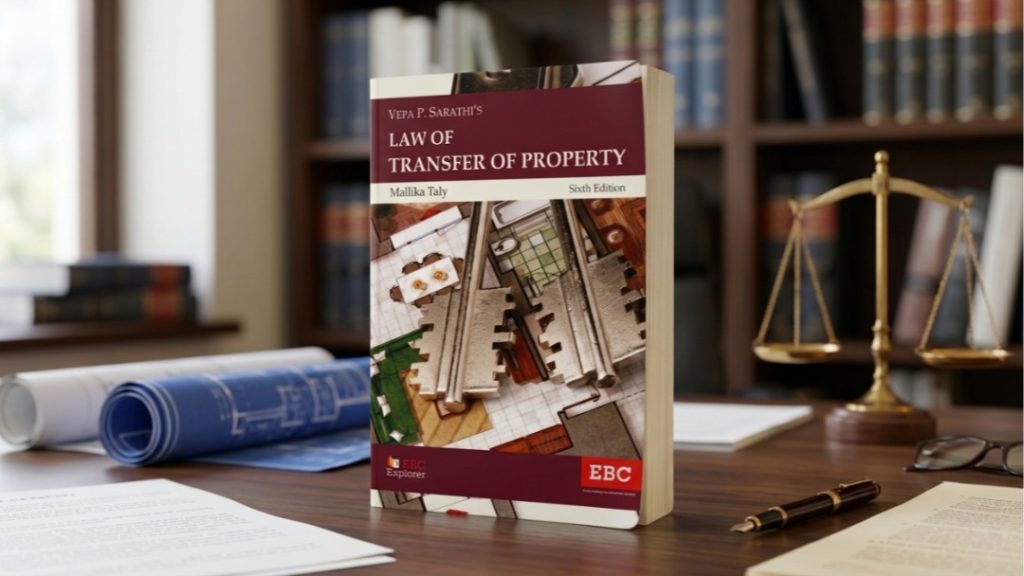
Want the deeper dive? Grab the reference book.