What Does “Design” Mean Under Indian Law
The primary law governing this area is the Designs Act, 2000, supported by the Designs Rules, 2001 (amended periodically, most recently in 2021, to allow more startup friendly fee structures and e-filing improvements).
Under Section 2(d) of the Act, a “design” refers only to the features of shape, configuration, pattern, ornamentation, or composition of lines or colours applied to an article. It covers only the visual appearance, not the function. This is a critical distinction:
- A design registration protects how a product looks.
- A patent protects how a product works.
If your kettle has an innovative spout mechanism, that is patent territory. If it simply has a striking, original shape, that is where design registration in India becomes relevant.
Why Registration Matters
Without registration, a design has almost no standalone legal protection in India. Competitors can legally replicate an unregistered design’s appearance, since design rights, unlike copyright, do not arise automatically. Registration under the Designs Act, 2000 grants the owner:
- Exclusive rights to apply the design to the article for which it is registered
- Legal standing to sue for infringement if someone copies or imitates the design
- Market exclusivity, which strengthens brand identity and deters imitation
- Commercial value, since registered designs can be licensed or assigned
Eligibility Criteria
Section 4 of the Act lists the conditions a design must meet:
- It must be new or original.
- It must not have been disclosed to the public anywhere in India or abroad before filing.
- It must be significantly distinguishable from known designs.
- It must not contain scandalous or obscene material.
Purely functional shapes dictated only by mechanical necessity cannot be registered.
The Registration Process
The Controller General of Patents, Designs and Trade Marks oversees design applications through the Design Office in Kolkata.
| Step | Description | Approximate Timeline |
|---|---|---|
| 1. Application filing | Submit Form 1 with representations of the design | Day 1 |
| 2. Examination | Examiner checks novelty and classification | 1 to 3 months |
| 3. Objection (if any) | Applicant responds to examiner’s objections | Varies |
| 4. Registration | Design is registered and certificate issued | Total 6 to 12 months |
| 5. Publication | Design entered in the official Designs Journal | After registration |
Rights vs Obligations of a Registered Owner
| Rights | Obligations |
|---|---|
| Exclusive use of the design on the registered article | Must disclose the true design correctly at filing |
| Right to license or assign the design | Must renew before the 10 year term lapses |
| Right to sue for infringement | Cannot claim design rights beyond the registered article class |
| Right to mark products as registered | Must not use the design fraudulently against public policy |
Frequently Asked Questions
Typically between 6 and 12 months, depending on objections raised during examination.
No. Prior public disclosure, including sale, generally disqualifies the design from registration.
No. Design registration protects appearance, while patents protect function or technical innovation.
Only if combined with a pattern or shape; a plain single colour cannot be registered.
The design becomes public property and can be used by anyone without permission.
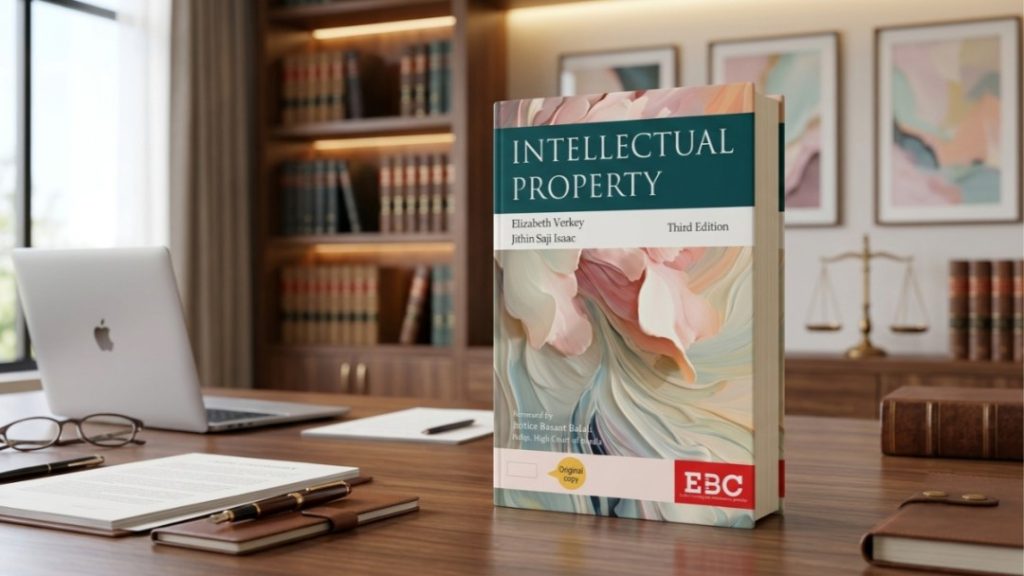
Want the deeper dive? Grab the reference book.