Signing a contract often feels final. Once both parties sign, many assume the terms are fixed forever.
But is that really true?
The answer is: Yes, a contract can be changed after signing in India, but only under certain legal conditions.
Let’s understand this in a simple and practical way.
What Does the Law Say?
Contracts in India are governed by the Indian Contract Act, 1872.
Under this law, a contract cannot be changed by one party alone.
Any change must follow proper legal rules.
What Does “Changing a Contract” Mean?
Changing a contract is legally called “variation” or “modification”.
It means:
- Altering terms after signing
- Adding new conditions
- Removing existing obligations
Example:
Changing rent amount in a rental agreement or extending a project deadline.
When Can a Contract Be Changed?
A contract can be legally changed in the following ways:
1. Mutual Consent (Most Important)
Both parties must agree to the change.
Example:
Employer and employee agree to revise salary terms.
This is the most common and safest method.
2. Novation (Replacing the Contract)
- Old contract is cancelled
- New contract is created
Example:
A new party replaces one of the original parties.
3. Alteration (Partial Change)
- Only certain terms are changed
- Rest of the contract remains the same
Example:
Changing delivery date in a business contract.
4. Rescission (Cancellation)
- Contract is cancelled completely
- Both parties are released from obligations
When a Contract Cannot Be Changed
A contract cannot be changed in these situations:
- Only one party wants the change
- The other party does not agree
- The change is forced through:
- Fraud
- Misrepresentation
- Coercion
In such cases, the modification is not legally valid.
Do Changes Need to Be in Writing?
Legally, some changes can be oral.
But practically, written changes are always safer.
Why?
- Easier to prove in court
- Avoids misunderstandings
- Many contracts require written amendments
Best practice:
Always document changes and get signatures from both parties.
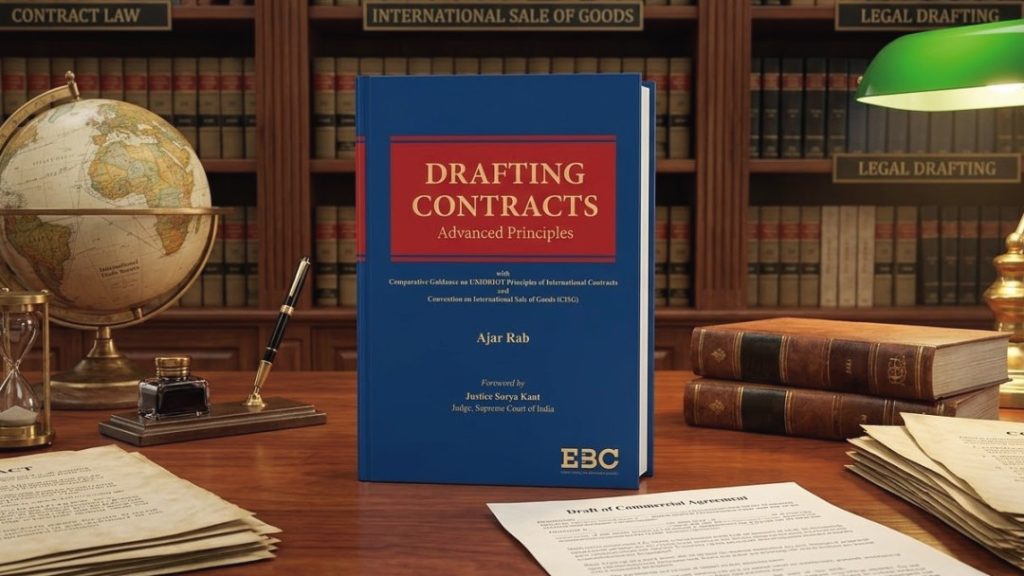
For a deeper understanding of this topic, you may refer to this resource.