Administrative law accountability in India is built on a layered system that checks how government departments, officials, and public bodies exercise power. When a government agency acts unfairly, delays a decision, or misuses funds, Indian law offers several routes for citizens to seek answers. This article explains how administrative law accountability in India works, the statutes behind it, and a brief comparison with other democracies.
Why Accountability Matters in Administrative Law
Administrative law governs the actions and decisions of government bodies, meaning ministries, regulatory authorities, and public officials. Since these bodies hold significant power over citizens, accountability mechanisms ensure that power is not misused and citizens have a way to challenge unfair action.
Judicial Review: The Constitutional Foundation
The starting point for administrative accountability in India lies in the Constitution itself.
- Article 32: Allows citizens to approach the Supreme Court directly if their fundamental rights are violated by government action.
- Article 226: Empowers High Courts to review administrative decisions and issue directions or orders against government authorities, even beyond fundamental rights violations.
- Article 227: Gives High Courts supervisory power over tribunals and lower courts, including administrative tribunals.
These provisions let courts examine whether a government decision was arbitrary, unreasonable, or made without proper authority.
Right to Information Act, 2005: Citizen Driven Accountability
The Right to Information Act, 2005 is one of India’s most widely used accountability tools.
- Section 3: Grants every citizen the right to request information from public authorities.
- Section 4: Requires public authorities to proactively publish key information about their functioning.
- Section 6: Sets out the simple procedure for filing an information request.
- Section 7: Mandates a response within 30 days, or 48 hours where information concerns life or liberty.
- Section 8: Lists exemptions, such as information affecting national security or ongoing investigations.
- Sections 18 to 20: Establish Information Commissions and allow penalties on officials who unreasonably deny information.
Anti Corruption and Vigilance Mechanisms
Two key institutions target corruption and misconduct within government administration.
Central Vigilance Commission Act, 2003 established the Central Vigilance Commission, an independent body overseeing vigilance activities across central government departments and investigating corruption complaints against public servants.
Lokpal and Lokayuktas Act, 2013 created the Lokpal centrally and Lokayuktas at the state level, ombudsman style bodies empowered to investigate corruption complaints against public officials, including certain complaints against the Prime Minister, subject to specific safeguards and exceptions.
Both mechanisms work alongside the Prevention of Corruption Act, 1988, which defines criminal offences for bribery and misuse of official position.
Financial Accountability Through the CAG
Under Articles 148 to 151 of the Constitution, the Comptroller and Auditor General of India audits government spending across the Union and States, ensuring public funds are used as authorised by the legislature. The CAG’s reports are placed before Parliament and state legislatures, creating a public record of financial accountability.
Administrative Tribunals Act, 1985
This Act established Administrative Tribunals to resolve disputes over recruitment and service conditions of government employees, offering a faster alternative to regular courts.
Accountability Mechanisms at a Glance
| Mechanism | Governing Law | Primary Focus |
|---|---|---|
| Judicial Review | Articles 32, 226, 227 | Legality and fairness of government decisions |
| Right to Information | RTI Act, 2005 | Transparency and citizen access to information |
| Vigilance Oversight | CVC Act, 2003 | Preventing corruption in central departments |
| Ombudsman Complaints | Lokpal and Lokayuktas Act, 2013 | Investigating corruption by public officials |
| Financial Audit | Articles 148 to 151 | Auditing use of public funds |
| Service Disputes | Administrative Tribunals Act, 1985 | Government employee grievances |
Frequently Asked Questions
You should first appeal to the Information Commission under Section 19 before approaching a court.
Yes, but subject to specific safeguards and exceptions under the Lokpal and Lokayuktas Act, 2013.
The CVC primarily supervises vigilance within government departments, while the Lokpal independently investigates corruption complaints against public officials.
Thirty days, or 48 hours if the information concerns life or liberty.
Yes, under Articles 226 and 32, if it is found arbitrary or unconstitutional.
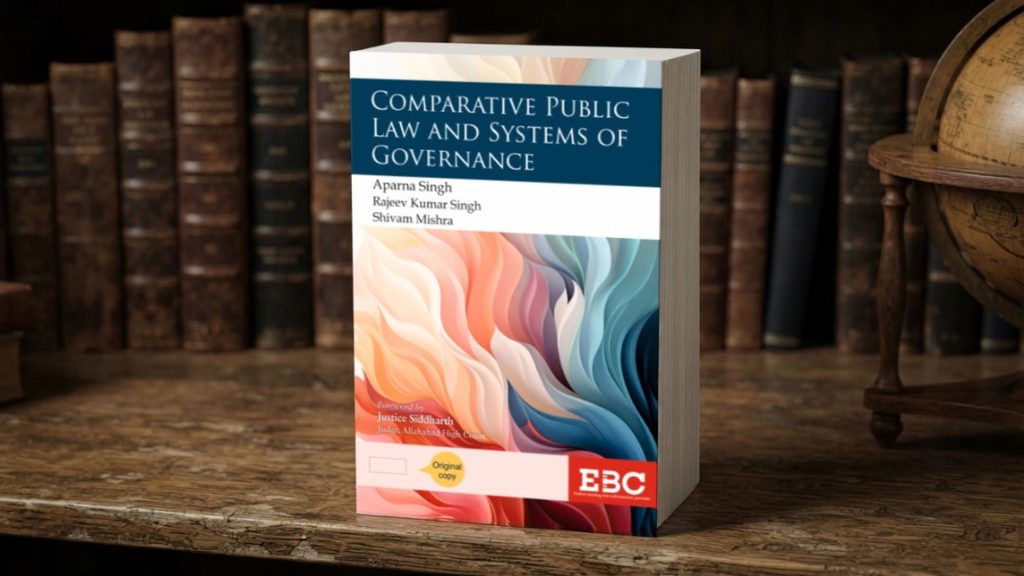
Want the deeper dive? Grab the reference book.