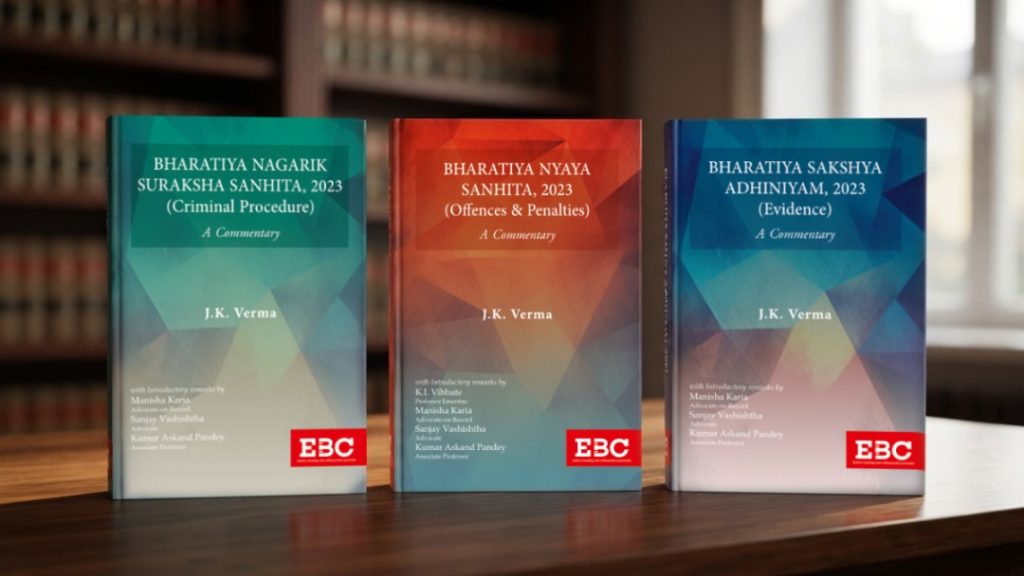
Is sedition still a crime in India under the new laws? This is one of the most searched legal questions in India today, and the honest answer is: not exactly, but something very similar has taken its place. In July 2024, India replaced its colonial era Indian Penal Code (IPC) with the Bharatiya Nyaya Sanhita (BNS), 2023, along with two companion statutes: the Bharatiya Nagarik Suraksha Sanhita (BNSS), 2023, replacing the Code of Criminal Procedure, and the Bharatiya Sakshya Adhiniyam (BSA), 2023, replacing the Indian Evidence Act. One of the most debated changes concerns sedition law in India, previously found in Section 124A of the IPC.
Background: Section 124A of the IPC
Section 124A, enacted in 1870, punished anyone who brought or attempted to bring “hatred or contempt,” or excited “disaffection,” against the government established by law, and was originally used against Indian freedom fighters. In 2022, the Supreme Court directed that all pending sedition cases be kept in abeyance while the government reconsidered the provision, effectively freezing Section 124A even before its formal repeal.
The New Provision: Section 152 of the BNS
Parliament did not simply delete the sedition offence; it introduced Section 152, titled “Act Endangering Sovereignty, Unity and Integrity of India.” This section punishes purposeful or knowing acts that excite secession, armed rebellion, or subversive activities, encourage separatist feelings, or endanger India’s sovereignty, unity, or integrity, whether through words, signs, visible representation, electronic communication, financial means, or any other method.
The word “sedition” does not appear in the BNS. The language has shifted from “disaffection against government” to direct threats against sovereignty and integrity, and the provision now expressly covers digital and financial means, reflecting concerns around online speech and funding of separatist activity.
Key Features of Section 152 BNS
- Nature of offence: Cognizable, meaning police may arrest without a warrant, and non-bailable, meaning bail is not a matter of right
- Trial forum: Triable only by a Court of Session; magistrates cannot try this offence directly
- Punishment: Life imprisonment, or imprisonment up to seven years, along with a fine
- Exception clause: Lawful criticism of government measures, aimed at seeking change through constitutional means and without inciting rebellion or secession, is not an offence
This exception protects legitimate dissent, distinguishing ordinary criticism from acts that genuinely threaten the country’s unity or sovereignty.
Section 124A IPC vs Section 152 BNS
| Aspect | Section 124A IPC (Old) | Section 152 BNS (New) |
|---|---|---|
| Terminology | “Sedition,” disaffection against government | No mention of “sedition”; focuses on sovereignty and integrity |
| Scope of acts covered | Words, signs, visible representation | Adds electronic communication and financial means |
| Maximum punishment | Life imprisonment, or up to 3 years, plus fine | Life imprisonment, or up to 7 years, plus fine |
| Bailability | Non-bailable | Non-bailable |
| Cognizability | Cognizable | Cognizable |
| Status | Kept in abeyance since 2022 | In force since 1 July 2024 |
Frequently Asked Questions
The word “sedition” has been removed from the statute book, but a similarly worded offence continues under Section 152 of the BNS.
No, it is non-bailable, so bail is at the discretion of the court rather than a right.
Yes. Lawful criticism seeking change through constitutional means, without inciting rebellion or secession, is explicitly excluded from the offence.
Yes, the provision expressly covers electronic communication, which includes posts, videos, and messages shared online.
Life imprisonment, or imprisonment up to seven years, along with a fine.
Want the deeper dive? Grab the reference book.