Lost a Case and Wondering Whether the Supreme Court Can Help?
For many litigants and lawyers, receiving an unfavorable judgment from a High Court or tribunal can feel like the end of the road. Questions quickly arise: Can the decision be challenged? Does the Supreme Court have the power to intervene? What is the procedure for approaching the highest court in the country?
This is where a Special Leave Petition (SLP) becomes important. Governed by Article 136 of the Constitution of India, an SLP allows a party to seek special permission from the Supreme Court to appeal against a judgment, decree, determination, sentence, or order passed by a court or tribunal. Understanding how this extraordinary remedy works is essential for litigants, law students, and legal professionals alike.
Quick Answer: What Is a Special Leave Petition?
A Special Leave Petition (SLP) is a constitutional remedy under Article 136 that enables a party to request the Supreme Court’s permission to appeal against a decision of a court or tribunal. Unlike a regular appeal, an SLP is not a matter of right. The Supreme Court has complete discretion to decide whether the case deserves its consideration.
In simple terms, an SLP is a gateway through which exceptional cases may reach the Supreme Court.
Understanding the SLP Process
1. What Makes an SLP Different from a Regular Appeal?
A regular appeal can be filed only when a statute specifically provides a right to appeal.
An SLP is different because it is based on the Supreme Court’s discretionary power under Article 136. The Court may entertain an SLP when it finds substantial injustice, serious legal error, or issues of public importance.
Example
Suppose a High Court passes a judgment that appears to conflict with established legal principles. Even if no direct statutory appeal is available, the aggrieved party may approach the Supreme Court through an SLP.
2. Who Can File a Special Leave Petition?
Any person who is adversely affected by a judgment or order of a court or tribunal may seek special leave from the Supreme Court.
However, the petitioner must demonstrate why the case deserves the Court’s intervention. Merely being dissatisfied with the outcome is generally not sufficient.
3. How Is an SLP Filed?
The filing process typically involves:
- Preparing the Special Leave Petition.
- Annexing certified copies of relevant judgments and orders.
- Drafting a list of dates and events.
- Preparing affidavits and supporting documents.
- Complying with Supreme Court Rules and Registry requirements.
- Filing through an Advocate-on-Record.
After scrutiny by the Registry, the matter is listed before the Court for preliminary consideration.
4. What Happens After Filing?
At the admission stage, the Supreme Court considers whether special leave should be granted.
The Court may:
- Dismiss the SLP.
- Issue notice to the opposite party.
- Grant special leave and convert the matter into a civil or criminal appeal.
Only after leave is granted does the matter proceed as a regular appeal before the Court.
Common Grounds Considered in SLPs
While there is no fixed formula, the Supreme Court often examines whether the case involves:
- Grave miscarriage of justice.
- Significant questions of law.
- Jurisdictional errors.
- Violation of principles of natural justice.
- Conflicting judicial interpretations.
The Court generally discourages attempts to use an SLP as a routine third appeal.
Why Understanding SLPs Matters
For law students and young lawyers, Special Leave Petitions provide insight into:
- Constitutional remedies.
- Appellate practice.
- Supreme Court procedure.
- Strategic litigation.
- Drafting and advocacy before the apex court.
Because Article 136 occupies a unique place in Indian constitutional law, SLPs remain one of the most frequently discussed aspects of Supreme Court practice.
What to Do Next
If you are studying or working with Supreme Court litigation:
1. Read Article 136 Carefully
Understand the constitutional foundation of SLP jurisdiction.
2. Study Supreme Court Rules
Procedural compliance is critical in appellate practice.
3. Learn the Role of Advocates-on-Record
AORs play a central role in filing and conducting proceedings before the Supreme Court.
4. Review SLP Formats
Examine practical drafting formats and filing requirements.
5. Understand Registry Practice
Many matters encounter delays due to procedural defects and non-compliance.
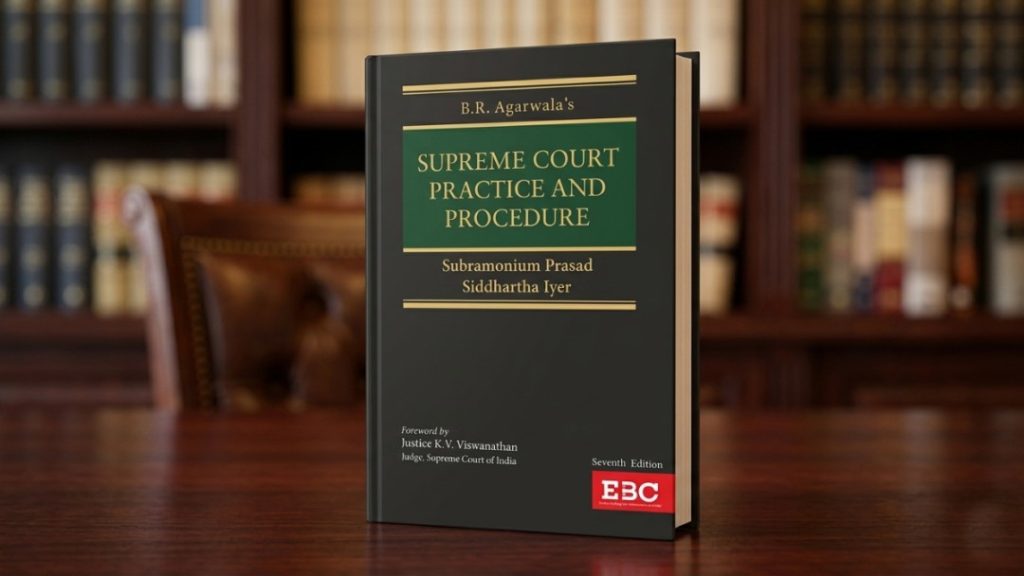
Want to dive deeper? Check out this resource for more insights.