Property and document-related crimes are among the most common offences dealt with by criminal courts. From theft and cheating to forgery and the use of fake documents, these offences can affect individuals, businesses, and public institutions alike. As commerce and digital transactions continue to grow, understanding the legal principles governing such crimes has become increasingly important.
Under Indian criminal law, property and document crimes are not merely offences against physical possessions. They also involve violations of trust, ownership rights, and the integrity of records and documents. This article explores the key principles of criminal liability associated with these offences and explains how the law seeks to protect property and documentary evidence from unlawful interference.
What Are Property Crimes?
Property crimes are offences that involve the unlawful taking, damage, misuse, or deprivation of another person’s property. The primary objective of these laws is to protect ownership rights and maintain public confidence in economic and social transactions.
Common property-related offences include:
- Theft
- Extortion
- Robbery
- Dacoity
- Criminal Misappropriation
- Criminal Breach of Trust
- Cheating
These offences may involve movable property, money, valuable securities, or other assets belonging to another person.
Understanding Criminal Liability in Property Crimes
Criminal liability arises when a person commits an act prohibited by law with the required mental element or guilty intention.
For liability to arise, two essential elements are generally required:
1. Actus Reus (Guilty Act)
This refers to the wrongful act itself, such as taking someone’s property without consent or dishonestly using entrusted funds.
2. Mens Rea (Guilty Mind)
This refers to the intention, knowledge, or dishonest motive behind the act.
For example, accidentally taking another person’s umbrella from a restaurant may not constitute theft. However, knowingly taking it with the intention of permanently depriving the owner may attract criminal liability.
Theft: The Most Common Property Offence
Theft occurs when a person dishonestly takes movable property out of another person’s possession without consent.
Essential Elements of Theft
- Dishonest intention
- Movable property
- Property belongs to another person
- Absence of consent
- Physical movement of the property
Examples include:
- Stealing a mobile phone
- Taking money from another person’s wallet
- Removing goods from a store without payment
The law treats theft seriously because it directly interferes with ownership rights.
Criminal Breach of Trust
Criminal breach of trust occurs when property is entrusted to a person and that person dishonestly misuses or converts it for personal benefit.
Common Examples
- An employee misappropriating company funds
- A trustee using trust property for personal purposes
- A partner diverting partnership assets for private gain
The offence is considered particularly serious because it involves a violation of trust and confidence.
Cheating and Dishonest Inducement
Cheating occurs when a person deceives another and induces them to deliver property, part with money, or take an action they otherwise would not have taken.
Examples of Cheating
- Fraudulent investment schemes
- False promises made to obtain money
- Online scams involving fake identities
Unlike theft, cheating generally involves deception from the very beginning of the transaction.
Extortion, Robbery, and Dacoity
These offences involve obtaining property through force, fear, or threats.
Extortion
A person intentionally puts another in fear of injury and thereby dishonestly induces them to deliver property.
Robbery
Robbery combines theft or extortion with violence or the threat of immediate violence.
Dacoity
When five or more persons jointly commit or attempt to commit robbery, the offence becomes dacoity.
These offences attract severe punishment due to their violent nature and impact on public safety.
What Are Document Crimes?
Document crimes involve the creation, alteration, possession, or use of false documents with the intention to deceive or cause harm.
Documents play a critical role in legal, financial, and commercial transactions. Therefore, the law provides strong protection against document-related fraud.
Common document offences include:
- Forgery
- Making false documents
- Using forged documents
- Counterfeiting valuable securities
- Falsification of records
Forgery: A Serious Offence Against Authenticity
Forgery occurs when a person creates or alters a document dishonestly with the intention of causing damage, supporting a false claim, or deceiving another person.
Examples of Forgery
- Creating a fake property deed
- Altering educational certificates
- Forging signatures on contracts
- Fabricating financial records
Forgery undermines trust in official and private documentation, making it a serious criminal offence.
Using Forged Documents
A person may be criminally liable even if they did not personally create the forged document.
If someone knowingly uses a forged document as genuine, the law may treat them similarly to the person who committed the forgery.
Examples include:
- Submitting fake certificates for employment
- Producing forged identity documents
- Using falsified records to obtain benefits
Digital Documents and Emerging Challenges
With the growth of technology, document-related crimes increasingly involve electronic records and digital documents.
Modern offences may include:
- Tampering with electronic records
- Creating fake digital certificates
- Manipulating online financial documents
- Identity theft through forged electronic records
As digital transactions become more common, legal systems continue to evolve to address these emerging risks.
Frequently Asked Questions (FAQs)
Theft involves dishonestly taking property without consent, whereas cheating involves deceiving a person into voluntarily delivering property or money.
It is an offence that occurs when a person entrusted with property dishonestly misuses, converts, or disposes of that property contrary to the purpose of the entrustment.
Forgery involves making, altering, or using a false document with the intention to deceive, cause harm, or support a false claim.
Yes. A person who knowingly uses a forged document as genuine may be held criminally liable.
Yes. Electronic records, digital certificates, and other digital documents are protected, and unauthorized manipulation or falsification may attract criminal liability.
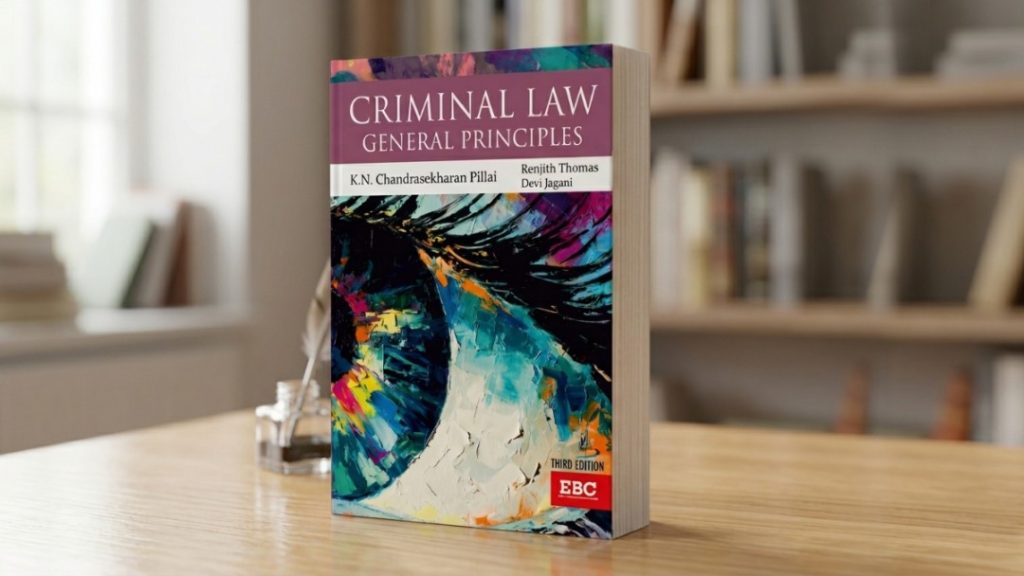
For a deeper understanding, you can refer to this resource.