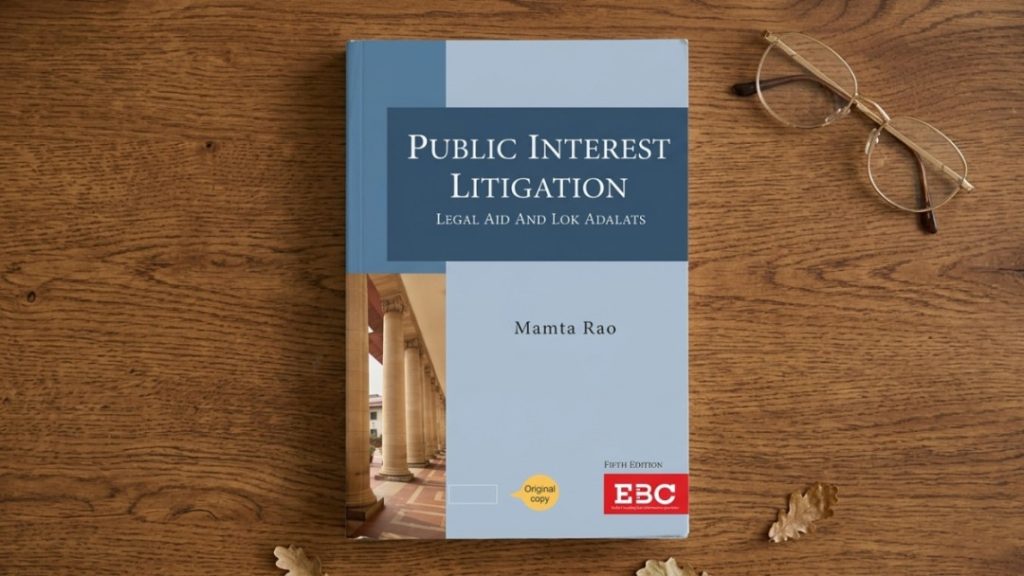
Public Interest Litigation (PIL) is one of the most powerful legal tools available to citizens in India. It allows individuals or organizations to approach courts for the protection of public interest, fundamental rights, or social justice issues affecting a large section of society.
From environmental protection to prison reforms, road safety, women’s rights, and corruption issues, PILs have played a major role in strengthening democracy and access to justice in India.
In this guide, we will explain the PIL filing procedure in the Supreme Court and High Courts, eligibility, documents required, court fees, important rules, and practical tips in simple and easy language.
What is Public Interest Litigation (PIL)?
Public Interest Litigation is a legal action filed in a court for the protection of public interest rather than private or personal rights.
A PIL can be filed when:
- fundamental rights of the public are violated
- government authorities fail to perform duties
- environmental damage affects citizens
- corruption or illegal activities harm society
- weaker sections cannot approach courts themselves
The concept of PIL became popular in India through judicial activism and relaxed rules of locus standi, allowing socially conscious citizens to seek justice on behalf of others.
Which Courts Can Hear a PIL in India?
A PIL can generally be filed in:
1. Supreme Court of India
Supreme Court of India
Under:
- Article 32 of the Constitution of India
A PIL is filed in the Supreme Court when:
- a matter involves violation of Fundamental Rights
- the issue affects the whole country
- national importance is involved
2. High Courts
High Courts of India
Under:
- Article 226 of the Constitution of India
A PIL is filed in a High Court when:
- the issue relates to a particular state or region
- legal rights or constitutional rights are violated
- local public interest matters are involved
Who Can File a PIL?
One of the most important features of PIL is that any public-spirited person can file it.
You do not need to be personally affected by the issue.
The following persons can file a PIL:
- citizens
- NGOs
- social activists
- lawyers
- journalists
- registered organizations
However, courts discourage:
- fake PILs
- politically motivated PILs
- publicity-oriented petitions
- personal disputes disguised as PILs
Important Conditions Before Filing a PIL
Before filing a PIL, make sure:
- the issue genuinely affects public interest
- there is no personal gain involved
- proper research and evidence are available
- representations to authorities have already been made if possible
- facts are truthful and verifiable
Courts can impose heavy penalties for frivolous PILs.
Step-by-Step PIL Filing Procedure in Supreme Court and High Courts
Step 1: Identify the Public Interest Issue
The first step is identifying an issue affecting the public at large.
Examples include:
- illegal construction
- pollution
- corruption
- custodial violence
- denial of basic rights
- environmental degradation
- illegal government action
Step 2: Collect Relevant Documents and Evidence
Gather all necessary supporting materials such as:
- photographs
- government notices
- RTI replies
- newspaper reports
- medical records
- representations made to authorities
- expert reports
Strong documentation increases the chances of admission of the PIL.
Step 3: Consult a Lawyer
Although a person can file a PIL without a lawyer, professional legal assistance is highly recommended.
A lawyer helps in:
- drafting the petition properly
- identifying legal grounds
- citing constitutional provisions
- avoiding procedural defects
Step 4: Draft the PIL Petition
The PIL petition should contain:
Basic Contents of PIL Petition
- name and details of petitioner
- details of respondents
- facts of the case
- public interest involved
- violation of constitutional/legal rights
- prayers or relief sought
- interim relief if required
The drafting should be clear, concise, and supported by facts.
Step 5: Prepare an Affidavit
An affidavit must accompany the PIL petition.
The affidavit confirms:
- facts stated are true
- information is genuine
- petition is filed in public interest
The affidavit must be properly signed and notarized.
Step 6: Pay Court Fees
The court fee for filing a PIL is generally nominal.
In many cases:
- Supreme Court PIL filing fee is very low
- High Court fees vary by state
Additional costs may include:
- typing
- photocopying
- advocate fees
- notarization
Step 7: Filing the PIL in Court Registry
The petition is submitted before the filing counter or registry of the concerned court.
The registry examines:
- formatting requirements
- annexures
- affidavit
- court fee
- procedural compliance
If defects are found, corrections may be required.
Step 8: Listing Before the Court
After scrutiny, the matter is listed before the bench.
The court may:
- admit the PIL
- issue notice to government authorities
- dismiss the petition
- seek further clarification
Step 9: Hearing and Court Proceedings
If admitted, the court conducts hearings and may:
- appoint committees
- seek status reports
- issue interim orders
- direct investigations
In serious matters, continuous monitoring may also occur.
Documents Required for Filing a PIL
The following documents are usually needed:
- PIL petition
- affidavit
- identity proof
- supporting documents/evidence
- authorization letter (if filed by organization)
- index and synopsis
- list of dates/events
Different courts may have slightly different procedural requirements.
Difference Between PIL in Supreme Court and High Court
| Basis | Supreme Court | High Court |
|---|---|---|
| Constitutional Provision | Article 32 | Article 226 |
| Jurisdiction | National issues | State/regional issues |
| Focus | Fundamental Rights | Wider legal rights |
| Filing Location | New Delhi | Concerned state |
| Scope | Country-wide | State-specific |
Important Supreme Court Guidelines on PIL
Supreme Court of India has repeatedly stated that PIL should not be used for:
- personal revenge
- political motives
- publicity
- business rivalry
Courts carefully examine whether the petition genuinely serves public interest.
Learn more about this topic through this detailed guide.
Frequently Asked Questions (FAQs)
Yes. Any public-spirited citizen can file a PIL for issues affecting public interest.
No, but legal assistance is highly recommended for proper drafting and procedure.
Court fees are generally nominal, though additional legal and documentation costs may apply.
Some courts provide e-filing facilities for PILs, especially after digital reforms in the judiciary.
Generally, PILs are filed against government authorities, but private entities performing public functions may also be challenged in certain situations.
Courts may dismiss the PIL and impose penalties or costs on the petitioner.
PILs are mainly filed under:
Article 32 before the Supreme Court
Article 226 before High Courts