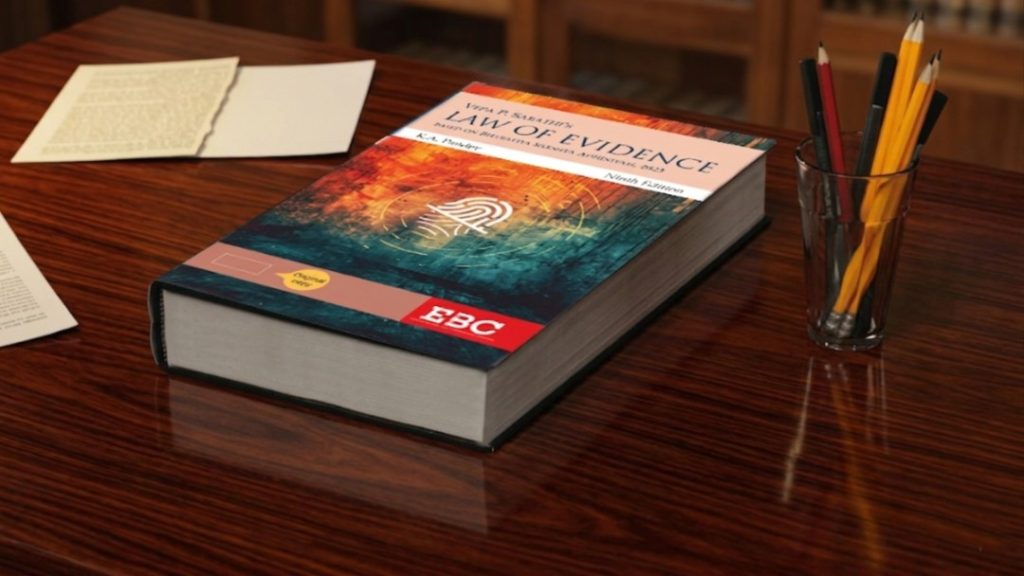
In any legal proceeding, witnesses play a crucial role in helping the court arrive at the truth. The Indian Evidence Act, 1872 lays down clear rules regarding who can be a witness, what makes a person competent, and how their testimony is evaluated. Understanding these rules is important not only for law students and professionals but also for individuals involved in legal proceedings.
Who is a Witness?
A witness is a person who gives evidence before a court regarding facts in issue or relevant facts. This evidence may be based on what the person has seen, heard, or experienced. The role of a witness is to assist the court in discovering the truth by providing reliable information.
General Rule: Who Can Be a Witness? (Section 118)
Under Section 118 of the Indian Evidence Act, the general rule is that all persons are competent to testify, unless the court considers that they are unable to understand the questions or give rational answers.
This means that competency is not based on age, gender, or status, but on the ability to understand and communicate effectively. The court assesses whether the witness can give logical and reliable answers.
Who Cannot Be a Witness?
The law does not specifically list categories of persons who are completely barred from being witnesses. However, a person may be considered incompetent if they:
- cannot understand the questions put to them
- are unable to give rational answers
- suffer from severe mental incapacity at the time of testimony
It is important to note that such incapacity must affect the person’s ability to testify at the time of giving evidence.
Special Categories of Witnesses
1. Child Witness
A child can be a witness if the court is satisfied that the child understands the questions and can give rational answers. There is no fixed minimum age. Courts often test the child’s understanding before recording evidence.
2. Persons with Mental Illness
A person with mental illness is not automatically disqualified. If they are capable of understanding questions and giving rational answers at the time of testimony, they can be a competent witness.
3. Deaf and Mute Witness
Persons who are deaf or unable to speak can still testify. They may give evidence through sign language, writing, or other means, and such evidence is legally valid.
4. Interested Witness
An interested witness is someone who has a personal interest in the outcome of the case. Their testimony is not rejected solely for this reason, but courts examine it with greater caution.
Witness Competency vs Credibility
It is important to distinguish between competency and credibility:
- Competency refers to the legal ability to testify
- Credibility refers to how trustworthy the testimony is
A person may be competent to testify but may not be considered credible if their testimony is inconsistent or unreliable.
How Courts Evaluate Witness Testimony
Courts evaluate witness testimony based on:
- consistency of statements
- ability to recall facts
- conduct of the witness
- corroboration with other evidence
The aim is to determine whether the testimony can be relied upon in deciding the case.
Importance of Witnesses in Legal Proceedings
Witnesses are essential in both civil and criminal cases. Their statements help establish facts, support claims, and provide clarity to the court. In many cases, the outcome depends significantly on the quality and reliability of witness testimony.
Frequently Asked Questions (FAQs)
1. Who can be a witness under the Indian Evidence Act?
Any person who can understand questions and give rational answers is competent to be a witness under Section 118.
2. Can a child be a witness in court?
Yes, a child can be a witness if the court believes the child can understand questions and respond properly.
3. Can a mentally ill person testify?
Yes, if the person is capable of understanding questions and giving rational answers at the time of testimony.
4. Are interested witnesses allowed?
Yes, but their evidence is carefully examined by the court.
5. Can a deaf or mute person be a witness?
Yes, they can give evidence through writing or signs.
6. What is the difference between competency and credibility?
Competency is the ability to testify, while credibility relates to how reliable the testimony is.
For a deeper understanding, you can refer to this resource.