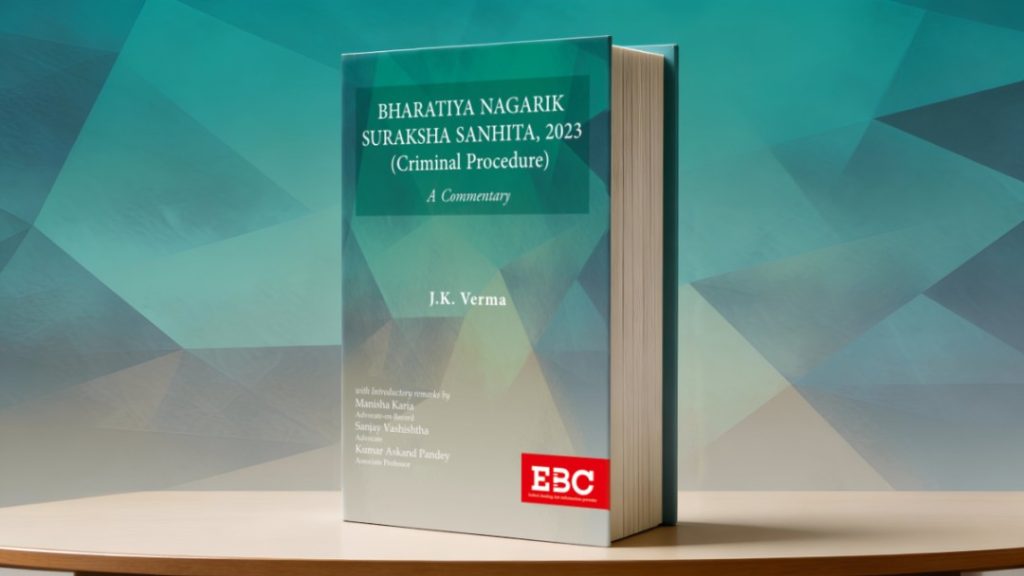
For a long time, criminal law in India mainly focused on the rights of the accused. Victims often felt ignored once a case was registered. The Bharatiya Nagarik Suraksha Sanhita, 2023 (BNSS) has brought important changes to make the criminal justice system more victim-friendly. The new law recognizes that victims deserve respect, protection, information, and participation in the legal process. This article explains, in simple words, the rights of a victim under BNSS in India.
Who Is a Victim Under BNSS?
A victim is a person who has suffered harm because of a crime. The harm may be:
- Physical injury
- Mental or emotional suffering
- Financial loss
- Damage to property
If a person dies due to a crime, their family members are also treated as victims.
Right to Register an FIR
Every victim has the right to lodge a First Information Report (FIR) at a police station.
Under BNSS:
- Police must record information about cognizable offences
- FIR can be registered at any police station (Zero FIR)
- Women victims of certain offences can request that their statement be recorded by a woman police officer
This right ensures that police cannot refuse to record a complaint.
Right to Receive a Free Copy of FIR
After registration of FIR, the victim has the right to get a free copy of the FIR.
This helps the victim:
- Keep record of the complaint
- Follow the progress of the case
- Approach courts if required
Right to Free and Immediate Medical Treatment
Victims of offences such as rape, acid attack, or serious injury are entitled to free medical treatment at government hospitals.
Hospitals cannot delay or deny treatment.
Right to Be Informed About Case Progress
Victims have the right to receive information about important developments such as:
- Arrest of the accused
- Release of the accused
- Filing of charge sheet
- Dates of hearings
This ensures transparency and trust in the system.
Right to Legal Aid
If a victim cannot afford a lawyer, they have the right to free legal assistance through Legal Services Authorities.
This ensures that lack of money does not prevent access to justice.
Right to Be Heard in Court
Victims have the right to:
- Be heard at the time of bail
- Submit objections before important decisions
- Participate through their lawyer
Courts must consider the victim’s viewpoint.
Right to Protection and Privacy
Courts can order measures to protect victims, such as:
- Keeping identity confidential in sensitive cases
- Restricting contact between victim and accused
- Providing police protection where necessary
These safeguards help victims feel safe.
Right to Compensation
Courts may award compensation to victims for:
- Medical expenses
- Loss of earnings
- Physical or mental suffering
States also operate Victim Compensation Schemes to provide financial help.
Right to Speedy Investigation and Trial
BNSS sets timelines for investigation and filing of charge sheets to reduce delays. Faster procedures help victims obtain justice sooner.
Right to Appeal
If a victim is not satisfied with the acquittal of the accused or the sentence imposed, they may file an appeal before a higher court.
Special Protection for Women and Children
Women and child victims receive additional safeguards, including:
- Recording statements in a safe and comfortable place
- Presence of guardian or support person
- In-camera (private) trials in sensitive cases
Why Knowing Victim Rights Is Important
Knowing your rights helps you:
- Stand up against injustice
- Demand proper action
- Avoid harassment or neglect
- Participate confidently in legal proceedings
Frequently Asked Questions (FAQs)
1. Can police refuse to register my FIR?
No. Police must register an FIR for cognizable offences. Refusal is illegal.
2. Do I have to pay for a copy of the FIR?
No. The copy must be provided free of cost.
3. Can I get a lawyer even if I cannot afford one?
Yes. Free legal aid is available through Legal Services Authorities.
4. Will I be informed if the accused is released on bail?
Yes. Victims have the right to be informed about arrest and release of the accused.
5. Can I ask the court to hear my side before bail is granted?
Yes. Courts may hear victims or their lawyers before deciding bail.
6. Can I get compensation even if the accused is not convicted?
Yes. Under State Victim Compensation Schemes, compensation can be granted even without conviction.
7. Is my identity protected in sensitive cases?
Yes. Courts can order that your identity be kept confidential.
8. Can I challenge an acquittal or low sentence?
Yes. Victims have the right to file an appeal before a higher court.
To know more about this topic, you may check out this resource.