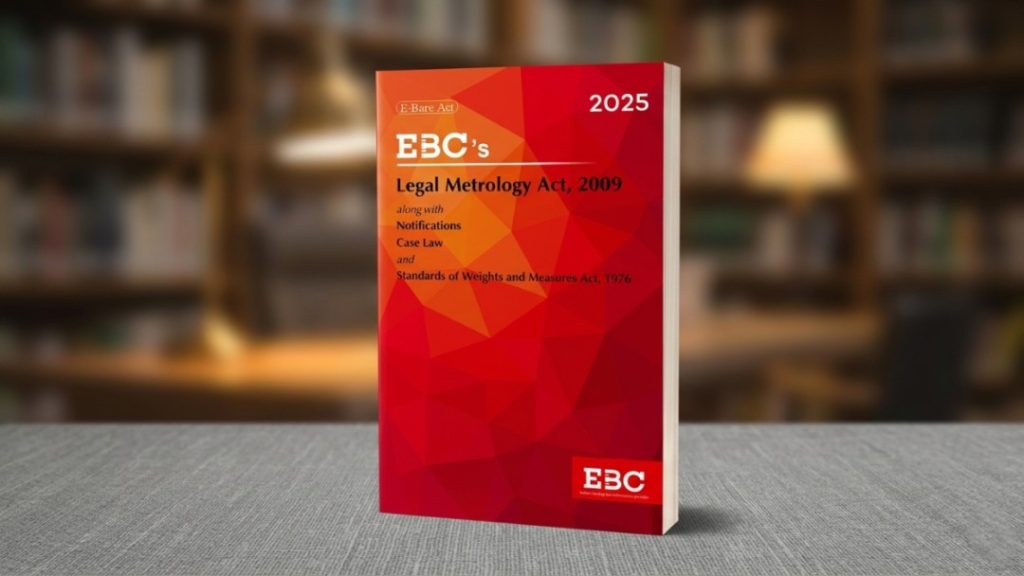
In India, selling products without proper weight, measurement, or labeling can lead to penalties, product seizures, and legal trouble. This is where the Legal Metrology Act becomes important. Whether you are a manufacturer, importer, wholesaler, retailer, or e-commerce seller, understanding Legal Metrology compliance is essential for running a smooth and legally compliant business.
This guide explains the Legal Metrology Act in simple language, covering its purpose, applicability, registration requirements, penalties, and compliance checklist for businesses.
What is the Legal Metrology Act?
The Legal Metrology Act, 2009 is an Indian law that regulates weights, measures, and packaged commodities sold in the market. The main objective of the Act is to protect consumers from unfair trade practices and ensure accuracy in measurement and pricing.
The law applies to:
- Manufacturers
- Importers
- Packers
- Distributors
- Retailers
- E-commerce businesses
The Act is administered by the Department of Consumer Affairs, Government of India.
Why is the Legal Metrology Act Important?
The Legal Metrology Act helps create transparency between businesses and consumers. It ensures that customers receive the exact quantity they pay for and that businesses follow standardized measurement practices.
Key Benefits of Legal Metrology Compliance
- Builds consumer trust
- Prevents unfair trade practices
- Reduces disputes related to quantity and pricing
- Ensures fair competition in the market
- Avoids penalties and legal notices
For businesses, compliance is not just a legal requirement; it also strengthens brand credibility.
Main Objectives of the Legal Metrology Act
The Act was introduced to:
- Standardize weights and measurements across India
- Regulate packaged commodities
- Protect consumer rights
- Prevent misleading packaging and labeling
- Ensure accuracy in weighing and measuring instruments
Who Needs Legal Metrology Registration?
Many businesses are required to obtain Legal Metrology registration or licenses depending on their activities.
Businesses Covered Under the Act
Manufacturers
Businesses manufacturing weighing or measuring instruments.
Importers
Companies importing packaged goods into India.
Packers
Businesses packing products for retail sale.
Dealers and Retailers
Businesses selling packaged commodities or weighing instruments.
E-commerce Sellers
Online sellers dealing in packaged goods must also comply with Legal Metrology labeling rules.
Types of Legal Metrology Licenses and Registrations
1. Manufacturer License
Required for businesses manufacturing weights or measuring instruments.
2. Dealer License
Needed for businesses selling weighing or measuring devices.
3. Repairer License
Mandatory for businesses repairing weighing or measuring equipment.
4. Importer Registration
Importers of packaged commodities must obtain Legal Metrology Importer Registration before selling products in India.
Legal Metrology Rules for Packaged Commodities
Under the Legal Metrology (Packaged Commodities) Rules, packaged goods must contain specific declarations on labels.
Mandatory Label Information
Every packaged product should clearly mention:
- Name and address of manufacturer/importer
- Net quantity of the product
- Maximum Retail Price (MRP)
- Date of manufacture or import
- Customer care details
- Country of origin (for imported products)
- Expiry date where applicable
Missing or incorrect declarations can attract penalties.
Legal Metrology Compliance for E-commerce Businesses
E-commerce platforms and online sellers must ensure that all mandatory declarations are displayed on product listings before purchase.
Online Sellers Must Display
- Product name
- Net quantity
- MRP
- Manufacturer/importer details
- Country of origin
This rule applies to marketplaces as well as direct-to-consumer brands.
Common Violations Under the Legal Metrology Act
Businesses often face notices due to avoidable compliance mistakes.
Common Legal Metrology Offences
- Incorrect product labeling
- Selling underweight products
- Using non-standard weights or measures
- Operating without required registration
- Misleading declarations on packaging
- Failure to verify weighing instruments
Penalties Under the Legal Metrology Act
Non-compliance can result in:
- Monetary fines
- Seizure of goods
- Suspension or cancellation of license
- Legal prosecution
- Business disruption
Repeat offences may attract higher penalties and stricter action from authorities.
Documents Required for Legal Metrology Registration
The required documents may vary depending on the type of license, but commonly include:
- GST registration certificate
- PAN card
- Business registration proof
- Address proof
- Identity proof of applicant
- Product details
- Import Export Code (for importers)
How to Obtain Legal Metrology Registration
Step 1: Identify Applicable License
Determine whether you need manufacturer, dealer, repairer, or importer registration.
Step 2: Prepare Documentation
Collect all required business and product documents.
Step 3: Submit Application
Apply to the concerned Legal Metrology Department.
Step 4: Inspection and Verification
Authorities may inspect premises or verify documents.
Step 5: Grant of License or Registration
Once approved, the registration certificate or license is issued.
FAQs on Legal Metrology Act
What is the purpose of the Legal Metrology Act?
The Legal Metrology Act ensures standardization of weights and measurements and protects consumers from unfair trade practices.
Is Legal Metrology registration mandatory for importers?
Yes, importers of packaged commodities must obtain Legal Metrology Importer Registration before selling products in India.
What happens if a business violates Legal Metrology rules?
Non-compliance can result in penalties, fines, product seizure, cancellation of license, or legal action.
Do e-commerce sellers need to comply with Legal Metrology rules?
Yes, online sellers and marketplaces must display mandatory product declarations such as MRP, quantity, and manufacturer details.
Which products are covered under Legal Metrology laws?
Most packaged commodities sold in India are covered under the Act, including FMCG products, electronics, cosmetics, food items, and household goods.
What is included in packaged commodity labeling requirements?
Labels must generally include manufacturer/importer details, MRP, net quantity, manufacturing date, and customer care information.
How often should weighing instruments be verified?
Weighing and measuring instruments must be periodically verified and stamped as per applicable Legal Metrology rules.
Can small businesses ignore Legal Metrology compliance?
No. Small businesses, retailers, importers, and online sellers must also comply if their activities fall under the Act.
For further reading and detailed analysis, refer to this resource.