Starting a startup often begins with excitement and ideas
But very quickly, confusion takes over
- What should I register?
- Do I even need to register right now
- Everyone is suggesting something different
This decision feels small, but it quietly shapes how your startup grows.
This guide explains the options simply, without legal jargon, so you can move forward with clarity.
Why choosing the right business structure matters?
- Your business structure decides who is responsible if something goes wrong
- It affects how much tax you pay
- It impacts whether investors will take you seriously
- It influences how easy it is to scale, hire, or exit
- Many founders ignore this early on
- Most of them end up fixing it later at a higher cost
- Getting this right early saves time, money, and unnecessary friction.
The main business structure options in India
Let’s break this down one by one.
1. Sole Proprietorship
(Best for solo, small, early experiments)
What it is
You and the business are legally the same. There is no separate company.
Good if:
- You are working alone
- You are testing an idea
- Revenue is small
- Risk is low
Not good because:
- You are personally responsible for losses or legal issues
- Difficult to raise funding
- Limited credibility for serious clients
Think of this as a temporary starting point, not a long-term structure.
2. Partnership Firm
(Rarely recommended for startups)
What it is
Two or more people run a business together under a partnership deed.
Good if:
- Small, traditional business
- Partners trust each other fully
Problems:
- Partners are personally liable
- Disputes are common
- Investors usually avoid it
For startups, this is often more trouble than it’s worth.
3. LLP (Limited Liability Partnership)
(Good balance for small teams)
What it is
A registered structure where the business is separate from the founders, but compliance is lighter than a company.
Good if:
- 2–5 founders
- Professional services or bootstrapped startup
- Moderate risk
- No immediate plan to raise VC funding
Limitations:
- Most venture capital funds don’t prefer LLPs
- ESOPs are difficult
- Conversion to a company later costs time and money
LLP is good for stable, slow-growth businesses, not high-growth startups.
4. Private Limited Company (Pvt Ltd)
(Most common for startups)
What it is
A separate legal entity with shareholders and directors.
Good if:
- You plan to raise funding
- You want credibility
- You want to limit personal risk
- You are building for scale
Downsides:
- Higher compliance
- More paperwork
- Slightly higher cost
Despite the effort, this is the default choice for serious startups. Know more
How to choose the right structure
Ask yourself these questions honestly:
- Am I building this to scale or just to test?
- Will I raise funding in the next 1–2 years?
- How much legal or financial risk is involved?
- Will I have co-founders or employees?
Simple rule of thumb:
- Testing idea alone → Sole Proprietorship
- Small, service-based, bootstrapped → LLP
- Tech, funding, growth-focused → Private Limited Company
Common mistakes new founders make
- Choosing a structure because it’s cheap
- Copying what another startup did
- Ignoring future funding plans
- Not documenting founder roles early
- Thinking “we’ll fix it later” (later is always harder)
Quick FAQ
Can I change my business structure later?
Yes, but it costs time, money, and effort. It’s better to think ahead.
Q2. Is Private Limited mandatory for startups?
No. But it’s preferred if you want funding, ESOPs, or scale.
Q3. Is LLP cheaper than Pvt Ltd?
Yes, initially. But not always cheaper in the long run if you plan to grow.
Q4. Do I need a lawyer to decide this?
Not always, but a short consultation can prevent long-term mistakes.
By understanding and avoiding these common mistakes, you protect your startup from unnecessary risks and create a business investors can trust.
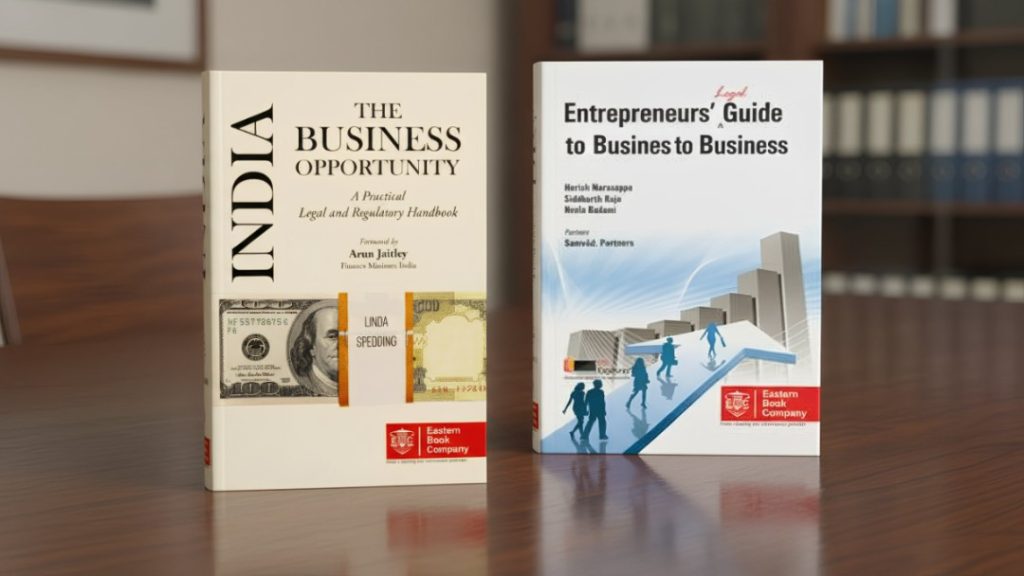
To gain much deeper knowledge about the topic, you may check out these: