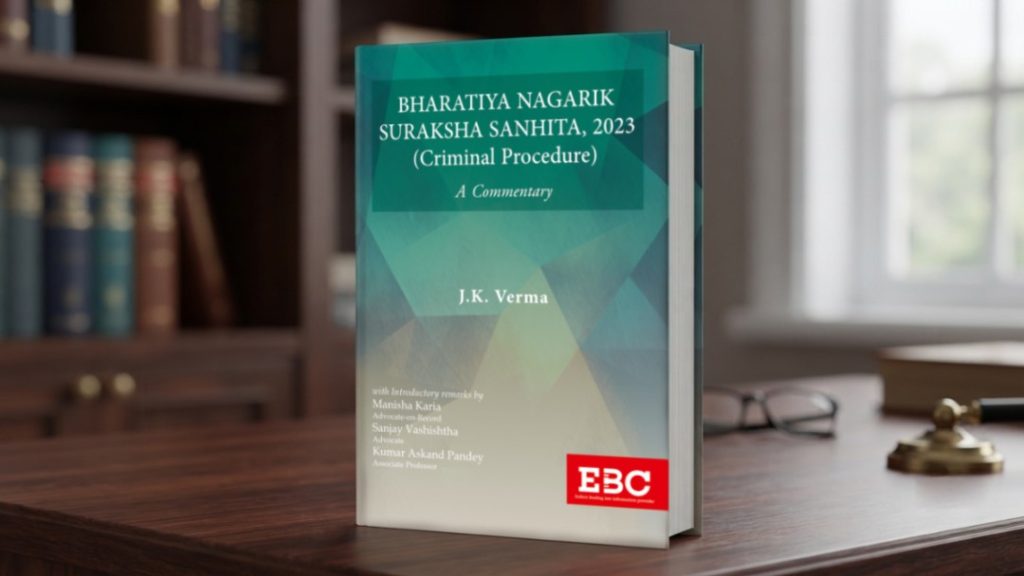
The Bharatiya Nagarik Suraksha Sanhita, 2023 (BNSS) has replaced the Code of Criminal Procedure, 1973 (CrPC) and introduced several reforms aimed at making criminal investigations more efficient, transparent, and technology-driven. The new law emphasizes the use of forensic science, digital records, electronic communication, and stricter timelines to improve the criminal justice system.
Whether you are a law student, legal professional, judiciary aspirant, or simply someone interested in understanding criminal procedure, knowing how a police investigation works under the BNSS is essential. This guide explains the investigation process in simple language while highlighting the major procedural changes introduced by the BNSS.
What Is a Police Investigation?
A police investigation is the process through which the police collect evidence to determine whether a criminal offence has been committed, identify the offender, and gather sufficient material for prosecution before a court.
The investigation begins after the registration of a First Information Report (FIR) in the case of a cognizable offence or upon receiving the necessary permission from a Magistrate in certain non-cognizable cases.
Its primary objectives are to:
- Discover whether an offence has been committed.
- Identify the accused.
- Collect documentary, physical, forensic, and electronic evidence.
- Record witness statements.
- Arrest the accused when necessary.
- Submit a final report or charge sheet to the court.
Step 1: Registration of FIR
The investigation generally begins with the registration of an FIR for a cognizable offence.
Under the BNSS, the law recognizes greater use of technology in filing complaints. Certain complaints may be received through electronic means, subject to compliance with the prescribed procedure.
The FIR contains details such as:
- Nature of the offence
- Date and place of occurrence
- Names of accused (if known)
- Details of the complainant
- Brief description of the incident
Once registered, the police gain the authority to investigate the offence.
Step 2: Visit to the Crime Scene
After registering the FIR, the Investigating Officer (IO) visits the place where the offence occurred.
During this stage, the officer may:
- Secure the crime scene.
- Collect physical evidence.
- Prepare a site plan.
- Photograph and videograph the scene.
- Seize relevant articles.
- Record observations.
Proper preservation of evidence is crucial for ensuring a fair trial.
Step 3: Collection of Evidence
Evidence is the backbone of every criminal investigation.
Under the BNSS, investigators are encouraged to rely on both traditional and modern forms of evidence.
These include:
- Documentary evidence
- Physical evidence
- Digital evidence
- CCTV footage
- Mobile phone records
- Email and social media records
- Financial records
- Electronic devices
- Forensic reports
The increasing recognition of electronic evidence reflects the growing role of technology in criminal investigations.
Step 4: Recording Statements of Witnesses
The Investigating Officer records statements of witnesses who may have knowledge of the incident.
Witness statements help the police:
- Understand how the offence occurred.
- Identify suspects.
- Corroborate other evidence.
- Reconstruct the sequence of events.
Witnesses are expected to provide truthful information during the investigation.
Step 5: Forensic Investigation
One of the most significant reforms introduced by the BNSS is the greater emphasis on forensic science.
For certain serious offences punishable with imprisonment of seven years or more, forensic experts are required to visit the crime scene for evidence collection.
Forensic investigation may include:
- DNA analysis
- Fingerprint examination
- Ballistic examination
- Cyber forensic analysis
- Biological evidence
- Chemical examination
The objective is to improve accuracy and reduce wrongful convictions.
Step 6: Search and Seizure
During the investigation, the police may conduct searches to recover evidence relevant to the case.
Searches may involve:
- Houses
- Offices
- Vehicles
- Electronic devices
- Bank records
- Digital storage devices
All searches must follow the procedure prescribed under the BNSS to ensure legality and protect individual rights.
Step 7: Arrest of the Accused (When Necessary)
If sufficient grounds exist, the police may arrest the accused according to the provisions of the BNSS.
However, arrest is not automatic merely because an FIR has been registered.
The police must consider factors such as:
- Nature of the offence
- Possibility of absconding
- Likelihood of tampering with evidence
- Threat to witnesses
- Requirement for custodial interrogation
The BNSS continues to emphasize safeguards against unnecessary arrests.
Step 8: Custodial Interrogation
Where required, the accused may be questioned while in lawful police custody.
The purpose of interrogation is to:
- Verify facts
- Recover stolen property
- Discover additional evidence
- Identify co-accused
- Clarify inconsistencies
The constitutional rights of the accused continue to apply throughout the investigation.
Step 9: Case Diary
Throughout the investigation, the Investigating Officer maintains a case diary recording every important step taken.
The diary generally contains:
- Dates of investigation
- Witnesses examined
- Evidence collected
- Searches conducted
- Arrest details
- Progress of investigation
The case diary assists the court in understanding the progress of the investigation.
Step 10: Completion of Investigation
After collecting all available evidence, the police conclude the investigation.
At this stage, they evaluate whether sufficient evidence exists against the accused.
If additional investigation becomes necessary, further investigation may also be conducted in accordance with the law.
Step 11: Filing of Charge Sheet or Final Report
The investigation concludes with the submission of a report to the competent court.
This may be:
Charge Sheet
A charge sheet is filed when sufficient evidence exists to prosecute the accused.
It generally includes:
- Details of the accused
- Nature of offence
- List of witnesses
- Documents relied upon
- Seized articles
- Expert opinions
Final Report (Closure Report)
If insufficient evidence is found, the police may submit a closure report before the Magistrate.
The court ultimately decides whether to accept the report or direct further action.
Technology-Driven Changes Introduced by BNSS
The BNSS seeks to modernize criminal investigations through greater use of technology.
Some notable reforms include:
- Increased use of electronic communication.
- Greater acceptance of digital records.
- Mandatory forensic investigation for specified serious offences.
- Audio-video recording in appropriate stages of investigation.
- Improved coordination between investigating agencies and forensic experts.
These reforms aim to make investigations faster, more transparent, and more reliable.
Frequently Asked Questions (FAQs)
The investigation usually begins with the registration of an FIR for a cognizable offence.
For cognizable offences, investigation generally follows the registration of an FIR. In certain situations involving non-cognizable offences, police require the Magistrate’s permission before investigating.
Yes. The BNSS mandates the use of forensic experts for the investigation of offences punishable with imprisonment of seven years or more, reflecting a significant procedural reform.
Yes. Digital evidence such as CCTV footage, emails, mobile phone records, electronic documents, and other electronic records plays an important role in investigations under the BNSS.
No. Registration of an FIR does not automatically mean the accused will be arrested. The police must assess whether an arrest is necessary based on the facts of the case and the requirements of the law.
The police submit either a charge sheet if sufficient evidence is available or a closure report if the evidence is insufficient. The competent court then decides the next course of action.
For further reading and detailed analysis, refer to this resource.