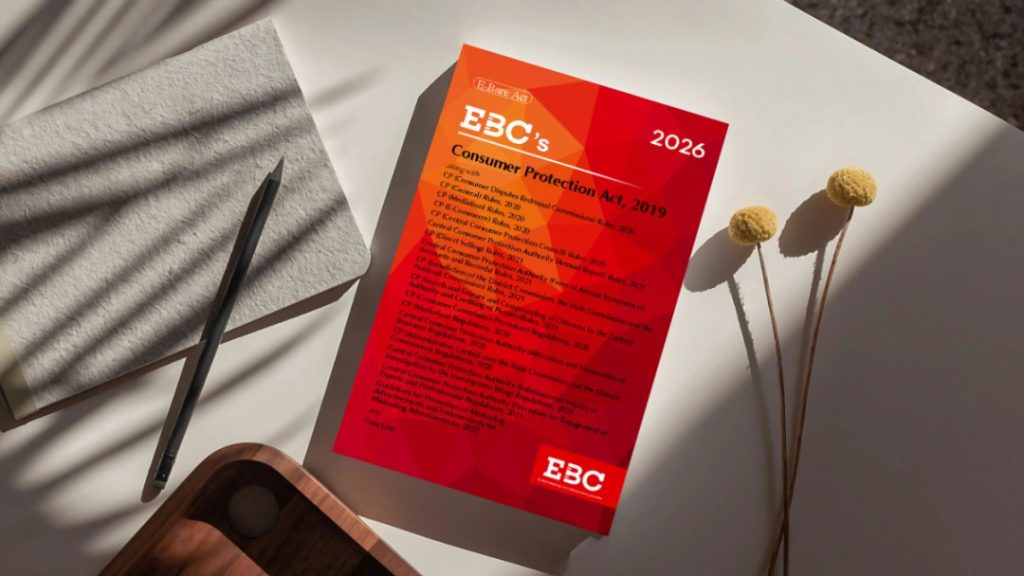
Online shopping has become a part of everyday life in India. Platforms like Amazon and Flipkart offer convenience, variety, and competitive pricing. However, with this growth, issues like fake products, delayed deliveries, misleading advertisements, and data misuse have also increased.
This raises an important question:
Are consumers truly protected in the digital marketplace?
What Are E-commerce Laws in India?
E-commerce laws refer to the legal rules that regulate online buying and selling. These laws aim to:
- Protect consumer rights
- Ensure fair trade practices
- Hold platforms accountable
India does not have a single dedicated e-commerce law. Instead, regulation is based on multiple legal frameworks.
Key Laws Governing E-commerce in India
➤ Consumer Protection Act, 2019
This is the main law protecting consumers. It covers:
- Unfair trade practices
- Product liability
- Consumer disputes
➤ Consumer Protection (E-Commerce) Rules, 2020
These rules specifically apply to online platforms.
Key provisions include:
- Mandatory display of seller information
- Clear return and refund policies
- Prohibition of misleading advertisements
- Appointment of grievance officers
➤ Information Technology Act, 2000
This law governs digital transactions and cyber issues. It provides:
- Legal recognition to online contracts
- Protection against cyber fraud
➤ Role of Central Consumer Protection Authority
The authority ensures:
- Action against false advertisements
- Penalties for unfair practices
- Protection of consumer interests
Consumer Rights in Online Shopping
Consumers in India enjoy the following rights in e-commerce:
- Right to Information – Accurate product details and pricing
- Right to Safety – Protection from defective or harmful goods
- Right to Redressal – Easy complaint and refund mechanisms
- Right against Unfair Practices – Protection from fraud and deception
These rights apply equally to online and offline transactions.
Common Issues Faced by Online Consumers
➤ Fake or Defective Products
Customers often receive products that do not match descriptions.
➤ Misleading Advertisements
Discounts and offers may not always be genuine.
➤ Refund and Return Problems
Delayed refunds and strict policies create inconvenience.
➤ Data Privacy Concerns
Personal data may be collected and used without clear consent.
➤ Fake Reviews and Ratings
Manipulated reviews influence purchasing decisions.
Challenges in E-commerce Regulation
➤ Enforcement Issues
Laws exist, but implementation can be slow.
➤ Cross-border Transactions
Difficult to regulate foreign sellers.
➤ Lack of Awareness
Many consumers are unaware of their rights.
➤ Platform Liability Confusion
Unclear whether platforms are fully responsible for sellers.
Frequently Asked Questions (FAQs)
1. What laws protect online consumers in India?
The main laws include the Consumer Protection Act, 2019, E-Commerce Rules 2020, and the IT Act, 2000.
2. Can I file a complaint for an online purchase?
Yes, you can file complaints through consumer courts or online grievance portals.
3. Are e-commerce platforms responsible for sellers?
They are required to ensure compliance, but liability depends on specific circumstances
4. What should I do if I receive a fake product?
You can request a refund, file a complaint, or approach consumer authorities.
5. Is online shopping safe in India?
Yes, but consumers should stay informed and cautious while shopping online.
For further reading and detailed analysis, refer to this resource.