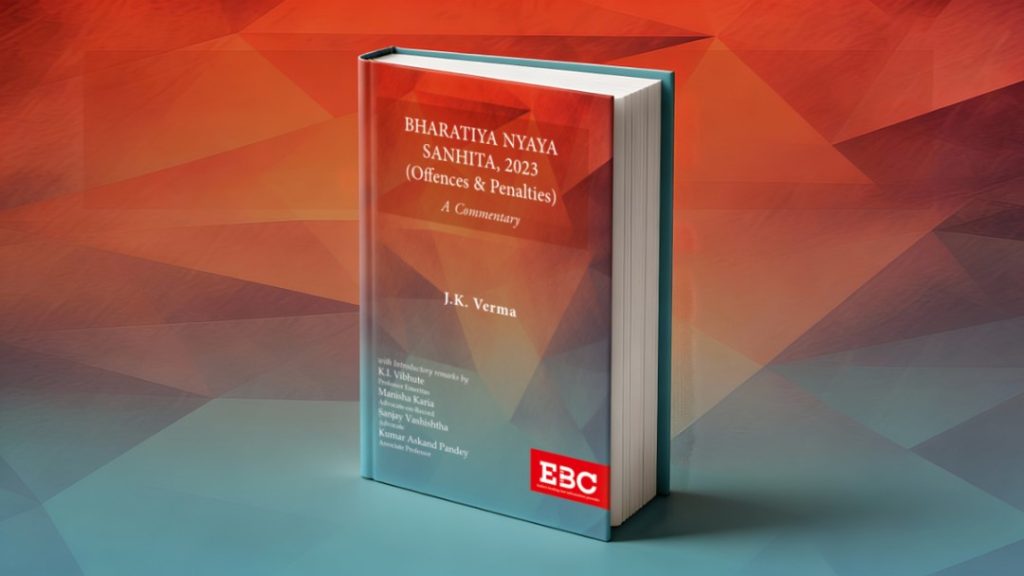
India’s criminal laws went through a historic change in 2023. The old IPC (Indian Penal Code)—which had been in force since 1860, was replaced by the Bharatiya Nyaya Sanhita, 2023 (BNS).
The goal?
- Modern laws for modern India
- Faster justice
- Stronger protection for citizens
You don’t need to be a lawyer to understand the BNS. But knowing a few key sections can protect you, empower you, and help you respond better in real-life situations.
Below are some BNS sections every Indian should know, explained in plain language.
1. Section 103 – Punishment for Murder
What it means:
If a person intentionally causes someone’s death, it is considered murder.
Punishment:
- Death penalty or
- Life imprisonment
- Fine may also be imposed
Why this matters:
This section replaces IPC 302 and continues to treat murder as one of the gravest crimes in India.
2. Section 85 – Dowry Death
What it means:
If a woman dies due to cruelty or harassment for dowry within 7 years of marriage, it is treated as dowry death.
Punishment:
- Minimum 7 years imprisonment
- May extend to life imprisonment
Why this matters:
Dowry harassment remains a harsh reality. This section ensures strict accountability for such crimes.
3. Section 63 – Rape
What it means:
Sexual intercourse without consent, or under coercion, deception, or incapacity, is rape.
Punishment:
- Minimum 10 years imprisonment
- May extend to life imprisonment
What’s important:
The BNS keeps the focus on consent and strengthens protection for women, especially minors.
Section 69 – Sexual Intercourse by Deceitful Means
What it means:
If a person engages in sexual relations by false promises (like fake marriage promises) or by hiding identity, it is punishable.
Punishment:
- Up to 10 years imprisonment
- Fine
Why this is important:
This section directly addresses cases where consent is obtained through fraud or manipulation.
5. Section 106 – Causing Death by Negligence
What it means:
If someone causes death due to rash or negligent acts (like reckless driving), it is punishable.
Punishment:
- Up to 5 years imprisonment
- Fine
Big change:
Stricter punishment compared to the old IPC, especially relevant for road accidents.
6. Section 109 – Attempt to Murder
What it means:
If someone tries to kill another person but fails, it is still a serious offence.
Punishment:
- Up to 10 years imprisonment
- Life imprisonment if injury is caused
Why it matters:
The law focuses on intention, not just the outcome.
Section 115 – Voluntarily Causing Hurt
What it means:
Causing physical pain, injury, or harm intentionally.
Punishment:
- Up to 1 year imprisonment
- Fine or both
Common examples:
Physical fights, assaults during arguments, road rage incidents.
8. Section 152 – Acts Endangering Sovereignty, Unity & Integrity of India
What it means:
Acts that threaten India’s unity or promote separatism or armed rebellion.
Punishment:
- Life imprisonment or imprisonment up to 7 years
- Fine
Important note:
This section replaces sedition-related provisions with clearer and narrower language.
9. Section 318 – Cheating
What it means:
Dishonestly deceiving someone to gain money, property, or advantage.
Punishment:
- Up to 5 years imprisonment
- Fine
Real-life relevance:
Online frauds, fake job offers, scam calls, and financial cheating fall here.
10. Section 351 – Criminal Intimidation
What it means:
Threatening someone with injury to person, property, or reputation.
Punishment:
- Up to 2 years imprisonment
- More severe punishment if threat involves death or serious harm
Common cases:
Blackmail, threats over phone or social media, workplace intimidation.
Why Knowing These Sections Matters
You may never step inside a courtroom—but:
- Knowing the law helps you stand your ground
- Prevents panic during police or legal situations
- Helps you identify crimes early
- Makes you a more informed citizen