Adoption in India is not governed by a single uniform law. Instead, it is regulated by different legal frameworks depending on a person’s religion, along with a secular statute that anyone can use regardless of faith. This plural system reflects India’s personal law structure, where family matters such as marriage, inheritance, and adoption are often religion-specific.
Here’s a clear, structured guide to how adoption works across communities.
Why Adoption Laws Differ in India
Indian personal laws historically developed from religious customs. As a result:
- Some religions recognize full legal adoption
- Others allow only guardianship
- One law provides a religion-neutral option
Understanding these differences is crucial because the legal status of the child and parents can change depending on which law applies.
1. Hindu Law (Includes Buddhists, Jains, Sikhs)
Under the Hindu legal framework:
Key Features
- Full legal adoption is allowed
- An adopted child becomes the biological child in the eyes of law
- Child gains inheritance rights equal to natural children
- Adoption is irrevocable
Eligibility
- Married couples or single individuals can adopt
- Consent of spouse required if married
Important Note:
Once adopted, the child legally severs ties with the biological family and becomes part of the adoptive family for all purposes.
2. Muslim Law
Traditional Muslim personal law does not recognize adoption as full legal adoption in the same sense as Hindu law.
Instead, it recognizes:
Guardianship (Kafala-type arrangement)
- Child remains legally linked to biological parents
- No automatic inheritance rights
- Child keeps original family name
- Guardian can provide care and upbringing
However, Muslims who want full legal adoption can adopt under the secular statute discussed later.
3. Christian Law
Christian personal law in India does not historically provide a formal adoption statute.
Therefore, Christians typically adopt through:
- the secular adoption law (preferred option), or
- guardianship provisions under general law
Without using the secular adoption statute, guardianship does not grant full parental status or inheritance rights.
4. Parsi Law
Parsi personal law also lacks a codified adoption framework.
So Parsis generally adopt the following:
- secular adoption law (for full adoption rights), or
- guardianship law (limited rights)
5. The Secular Option (Available to All Religions)
India provides a religion-neutral adoption law that any citizen can use, regardless of faith.
Advantages
- Grants full legal parent-child status
- Child gets inheritance rights
- Adoption recognized across India and internationally
- Applies to interfaith couples
Because it offers complete legal protection, this route is increasingly preferred across communities.
Major Differences at a Glance
| Religion | Full Adoption Allowed | Only Guardianship | Inheritance Rights |
|---|---|---|---|
| Hindu | Yes | No | Yes |
| Muslim | No (personal law) | Yes | No |
| Christian | No (personal law) | Yes | No |
| Parsi | No (personal law) | Yes | No |
| All religions (secular law) | Yes | — | Yes |
FAQ
Can people of any religion legally adopt in India?
Yes. The secular adoption statute allows individuals of any religion to adopt with full legal rights.
Is guardianship the same as adoption?
No. Guardianship gives custody and responsibility but does not create a permanent legal parent-child relationship.
Can a single person adopt?
Yes, subject to eligibility conditions such as age and financial stability.
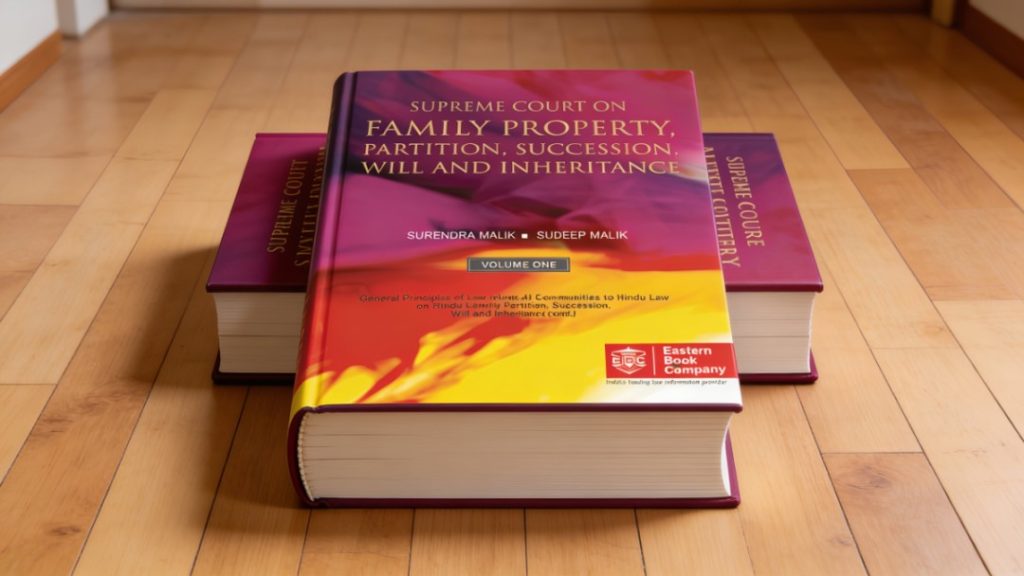
To dive deeper into the topic, you may check out this book.