Where These Offences Are Defined
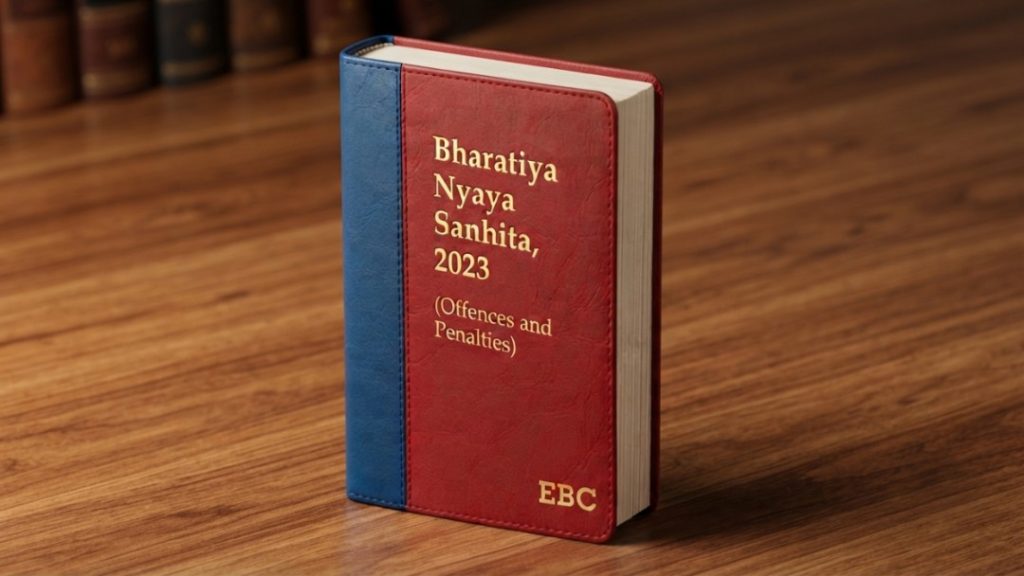
Offences relating to documents and property marks were originally codified in Chapter XVIII of the Indian Penal Code, 1860 (IPC), covering Sections 463 to 489E. With the enactment of the Bharatiya Nyaya Sanhita, 2023 (BNS), which replaced the IPC from July 2024, these offences now appear in Chapter XVIII of the BNS as well, largely retaining the same structure with renumbered sections.
Both statutes group the offences into two broad categories:
- Offences relating to documents (forgery and related acts)
- Offences relating to property and other marks (counterfeiting marks used to denote ownership, quality, or origin)
Offences Relating to Documents
What Is Forgery
Forgery is defined as making a false document or false electronic record, or part of one, with the intent to cause damage or injury, to support a claim, or to commit fraud. The key ingredient is dishonest or fraudulent intention at the time of making the document, not merely the falsity of the document itself.
A person who makes a false document, and a person who fraudulently uses a document knowing it to be forged, can both be held liable, though the specific offence charged may differ.
Key Provisions Under the Documents Chapter
- Making a false document with fraudulent intent
- Forgery for the purpose of cheating
- Forgery to harm reputation
- Forgery of a will, authority to adopt, or valuable security
- Forgery of a court record or public register
- Making a false document appear to be made by a public servant in his official capacity
- Using a forged document as genuine, knowing it to be forged
- Possessing a forged document with intent to use it as genuine
- Making or possessing counterfeit seals, plates, or other instruments used for forgery
Punishment for Document-Related Offences
Punishment varies depending on the nature and object of the forgery. Ordinary forgery is punishable with imprisonment of up to two years, a fine, or both. Forgery of valuable security, a will, or an authority to adopt a child attracts a significantly higher punishment, up to life imprisonment in serious cases, reflecting the higher potential harm involved.
Offences Relating to Property Marks
A property mark is any mark used to denote that property belongs to a particular person, or any mark used by manufacturers to indicate the origin, quality, or genuineness of goods, distinct from a trademark under the Trade Marks Act, 1999.
Key Provisions
- Using a false property mark with intent to cause damage
- Counterfeiting a property mark used by another person
- Making or possessing instruments for counterfeiting property marks
- Selling goods marked with a counterfeit property mark
- Altering, removing, or destroying a property mark with fraudulent intent
Punishment
Offences relating to property marks generally carry imprisonment of up to one year, a fine, or both, though counterfeiting for repeated or commercial-scale misuse can attract enhanced penalties under related consumer protection and trademark laws.
Comparison Table: Documents vs Property Marks Offences
| Aspect | Document Offences | Property Mark Offences |
|---|---|---|
| Core Act | IPC Ch. XVIII / BNS Ch. XVIII | IPC Ch. XVIII / BNS Ch. XVIII |
| Nature of Harm | Fraud, cheating, reputational harm | Consumer deception, commercial loss |
| Maximum Punishment | Up to life imprisonment (for wills, valuable security) | Generally up to 1-3 years imprisonment |
| Related Laws | Evidence Act, IT Act (electronic records) | Trade Marks Act, 1999; Consumer Protection Act, 2019 |
| Common Example | Forged signature on a deed or cheque | Fake branding on counterfeit goods |
Frequently Asked Questions
Forgery involves creating a false document, while cheating involves deceiving someone to gain an advantage. The two often overlap but are separate offences.
This depends on the specific section invoked. Simple forgery is often bailable, while forgery of valuable security or a will is typically non-bailable due to its severity.
Yes, both the IPC and BNS extend the definition of a document to include electronic records, allowing prosecution for digitally forged material.
It is any mark used to indicate ownership of property or the origin and quality of goods, distinct from a registered trademark.
Yes, both the individuals responsible and the company can face liability, along with separate consequences under trademark and consumer protection laws.
Curious for more? This reference book has it.