The Constitution of India provides several safeguards to protect the rights of citizens. One of the most powerful among them is Article 226, which empowers High Courts to issue writs for the enforcement of fundamental rights and other legal rights. Often referred to as the “constitutional remedy” available at the state level, Article 226 plays a crucial role in ensuring that public authorities act within the limits of law.
Whether it is unlawful detention, arbitrary government action, denial of a legal right, or failure of a public authority to perform its duty, a citizen may approach the High Court through a writ petition under Article 226.
In this article, we explain the powers of High Courts under Article 226, the different types of writs, and the circumstances in which a writ petition can be filed.
What Is Article 226?
Article 226 of the Constitution of India empowers every High Court to issue directions, orders, or writs to any person, authority, or government within its territorial jurisdiction.
The provision is broader than Article 32, which allows individuals to approach the Supreme Court directly for the enforcement of fundamental rights.
Under Article 226, a High Court can intervene not only when a fundamental right is violated but also when any other legal right is infringed.
Why Is Article 226 Important?
Article 226 serves as an important mechanism for:
- Protecting citizens against arbitrary government action
- Ensuring accountability of public authorities
- Enforcing legal and constitutional rights
- Providing speedy judicial remedies
- Upholding the Rule of Law
High Courts use this power to review administrative decisions and ensure that government bodies act fairly and within the law.
What Is a Writ Petition?
A writ petition is a formal application made to a High Court or the Supreme Court seeking a constitutional remedy against unlawful actions by public authorities.
When a person believes that a government authority, public official, tribunal, or quasi-judicial body has violated their rights or acted beyond its powers, they may file a writ petition.
Types of Writs Under Article 226
Indian High Courts can issue five traditional writs derived from English common law.
1. Habeas Corpus
Meaning: “Produce the body”
This writ is issued when a person is unlawfully detained or imprisoned.
Example: If an individual is detained without legal authority, family members may approach the High Court seeking their release.
2. Mandamus
Meaning: “We command”
This writ directs a public authority to perform a duty that it is legally obligated to perform.
Example: If a government department refuses to process an application despite a statutory obligation, the High Court may issue a writ of mandamus.
3. Certiorari
This writ is used to quash an order passed by a lower court, tribunal, or authority when it has acted without jurisdiction or violated principles of natural justice.
Example: If a tribunal passes an order without giving a party an opportunity to be heard.
4. Prohibition
This writ prevents a lower court or tribunal from continuing proceedings that exceed its jurisdiction.
Example: If a tribunal begins hearing a matter outside its legal authority.
5. Quo Warranto
Meaning: “By what authority?”
This writ questions the legality of a person’s claim to a public office.
Example: If a person is appointed to a public position without meeting statutory qualifications.
When Can You File a Writ Petition Under Article 226?
A writ petition may be filed when:
Violation of Fundamental Rights
If a government action infringes rights guaranteed under Part III of the Constitution.
Violation of Legal Rights
Even if no fundamental right is involved, a writ petition may be maintainable where a legal right has been violated.
Arbitrary Administrative Action
When public authorities act unfairly, irrationally, or without authority.
Lack of Jurisdiction
If a tribunal or authority exceeds the powers granted to it by law.
Failure to Perform Public Duty
When a public authority neglects or refuses to discharge its statutory obligations.
Violation of Natural Justice
For example, where a person is not given an opportunity to be heard before an adverse decision is made.
Who Can File a Writ Petition?
The following may generally file a writ petition:
- Any person whose rights have been violated
- Legal representatives
- Public-spirited individuals in appropriate cases
- Organizations affected by unlawful action
- Petitioners filing Public Interest Litigation (PIL), where applicable
Frequently Asked Questions (FAQs)
Article 226 empowers High Courts to issue writs, directions, and orders for the enforcement of fundamental rights and other legal rights.
Article 226 can be used to enforce both fundamental and legal rights, whereas Article 32 is limited to the enforcement of fundamental rights before the Supreme Court.
Generally, writs are issued against public authorities. However, in certain cases involving public duties, writ jurisdiction may extend beyond traditional government bodies.
A petition should be filed before the High Court that has territorial jurisdiction over the respondent authority or where the cause of action arose.
Compared to lengthy civil litigation, writ proceedings are often considered a quicker and more effective constitutional remedy, though legal costs may vary depending on the case.
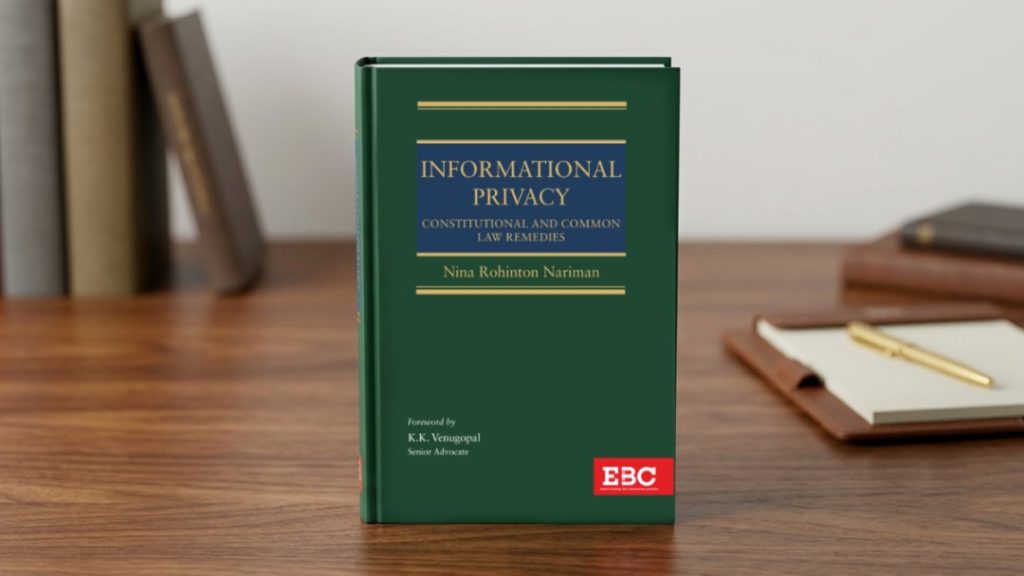
For further reading and detailed analysis, refer to this resource.