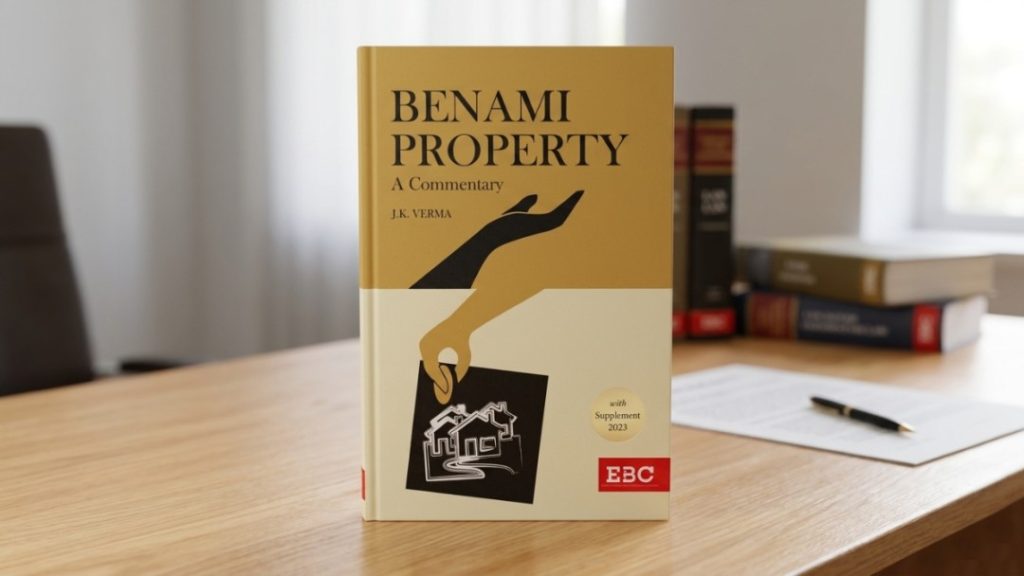
Are You the Real Owner of Your Property in the Eyes of the Law?
Property ownership can sometimes be more complicated than it appears on paper. Many people assume that the person whose name appears in the property records is automatically the true owner. However, Indian law recognizes situations where the person paying for the property and the person holding legal title may be different individuals.
This distinction becomes especially important when questions arise about benami property, family arrangements, inheritance disputes, tax compliance, or property transactions. A misunderstanding can lead to serious legal and financial consequences, including investigation, attachment, or confiscation of property under the Prohibition of Benami Property Transactions Act, 1988.
If you are buying property, managing family assets, or simply trying to understand your rights, this guide explains the difference between benami property and legal ownership in clear and practical terms.
Quick Answer: Benami Property vs Legal Ownership
Legal ownership refers to a situation where the person whose name appears on the property records is recognized by law as the owner and enjoys all legal rights associated with the property.
Benami property, on the other hand, generally involves a property held in one person’s name while the consideration for the property has been provided by another person for that person’s benefit. Such arrangements may attract the provisions of the Prohibition of Benami Property Transactions Act, 1988.
In simple terms, legal ownership promotes transparency, while a benami transaction may conceal the identity of the real beneficiary.
Understanding Legal Ownership
Legal ownership is the foundation of property rights in India.
A legally recognized owner generally:
- Holds title to the property.
- Has the right to possess and use the property.
- Can sell, lease, mortgage, or transfer the property.
- Is responsible for taxes and legal obligations associated with the property.
Example
Suppose A purchases a house using their own funds, registers the property in their own name, and maintains all ownership records. In this case, A is both the legal and beneficial owner of the property.
This is a straightforward and legally recognized ownership structure.
What Is Benami Property?
The term “benami” literally means “without a name” or “in another’s name.”
A benami transaction generally involves:
- One person providing the purchase money.
- Another person holding the property in their name.
- The property being held for the benefit of the person who paid for it.
Example
Suppose B purchases a commercial property using their own funds but registers it in the name of C while retaining the benefits and control over the property.
Depending on the facts and applicable legal exceptions, authorities may examine whether the arrangement constitutes a benami transaction.
Key Differences Between Benami Property and Legal Ownership
1. Source of Funds
In legal ownership, the registered owner typically provides the consideration for the property.
In a benami arrangement, the purchase money may come from someone other than the registered owner.
2. Beneficial Interest
A legal owner enjoys both legal title and the benefits arising from the property.
In a benami transaction, the benefits may flow to a different person than the one whose name appears in official records.
3. Transparency
Legal ownership promotes transparency and accountability.
Benami arrangements often raise concerns regarding concealment of ownership and financial interests.
4. Legal Consequences
Legal ownership is generally protected by law.
Benami property may be subject to investigation, attachment, and confiscation under applicable legal provisions if found to violate the law.
What to Do Next
If you are involved in a property transaction, consider the following steps:
1. Verify the Source of Funds
Maintain records showing who paid for the property and how the payment was made.
2. Keep Ownership Documents Organized
Preserve sale deeds, registration records, bank statements, and tax documents.
3. Avoid Informal Ownership Arrangements
Do not rely on verbal understandings regarding ownership rights.
4. Review Existing Property Holdings
If property is held in another person’s name, assess whether the arrangement complies with current legal requirements.
5. Seek Professional Advice
Consult a qualified legal or tax professional before entering into complex property transactions.
Want to dive deeper? Check out this resource for more insights.