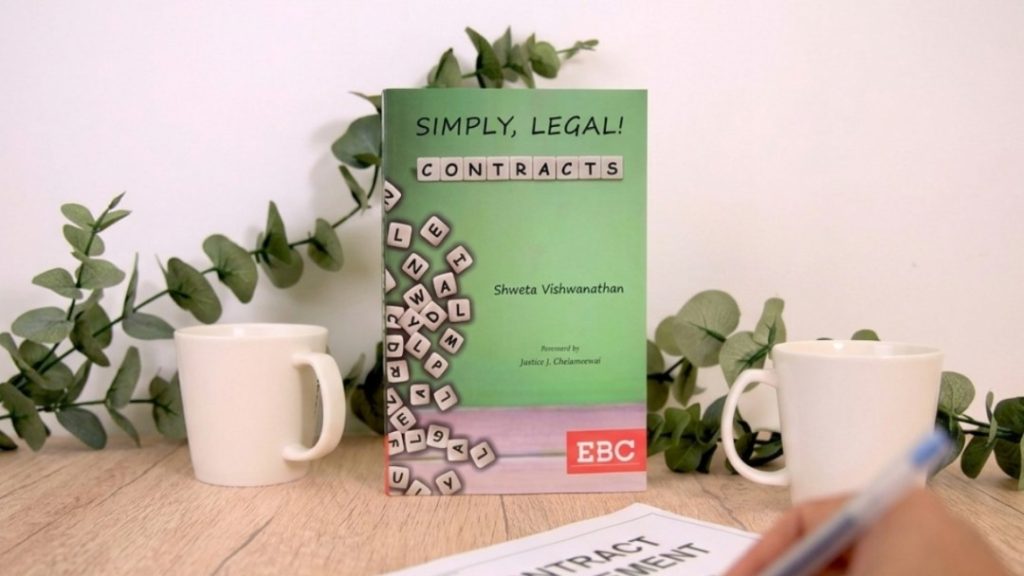
Free consent is one of the most important elements of a valid contract. In contract law, an agreement becomes legally enforceable only when both parties willingly agree to the same thing in the same sense. If consent is obtained through pressure, fraud, misunderstanding, or unfair influence, the contract may not be legally valid.
For law students, judiciary aspirants, and beginners studying contract law, understanding the concept of free consent is essential because it forms the foundation of fair and lawful agreements.
This article explains the meaning of free consent, its importance, elements, and factors affecting it in simple language.
What is Consent in Contract Law?
Consent means agreeing upon the same thing in the same sense. In simple words, both parties must clearly understand and accept the terms of the agreement.
Example:
If A agrees to sell his car to B for ₹5 lakh and B agrees to buy the same car for the same amount, both parties have given consent.
This is often referred to as:
“Consensus ad idem”
or
“Meeting of minds.”
What is Free Consent?
Consent is said to be free when it is not caused by:
- coercion,
- undue influence,
- fraud,
- misrepresentation,
- or mistake.
When parties enter into a contract voluntarily and with full understanding, the consent is considered free.
If free consent is absent, the contract may become:
- void,
- voidable,
- or unenforceable.
Importance of Free Consent in Contract Law
Free consent is important because it:
- ensures fairness in agreements,
- protects parties from exploitation,
- promotes genuine transactions,
- and maintains trust in contractual relationships.
Without free consent, one party may suffer unfair loss or enter into an agreement against their will.
Elements Affecting Free Consent
Several factors can affect free consent in a contract. These are important concepts under contract law.
1. Coercion
Coercion means forcing a person to enter into a contract through threats, pressure, or unlawful acts.
Example:
A threatens to harm B unless B signs a contract.
In such a case, B’s consent is not free because it was obtained through pressure.
Key Point:
A contract caused by coercion is generally voidable at the option of the aggrieved party.
2. Undue Influence
Undue influence occurs when one party uses their dominant position to unfairly influence another person.
This usually happens in relationships involving:
- trust,
- authority,
- or dependency.
Example:
A doctor persuading a patient to transfer property unfairly.
The law protects weaker parties from exploitation in such situations.
3. Fraud
Fraud involves intentional deception to induce another person into a contract.
Example:
Selling a damaged product while knowingly hiding defects.
Fraud includes:
- false statements,
- concealment of important facts,
- and intentional dishonesty.
A contract based on fraud may be cancelled by the affected party.
4. Misrepresentation
Misrepresentation occurs when false information is given without fraudulent intention.
Unlike fraud, there is no deliberate intention to deceive.
Example:
A seller honestly but incorrectly claims that a machine is brand new.
Even though the statement was made innocently, it may still affect free consent.
5. Mistake
A mistake occurs when parties misunderstand an important fact related to the agreement.
Mistakes may be:
- mistake of fact,
- or mistake of law.
Example:
Both parties enter into a contract believing a specific item exists, but it had already been destroyed.
Certain mistakes can make a contract void.
Difference Between Coercion, Fraud and Misrepresentation
| Basis | Coercion | Fraud | Misrepresentation |
| Nature | Force or threat | Intentional deception | Innocent false statement |
| Intention | To deceive | No intention to deceive | |
| Use of Pressure | Yes | No | No |
| Effect on Consent | Consent not free | Consent not free | Consent not free |
When is Consent Considered Free?
Consent is considered free when:
- parties act voluntarily,
- there is no force or deception,
- both parties understand the agreement,
- and there is genuine willingness to contract.
Free consent reflects fairness and equality in contractual relationships.
Why Law Protects Free Consent
Contract law protects free consent because agreements should be based on:
- fairness,
- honesty,
- equality,
- and voluntary participation.
If stronger parties are allowed to misuse power or deceive others, contractual relationships would become unfair and unreliable.
Frequently Asked Questions (FAQs)
Free consent means consent given voluntarily without coercion, undue influence, fraud, misrepresentation, or mistake.
Free consent ensures fairness and legality in agreements and protects parties from exploitation or deception.
The main factors affecting free consent are:
coercion,
undue influence,
fraud,
misrepresentation,
and mistake.
Fraud involves intentional deception, while misrepresentation involves false statements made without dishonest intention.
In many cases, contracts without free consent become voidable at the option of the affected party.
Coercion means using threats, force, or unlawful pressure to make someone enter into a contract.
No. Only certain types of mistakes, especially material mistakes of fact, can make a contract void.
For further reading and detailed analysis, refer to this resource.