


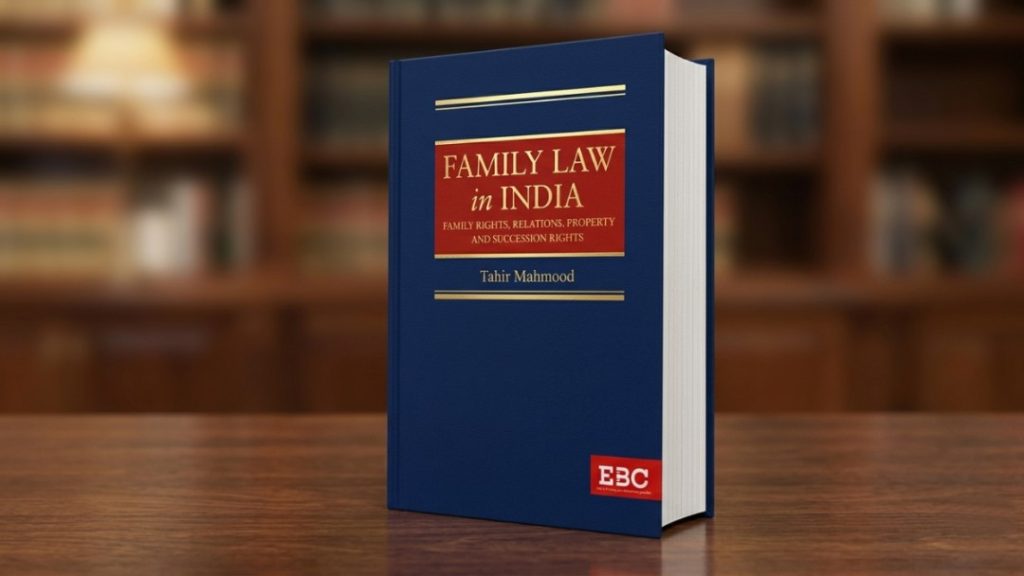
India is one of the most legally diverse countries in the world. Different religious communities in India are governed by different personal laws relating to marriage, divorce, adoption, guardianship, inheritance, and succession. These laws play a major role in regulating family relationships and property rights.
For law students, legal professionals, and ordinary citizens alike, understanding personal laws in India is essential because they directly affect daily life, family disputes, property distribution, and succession planning.
In this blog, we simplify the concept of personal laws in India and explain family rights, inheritance rules, and succession laws in easy language.
What Are Personal Laws in India?
Personal laws are laws that govern individuals based on their religion or community in matters related to:
- Marriage
- Divorce
- Adoption
- Maintenance
- Guardianship
- Inheritance
- Succession
- Family property
Unlike criminal law or contract law, which apply uniformly to everyone, personal laws vary across communities.
India currently follows a plural legal system where different communities have separate family and succession laws.
Why Personal Laws Are Important
Personal laws affect some of the most important aspects of life, including:
- Family relationships
- Women’s rights
- Child custody
- Property ownership
- Inheritance rights
- Financial security after death
Understanding these laws helps individuals protect their legal rights and avoid family disputes.
Family Laws Applicable Across Communities
Certain laws apply broadly across communities irrespective of religion.
1. Special Marriage Act, 1954
The Special Marriage Act, 1954 allows civil marriages between individuals of different religions or communities.
Key Features
- Interfaith marriage recognition
- Registration of marriage
- Divorce provisions
- Succession governed under secular law in certain situations
This law promotes legal equality and individual choice in marriage.
2. Protection of Women from Domestic Violence Act, 2005
The Protection of Women from Domestic Violence Act, 2005 protects women from:
- Physical abuse
- Emotional abuse
- Economic abuse
- Verbal abuse
It applies regardless of religion and provides civil remedies such as protection orders and residence rights.
3. Guardianship and Child Welfare Laws
Indian courts generally prioritize the welfare of the child in custody and guardianship matters.
The best interests of the child remain the guiding principle across communities.
Hindu Personal Laws
Hindu personal laws apply not only to Hindus but also generally to Buddhists, Jains, and Sikhs unless specifically excluded.
These laws are primarily governed by:
- Hindu Marriage Act, 1955
- Hindu Succession Act, 1956
- Hindu Adoption and Maintenance Act, 1956
- Hindu Minority and Guardianship Act, 1956
Marriage Under Hindu Law
The Hindu Marriage Act governs:
- Marriage validity
- Divorce
- Judicial separation
- Maintenance
- Restitution of conjugal rights
Grounds for Divorce
Common grounds include:
- Cruelty
- Desertion
- Adultery
- Conversion
- Mental disorder
Hindu Succession and Property Rights
The Hindu Succession Act regulates inheritance and property distribution.
Important Development
Daughters now enjoy equal coparcenary rights in ancestral property following judicial interpretation and statutory reforms.
This significantly strengthened women’s property rights in India.
Adoption Under Hindu Law
Hindus legally recognize adoption under statutory law.
Adopted children generally receive rights similar to biological children.
Muslim Personal Laws
Muslim personal laws in India are largely uncodified and are derived from:
- Quranic principles
- Hadith
- Islamic jurisprudence
- Judicial precedents
Muslim Marriage (Nikah)
Marriage under Muslim law is treated as a civil contract.
Essential Features
- Proposal and acceptance
- Free consent
- Mehr (dower)
- Competent parties
Divorce Under Muslim Law
Different forms of divorce exist, including:
- Talaq
- Khula
- Mubarat
- Judicial divorce
The practice of instant triple talaq has been declared legally invalid in India.
Muslim Succession Laws
Inheritance under Muslim law follows fixed shares.
Property distribution usually includes:
- Spouse
- Children
- Parents
- Other relatives
Unlike Hindu law, ancestral property concepts differ significantly.
Christian Personal Laws
Christian family matters are primarily governed by:
- Indian Christian Marriage Act, 1872
- Indian Divorce Act, 1869
- Indian Succession Act, 1925
Christian Marriage and Divorce
Christian marriages require formal solemnization procedures.
Divorce may be granted on grounds such as:
- Adultery
- Cruelty
- Desertion
- Conversion
- Mental illness
Christian Succession Rules
The Indian Succession Act governs inheritance among Christians in most situations.
The law determines distribution rights among:
- Spouses
- Children
- Legal heirs
Understanding Succession Laws in India
Succession refers to the legal transfer of property after a person’s death.
There are two major types:
1. Testamentary Succession
When property is distributed according to a valid will.
A will helps:
- Avoid disputes
- Clarify intentions
- Protect beneficiaries
- Simplify inheritance
2. Intestate Succession
When a person dies without leaving a will.
In such cases, succession laws applicable to the individual’s religion determine property distribution.
Women’s Rights Under Personal Laws
Women’s rights in family and property matters have evolved significantly through:
- Legislative reforms
- Constitutional principles
- Judicial decisions
Key areas of progress include:
- Equal inheritance rights
- Protection against domestic violence
- Maintenance rights
- Divorce protections
However, debates regarding gender justice and equality continue across personal law systems.
Uniform Civil Code Debate
One of the most discussed constitutional issues in India is the Uniform Civil Code (UCC).
The idea behind UCC is to create a common set of family laws applicable to all citizens irrespective of religion.
Supporters Argue
- It promotes equality
- Reduces discrimination
- Simplifies legal processes
Critics Argue
- It may affect religious freedom
- Cultural diversity must be protected
The debate remains legally and politically significant.
Frequently Asked Questions (FAQs)
1. What are personal laws in India?
Personal laws are religion-based laws governing matters such as marriage, divorce, inheritance, adoption, and succession.
2. Which communities have separate personal laws in India?
Major communities with separate personal laws include:
- Hindus
- Muslims
- Christians
- Parsis
3. What is the Special Marriage Act?
The Special Marriage Act allows civil marriages between individuals irrespective of religion or caste.
4. What happens if a person dies without a will in India?
Property distribution is governed by intestate succession laws applicable to the deceased person’s religion.
5. Do daughters have equal inheritance rights under Hindu law?
Yes. Daughters now generally enjoy equal coparcenary rights in ancestral property under Hindu law.
6. Is triple talaq legal in India?
Instant triple talaq has been declared legally invalid in India.
7. What is a Uniform Civil Code?
A Uniform Civil Code refers to a common set of family laws applicable to all citizens irrespective of religion.
For further reading and detailed analysis, refer to this resource.



Uniform Civil Code UPSC: Complete Guide (2026)
[…] Personal Laws Currently in Force […]
Hindu Adoptions and Maintenance Act: Key Rules Explained
[…] Adoption Under Hindu Law […]