The Mayor’s Courts in India were among the earliest formal courts introduced during British rule. They played a key role in shaping the Indian judicial system we know today.
Let’s understand their history, structure, and importance in a simple way
What Were Mayor’s Courts?
Mayor’s Courts were early colonial courts established by the British in India’s major cities.
They were set up in:
- Madras (Chennai)
- Bombay (Mumbai)
- Calcutta (Kolkata)
These cities were known as Presidency Towns.
Historical Background
The Mayor’s Courts were established in 1726 under the Charter of 1726, issued by the British Crown.
Why were they created?
- To provide a proper legal system for British citizens in India
- To regulate trade and disputes in growing colonial cities
- To introduce elements of English law in India
Structure of Mayor’s Courts
Each Mayor’s Court had:
- A Mayor (head of the court)
- Aldermen (judges or members)
- Mostly British officials and merchants
Important point:
Indians had very limited participation in these courts.
Jurisdiction and Powers
Mayor’s Courts mainly dealt with:
- Civil cases (property disputes, trade issues)
- Cases involving British subjects
- Some cases involving Indians, especially in Presidency towns
They did not handle serious criminal cases.
Appeals from Mayor’s Courts could go to:
- The Governor and Council
- Later, higher British authorities
Changes and Decline
The Mayor’s Courts system did not last forever.
What happened next?
- In 1774, the Supreme Court of Calcutta was established
- Mayor’s Courts were gradually replaced by more advanced courts
- This marked the beginning of a more structured judiciary in India
Role and Importance
Even though they had limitations, Mayor’s Courts played a significant role:
Key Contributions
- Introduced formal court procedures in India
- Brought English legal concepts
- Laid the foundation of modern Indian judiciary
- Helped regulate commercial disputes
Limitations
- Favored British interests
- Limited access for Indians
- Not fully fair or representative
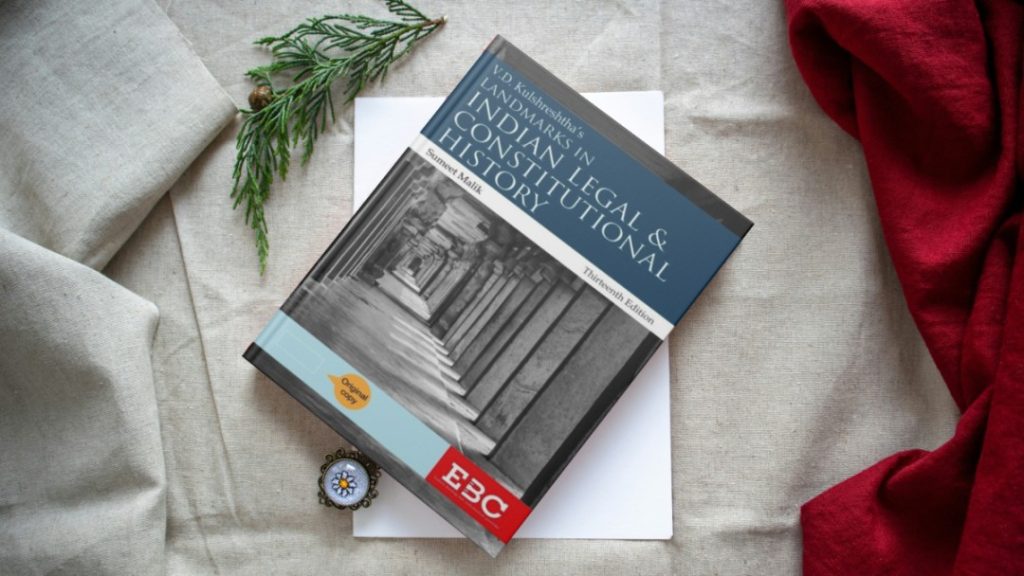
To explore this topic in greater depth, you can refer to this comprehensive and insightful resource.