India is the world’s largest democracy, but how does it actually function on a day-to-day basis? Who makes the laws, who implements them, and who ensures they are followed fairly? This blog is the first part of a series designed to explain India’s governance system in the simplest way possible. We will start from the very basics so that even someone with no background in law or politics can clearly understand how the system works.
What Does “Government” Mean?
At its core, a government is a system that:
- Makes rules (laws)
- Applies those rules
- Ensures those rules are followed
In India, this system is carefully divided into three main parts, often called the three pillars of democracy:
- Legislature (Parliament) – Makes laws
- Executive (Government/Administration) – Implements laws
- Judiciary (Courts) – Interprets laws and ensures justice
This division is very important. It prevents too much power from being concentrated in one place and helps maintain balance.
Legislature (Parliament) – The Law Makers
The Legislature is responsible for making laws for the country.
At the national level, this is called the Parliament of India, which has three parts:
- The President
- The Lok Sabha (House of the People)
- The Rajya Sabha (Council of States)
What does Parliament do?
- Makes new laws
- Discusses national issues
- Approves government spending (Budget)
- Holds the Executive accountable
Simple Example
If a new rule is needed for digital privacy, Parliament debates and passes a law to regulate it.
Executive – The Law Implementers
Once a law is made, someone needs to put it into action. That is the job of the Executive.
The Executive includes:
- The President (formal head of the country)
- The Prime Minister (real head of government)
- The Council of Ministers
- Government departments and civil servants
What does the Executive do?
- Implements laws passed by Parliament
- Runs day-to-day administration
- Makes policies and decisions
- Maintains law and order
Simple Example
If Parliament passes a law on road safety, the Executive ensures:
- Traffic rules are enforced
- Police monitor compliance
- Awareness campaigns are run
Judiciary – The Guardian of Justice
The Judiciary ensures that laws are applied fairly and according to the Constitution.
It is independent from the other two branches, meaning it works without political pressure.
The system includes:
- The Supreme Court
- High Courts in each state
- Lower courts (district and local courts)
What does the Judiciary do?
- Interprets laws
- Resolves disputes
- Protects citizens’ rights
- Checks if laws follow the Constitution
Simple Example
If someone feels a law is unfair or unconstitutional, they can go to court. The Judiciary can even strike down that law.
Why Are These Three Separate?
This system is based on the idea of separation of powers.
Why is this important?
- Prevents misuse of power
- Ensures accountability
- Protects citizens’ rights
- Maintains balance in governance
No single branch can dominate the others:
- Parliament cannot enforce laws itself
- The Executive cannot make laws without approval
- The Judiciary cannot create laws
Each has its own role, but they also check each other.
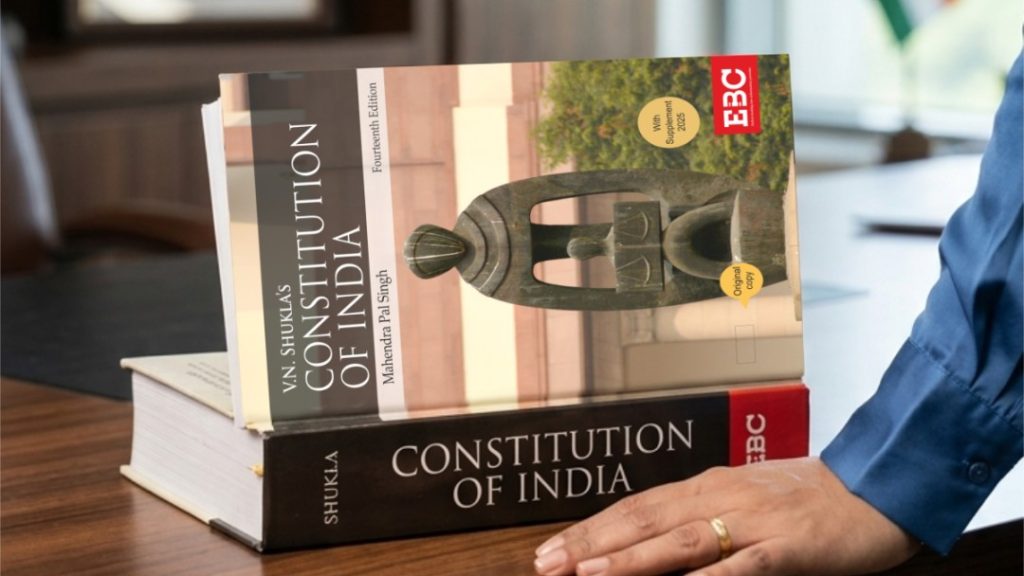
For a deeper and more insightful understanding of this topic, you may consider exploring this book.