We often hear about court cases in the news, someone was “convicted” or “acquitted.” But what actually happens before a court reaches that decision?
A criminal trial is not just about declaring someone guilty or not guilty. It is a step-by-step process designed to ensure fairness, justice, and truth.
Let’s break it down in a simple and practical way.
What is a Criminal Trial?
A criminal trial is the process where a court examines a case to decide:
Did the accused actually commit the offence?
It ensures:
- Both sides are heard
- Evidence is properly examined
- The accused gets a fair chance to defend themselves
One important principle lies at the heart of every trial:
“Innocent until proven guilty.”
Types of Criminal Trials in India
Not all cases follow the same procedure. The type of trial depends on how serious the offence is.
1. Warrant Cases
- Involve serious offences (punishment more than 2 years)
- Example: serious crimes like robbery or homicide
- Procedure is detailed and strict
2. Summons Cases
- Less serious offences
- Simpler procedure
- No formal framing of charges
3. Summary Trials
- Minor offences
- Quick and simplified process
- Used to reduce court burden
In short, different offences require different levels of procedure.
The Step-by-Step Process of a Criminal Trial
Think of a trial like a story that unfolds in stages.
1. FIR or Complaint
The process usually begins when a crime is reported.
2. Investigation
Police collect evidence, question witnesses, and build the case.
3. Filing of Charges
The court formally tells the accused what they are being charged with.
4. Evidence and Witnesses
- The prosecution presents its case
- Witnesses are examined
- The defence gets a chance to cross-examine
5. Statement of the Accused
The accused is given an opportunity to explain their side.
6. Final Arguments
Both sides present their final submissions.
7. Judgment
The court decides:
- Conviction, or
- Acquittal
Why is a Trial So Important?
A trial is not just a formality, it is essential to ensure justice is done properly.
It helps:
- Prevent punishment of innocent people
- Ensure the guilty are held accountable
- Maintain trust in the legal system
Justice is not rushed, it is carefully examined.
Key Principles That Guide Every Trial
Every criminal trial follows certain important principles:
- Fair Hearing: Both sides must be heard
- Burden of Proof: Lies on the prosecution
- Evidence-Based Decision: Judgments are based on proof, not assumptions
- Right to Defence: The accused can defend themselves
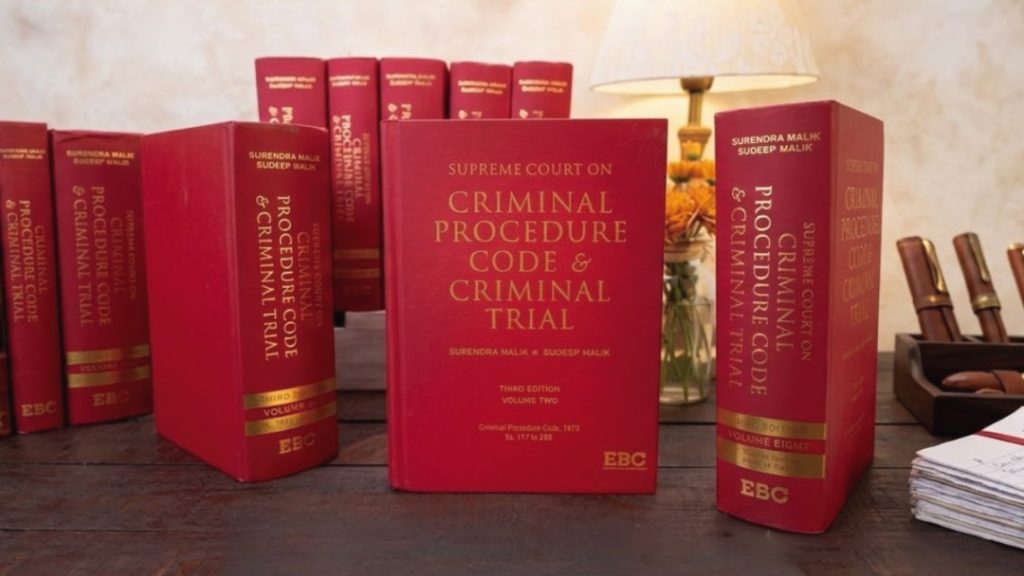
To know more about this topic, you may refer to this book.