Divorce in India is not just an emotional journey, it is also a structured legal process governed by personal laws, procedural rules, and judicial timelines. Whether the separation is mutual or contested, understanding each stage can reduce uncertainty and help you make informed decisions. This step-by-step guide explains how divorce works in India, the laws involved, and what you should realistically expect.
Step 1: Identifying the Applicable Law
Divorce in India is governed by personal laws, which depend on the religion of the parties:
- Hindus, Buddhists, Jains, and Sikhs – Hindu Marriage Act, 1955
- Muslims – Muslim Personal Law (Shariat) Application Act, 1937 and related principles
- Christians – Indian Divorce Act, 1869
- Parsis – Parsi Marriage and Divorce Act, 1936
- Inter-religious or civil marriages – Special Marriage Act, 1954
Each statute lays down specific grounds, procedures, and requirements for divorce. The first step is determining which law applies to your marriage.
Step 2: Choosing the Type of Divorce
There are two primary types of divorce in India:
1. Mutual Consent Divorce
Both spouses agree that the marriage has irretrievably broken down.
- Requires at least one year of separation
- Faster, less expensive, and less adversarial
- Governed by Section 13B of the Hindu Marriage Act (or equivalent provisions under other laws)
2. Contested Divorce
One spouse files for divorce without the consent of the other.
Common legal grounds include:
- Cruelty (mental or physical)
- Adultery
- Desertion
- Conversion of religion
- Mental disorder
- Incurable disease
- Irretrievable breakdown (recognized through judicial precedents)
Contested divorces are usually longer and involve detailed evidence and hearings.
Step 3: Filing the Divorce Petition
The divorce process formally begins when a petition is filed in the appropriate Family Court or District Court.
Key points:
- Filed where the marriage took place, where the couple last resided together, or where the respondent currently lives
- Petition must clearly state facts, grounds for divorce, and reliefs sought (divorce, maintenance, custody, etc.)
- Legal representation is strongly advisable
Once filed, the court issues a notice to the other spouse.
Step 4: Response and Mediation
After receiving notice, the respondent files a written statement replying to the allegations.
Before proceeding with litigation, Indian courts often encourage:
- Mediation or conciliation, especially in family disputes
- Settlement on issues like maintenance, child custody, and property
In mutual consent cases, mediation may be brief or skipped if terms are already settled.
Step 5: Interim Applications (Maintenance & Custody)
During the pendency of the divorce, either spouse may seek interim relief, such as:
- Interim maintenance and litigation expenses
(Section 24, Hindu Marriage Act; Section 125, Criminal Procedure Code) - Temporary child custody or visitation rights
- Protection orders (especially in cases involving domestic violence)
These applications are decided early to ensure financial and personal stability during proceedings.
Step 6: Evidence and Trial (in Contested Divorce)
If reconciliation fails, the case proceeds to trial.
This stage includes:
- Examination and cross-examination of witnesses
- Submission of documents (medical records, financial statements, messages, etc.)
- Oral arguments by lawyers
This is the most time-consuming phase and can last several years, depending on complexity and court workload.
Step 7: Final Arguments and Judgment
After evidence is concluded:
- Both sides present final arguments
- The court evaluates facts, evidence, and legal provisions
- A judgment and decree of divorce is passed if grounds are proven
In mutual consent cases, the court grants divorce after confirming free consent and compliance with statutory requirements (including waiver of the cooling-off period, if applicable).
Step 8: Post-Divorce Issues
Even after divorce, certain matters may continue:
- Permanent alimony or maintenance
- Final child custody and guardianship arrangements
- Execution of settlement terms
- Appeals, if either party challenges the judgment
Divorce legally ends the marriage, but rights and obligations—especially involving children—may continue.
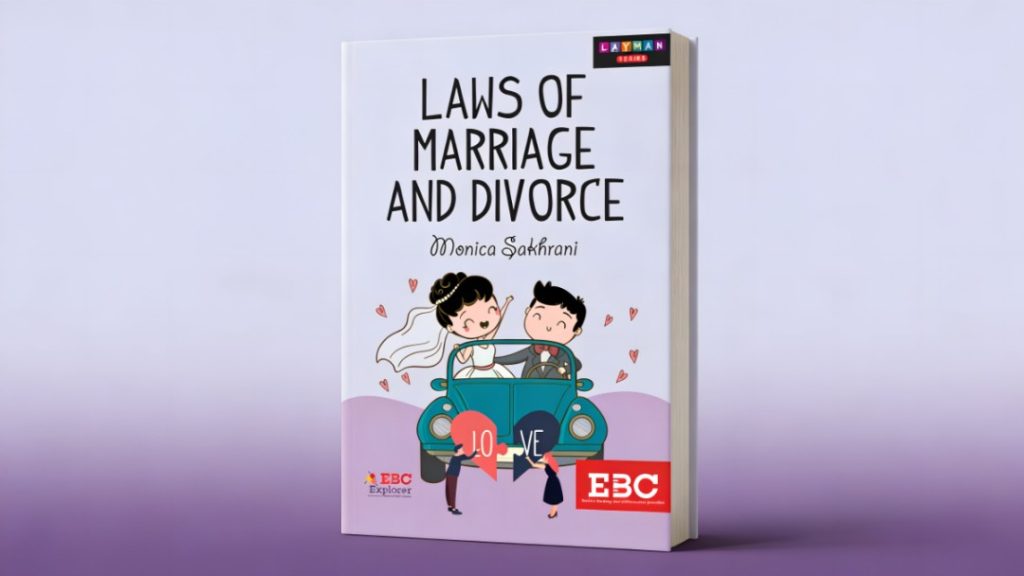
For more information on this topic, you may refer to this book.