Throughout history, nation-states have exercised four fundamental instruments to project power, safeguard sovereignty, and advance national interests: Diplomacy, Ideology, Economics, and War. While internationally known as the DIME framework, classical Indian statecraft mirrors these elements through conciliation, division, economic incentives, and force. Under the Indian constitutional framework, the exercise of these instruments is strictly regulated by legislation and constitutional mandates to ensure that sovereign action remains bound by the rule of law. Understanding how these tools of statecraft in Indian law function provides critical insight into national security regulations and external governance.
Statutory Governance of the Four Tools of Statecraft in Indian Law
Each instrument of statecraft operates under specific statutory provisions, rights, and regulatory restrictions under Indian law.
1. Diplomacy (Diplomatic Instruments)
Diplomatic engagement represents the primary peaceful mechanism of foreign policy.
- Constitutional Basis: Article 51 of the Constitution directs the State to foster international peace, while Article 253 empowers Parliament to enact legislation executing foreign treaties. Entry 10 through 14 of the Union List grants exclusive jurisdiction over foreign affairs to the Central Government.
- Key Legislation: The Diplomatic Relations (Vienna Convention) Act, 1972 incorporates international diplomatic immunities into domestic law. Section 2 and Section 3 grant diplomatic premises and envoys immunity from civil and criminal jurisdiction, safeguarding diplomatic channels.
2. Ideology and Information Control
Ideological alignment and state narratives are protected by preserving public order and state security.
- Key Statutes: Section 152 of the Bharatiya Nyaya Sanhita, 2023 penalizes acts endangering the sovereignty, unity, and integrity of India.
- Regulatory Enforcement: Section 69A of the Information Technology Act, 2000 authorizes the Central Government to block public access to digital content in the interest of national sovereignty, security, or public order. Additionally, Section 13 and Section 35 of the Unlawful Activities (Prevention) Act, 1967 permit the government to declare unlawful associations and prohibit propaganda threatening national integrity.
3. Economics (Financial and Trade Controls)
Economic leverage is deployed through sanctions, import controls, and foreign investment oversight.
- Key Statutes: The Foreign Trade (Development and Regulation) Act, 1992 empowers the Union under Section 3 to prohibit, restrict, or regulate the import and export of goods and services. Violations trigger penalties under Section 11.
- Financial Oversight: The Foreign Exchange Management Act, 1999 (FEMA) regulates cross-border currency flows under Section 3, while Section 13 establishes penalties for illegal foreign transactions. Further, the Weapons of Mass Destruction and their Delivery Systems (Prohibition of Unlawful Activities) Act, 2005 restricts trade linked to prohibited technologies.
4. War and Defense Powers
The ultimate instrument of state power is military force, exercised under strict constitutional checks.
- Constitutional Provisions: Article 352 allows the President to proclaim a National Emergency during war or external aggression. Article 355 imposes a mandatory duty on the Union to protect every state against external aggression.
- Statutory Enforcement: The Armed Forces (Special Powers) Act, 1958 allows the declaration of disturbed areas under Section 3 and grants special operational powers to armed forces personnel under Section 4 to maintain public order during severe threats.
Regulatory Procedures and Statutory Exceptions
Execution of sovereign state authority requires adherence to due procedure:
- Procedures: Economic sanctions and export restrictions require formal notifications published in the Official Gazette by the Director General of Foreign Trade. Blocking of information under Section 69A of the IT Act requires review by an executive committee.
- Exceptions and Safeguards: Under Section 98 of the Bharatiya Nagarik Suraksha Sanhita, 2023, emergency search powers exist, but constitutional safeguards restrict arbitrary action. Furthermore, declarations under Article 352 require written approval from the Union Cabinet and parliamentary ratification within thirty days.
Frequently Asked Questions (FAQs)
Yes. Section 3 of the Foreign Trade (Development and Regulation) Act, 1992 authorizes the Central Government to restrict or prohibit trade with specific countries for national security reasons.
Foreign diplomats receive statutory immunity from domestic civil and criminal prosecution under Section 2 and Section 3 of the Diplomatic Relations (Vienna Convention) Act, 1972.
Yes. Section 69A of the Information Technology Act, 2000 permits the government to issue directions blocking online content that threatens state security or public order.
The power rests with the President of India as the supreme commander of the armed forces, acting on the written advice of the Union Cabinet under Article 352.
Under Section 13 of the Foreign Exchange Management Act, 1999, unauthorized dealings attract penalties up to thrice the sum involved or pecuniary fines along with asset confiscation.
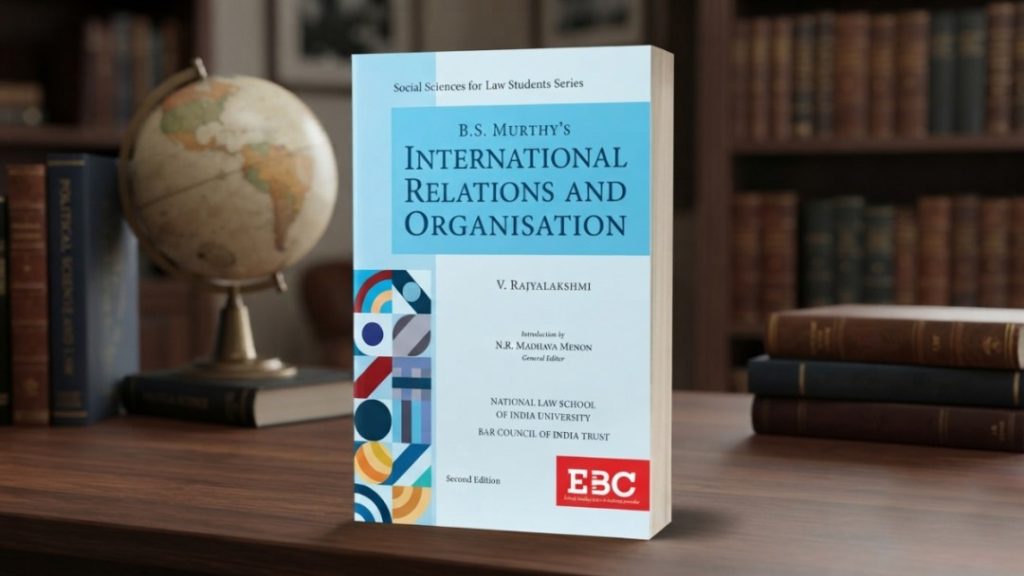
Want the deeper dive? Grab the reference book.