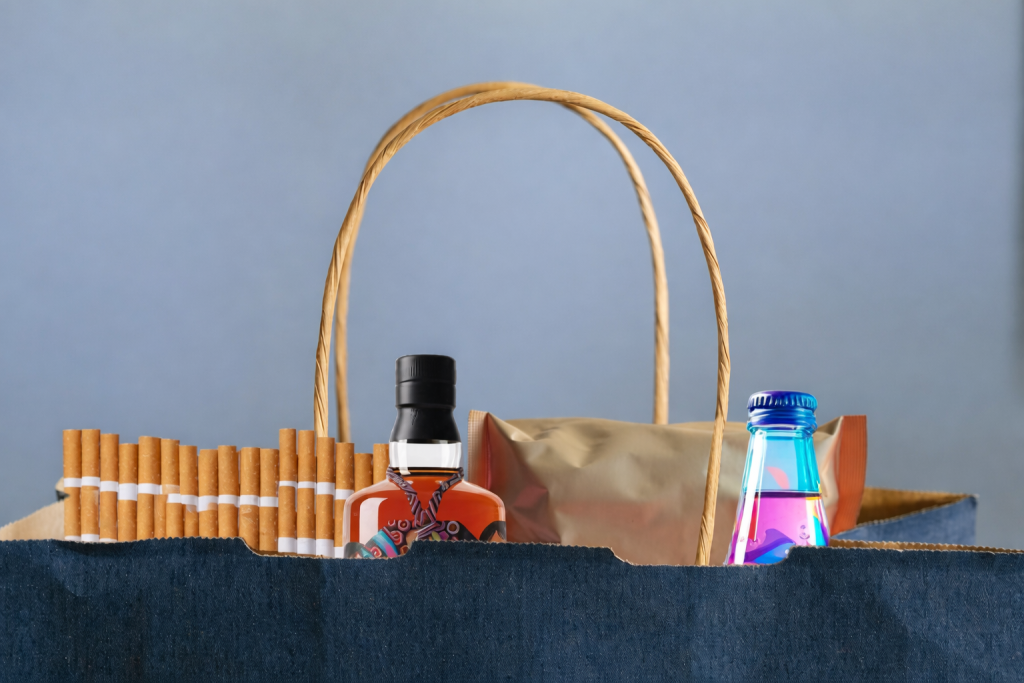
We all know that governments tend to tax “bad” things more heavily, cigarettes, alcohol, sugary drinks, even gambling. But why? And do these taxes actually work, or do they just punish people for their personal choices? In this post, we’ll explore the economics behind so-called sin goods, examine global data, compare policies across regions, and finally zoom out to see how sin taxation fits into broader public health and economic strategies.
What Are Sin Goods and Why Tax Them?
Sin goods are products whose consumption is considered harmful to individuals or society. Common examples include:
- Tobacco
- Alcohol
- Sugar-sweetened beverages (SSBs)
- Gambling
- Recreational drugs
Why Do Governments Tax Sin Goods?
Governments typically justify sin taxes for three main reasons: public health, economic efficiency, and revenue generation.
1. Improving Public Health
One of the strongest arguments for sin taxes is their role in reducing harmful consumption.
Higher prices tend to discourage excessive use, especially among:
- Young people
- Low-income or price-sensitive consumers
Research across many countries shows that increasing taxes on tobacco and alcohol lowers consumption rates, reduces long-term healthcare costs, and improves overall population health.
Sugary drink taxes follow the same logic, targeting rising rates of obesity, diabetes, and heart disease.
2. Correcting Market Failures (The Economic Logic)
From an economic perspective, sin taxes address what are known as negative externalities, costs imposed on society that are not reflected in a product’s market price.
For example:
- Smoking increases public healthcare spending
- Alcohol abuse contributes to accidents and lost productivity
- High sugar intake raises long-term medical costs
Sin taxes aim to “internalize” these social costs by making consumers pay a price closer to the true cost of consumption.
3. Generating Government Revenue
Sin goods tend to have relatively inelastic demand, meaning consumers reduce usage slowly even when prices rise. This makes them attractive tax bases.
Revenue from sin taxes is often used to fund:
- Public healthcare systems
- Addiction treatment and prevention programs
- Education and awareness campaigns
In some countries, sin tax revenue is earmarked specifically for health-related spending.
How Sin Taxes Affect Everyday Consumers
For most people, sin taxes are felt not as an abstract policy, but at the checkout counter.
When the price of cigarettes, alcohol, or sugary drinks rises, consumers often respond in predictable ways:
- Reducing frequency of consumption
- Switching to smaller quantities or cheaper brands
- Seeking lower-tax or untaxed substitutes
While not everyone immediately changes behavior, repeated price increases tend to reshape long-term habits. This is especially true for young consumers, who are more price-sensitive and less likely to absorb higher costs without adjustment.
Why Price Matters More Than Warnings Alone
Health warnings and awareness campaigns play an important role, but price remains one of the most powerful tools for influencing consumer behavior.
Studies consistently show that:
- Information alone does not always change habits
- Price increases create immediate, tangible incentives to cut back
- Combining taxes with education produces stronger results
In simple terms, a warning label may inform consumers that a product is harmful, but a higher price often forces them to reconsider how often they buy it.
How Sin Taxes Shape Corporate Behavior
Sin taxes don’t only affect consumers; they also influence how companies operate.
Faced with higher taxes and shifting demand, businesses often respond by:
- Reformulating products to reduce sugar or alcohol content
- Introducing “light,” “low-sugar,” or alternative options
- Adjusting marketing strategies toward healthier branding
In this way, sin taxes can indirectly reshape entire industries, nudging them toward products that align better with public health goals.
Frequently Asked Questions (FAQs)
1. Why are alcohol, cigarettes, and sugary drinks taxed more than other products?
Governments tax alcohol, cigarettes, and sugary drinks more because their regular consumption is linked to serious health problems and social costs. Higher taxes raise prices, which can discourage overuse, while also helping governments recover some of the money spent on healthcare and public services related to these products.
2. Do higher taxes really make people stop smoking or drinking?
Higher taxes do not make everyone quit immediately, but they do reduce consumption over time. Many people cut down, delay starting, or switch to healthier options when prices rise. Studies show that young people and first-time users are especially sensitive to price increases.
3. Why do these taxes feel unfair to middle-class and low-income people?
Sin taxes often feel unfair because they apply equally to everyone, regardless of income. This means lower-income households may feel the burden more when prices increase. However, supporters argue that these groups also benefit the most from improved health outcomes and reduced medical expenses in the long run.
4. Where does the extra money collected from sin taxes actually go?
The money collected from sin taxes is usually used to fund public healthcare, disease prevention programs, and addiction treatment services. In some countries, it also supports education and awareness campaigns. In other cases, the revenue goes into the general government budget and helps fund public services.
5. Why don’t governments just ban these products instead of taxing them?
Banning products like alcohol or cigarettes often leads to illegal markets, smuggling, and unsafe alternatives. Taxation allows governments to control consumption without banning personal choice, while also raising funds to manage the social and health impacts of these products.
6. Are sugary drink taxes really about health, or just about money?
Sugary drink taxes are mainly introduced to reduce excessive sugar consumption and address rising obesity and diabetes rates. While they do raise government revenue, evidence shows that these taxes encourage people to choose healthier drinks and push companies to reduce sugar content.
7. Do sin taxes affect businesses and jobs?
Yes, sin taxes can affect businesses, especially in the short term. However, many companies adapt by reformulating products, offering low-sugar or healthier alternatives, or diversifying their offerings. Over time, markets tend to adjust rather than collapse.
8. Are sin taxes going to increase in the future?
Many governments are likely to expand sin taxes as healthcare costs rise and public health concerns grow. New areas such as ultra-processed foods, vaping products, and environmental pollutants are increasingly being considered for similar taxation.
To understand sin taxes in context, it helps to look at how more universal consumption taxes (like GST) reshape everyday budgets. A recent analysis—“From Kitchen to Closet: How 5 % GST Reshapes Your Budget”—offers useful parallels to carry into our sin tax discussion.