In criminal law, punishment does not always mean serving the entire sentence in its original form. The legal system provides certain mechanisms to reduce, modify, or temporarily halt a sentence under specific circumstances. Three important concepts in this context are suspension, remission, and commutation of sentence. These provisions are recognized under the Code of Criminal Procedure, 1973 and play a crucial role in ensuring justice is balanced with fairness and reform.
What is Suspension of Sentence?
Suspension of sentence means temporarily stopping the execution of a sentence.
Key Features:
- The sentence is not cancelled, only paused
- Often granted during the pendency of an appeal
- The accused may be released on bail
Legal Basis:
Courts are empowered under Section 389 of the Code of Criminal Procedure, 1973.
Example:
If a person files an appeal against conviction, the court may suspend the sentence until the appeal is decided.
What is Remission of Sentence?
Remission refers to reducing the duration of a sentence without changing its nature.
Key Features:
- The type of punishment remains the same
- Only the period of sentence is reduced
- Granted by the government based on conduct or special circumstances
Legal Basis:
Sections 432–433 of the Code of Criminal Procedure, 1973.
Example:
A 10-year imprisonment may be reduced to 6 years for good behavior.
What is Commutation of Sentence?
Commutation means substituting a punishment with a lighter one.
Key Features:
- Nature of punishment changes
- Usually reduces severity
Legal Basis:
Section 433 of the Code of Criminal Procedure, 1973.
Examples:
- Death sentence → Life imprisonment
- Rigorous imprisonment → Simple imprisonment
Key Differences Between Suspension, Remission and Commutation
| Aspect | Suspension | Remission | Commutation |
|---|---|---|---|
| Meaning | Temporary halt | Reduction in duration | Change in type |
| Nature of punishment | Same | Same | Changed |
| Authority | Court | Government | Government |
| Purpose | During appeal | Reward/reform | Leniency |
Who Has the Power to Grant These Reliefs?
Courts:
- Can grant suspension of sentence
Government:
- Can grant remission and commutation
Additionally, constitutional powers exist under:
- Article 72 of the Constitution of India (President)
- Article 161 of the Constitution of India (Governor)
These provisions allow granting of pardon, remission, or commutation.
Why Are These Provisions Important?
These mechanisms ensure:
- Fairness in justice delivery
- Opportunity for reform and rehabilitation
- Relief in special or humanitarian cases
They reflect the idea that punishment should not only be strict but also just and humane.
Practical Relevance for Law Students
Understanding these concepts is important because:
- Frequently asked in exams
- Relevant in criminal litigation
- Linked with constitutional law
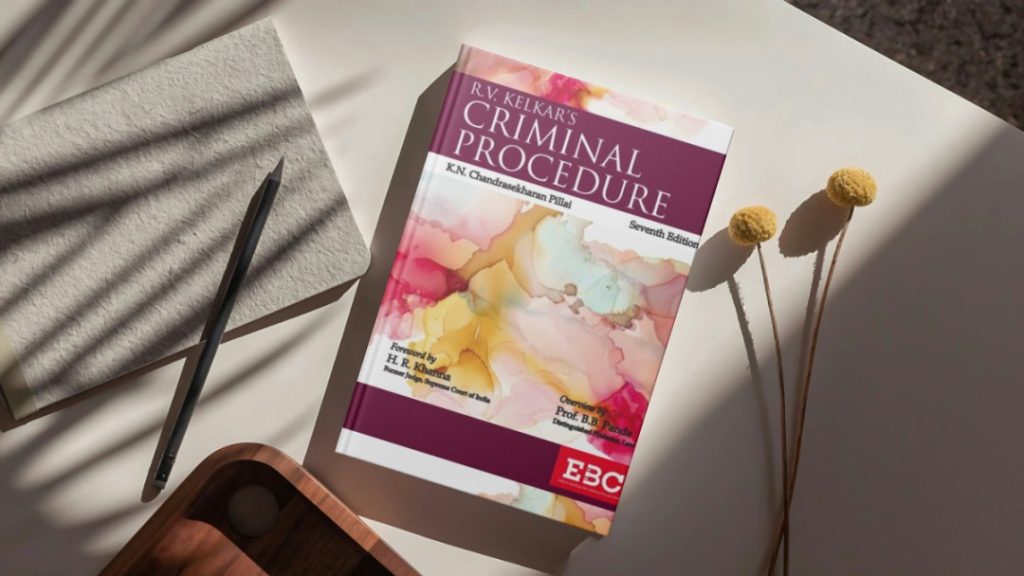
To know more about the topic, you may refer to this resource.