India recognizes education for children with disabilities as a fundamental right and has developed a strong legal framework to ensure inclusion, accessibility, and equality in schooling. Below is a clear, structured explanation of the key laws, rights, and protections governing special education and inclusive education in India.
1. Constitutional Foundation
The Constitution guarantees equality and education through:
- Article 14 – Equality before law
- Article 15 – Prohibits discrimination (including disability interpreted through judicial rulings)
- Article 21A – Right to free and compulsory education (ages 6–14)
- Article 41 – State must provide education and assistance for persons with disabilities
These provisions form the legal backbone for inclusive education policies.
2. Major Laws Governing Special Education in India
A. Right of Persons with Disabilities (RPwD) Act, 2016
This is the primary disability rights law.
Key provisions:
- Recognizes 21 categories of disabilities
- Guarantees inclusive education in neighborhood schools
- Requires reasonable accommodation
- Mandates trained teachers for special needs education
- Provides 5% reservation in higher education for persons with disabilities
Schools must ensure accessibility, assistive devices, and individualized support.
B. Right of Children to Free and Compulsory Education Act, 2009 (RTE Act)
This law ensures:
- Free education for children 6–14 years
- Non-discrimination in admission
- No denial of schooling due to disability
- Obligation on schools to provide support services
Courts have clarified that children with disabilities fall within the definition of “child” under this Act.
C. National Education Policy (NEP) 2020
India’s current education policy emphasizes:
- Inclusive schooling as a core principle
- Early identification of disabilities
- Flexible curriculum and assessment
- Use of technology and assistive tools
- Special educators at school complexes
The policy aims to move from segregation → integration → full inclusion.
3. Types of Educational Rights Children With Disabilities Have
Children with disabilities are legally entitled to:
- Admission without discrimination
- Barrier-free infrastructure (ramps, lifts, accessible toilets)
- Individualized Education Plans (IEPs)
- Extra exam time or scribes
- Alternative evaluation methods
- Assistive technology
- Transportation support (where applicable)
Denial of these may constitute a legal violation.
4. Role of Schools and Authorities
Schools must:
- Provide inclusive classrooms
- Avoid segregation unless medically required
- Train teachers in special education methods
- Prevent bullying or exclusion
Government authorities must:
- Fund inclusive programs
- Train special educators
- Monitor compliance
- Provide scholarships and aids
Oversight is handled by bodies such as the Ministry of Education and disability commissioners appointed under the RPwD Act.
5. Legal Remedies if Rights Are Violated
Parents or guardians can:
- File complaint with school principal or district education officer
- Approach State Commissioner for Persons with Disabilities
- File petition in High Court or the Supreme Court of India
- Seek compensation for discrimination or denial of education
Courts in India have repeatedly ruled that denying education to a child with disability violates constitutional rights.
6. Difference: Special Education vs Inclusive Education
| Special Education | Inclusive Education |
|---|---|
| Separate classrooms | Same classroom |
| Special schools | Neighborhood schools |
| Individual focus | Community learning |
| Limited interaction | Social integration |
Modern Indian law strongly favors inclusive education, not segregation.
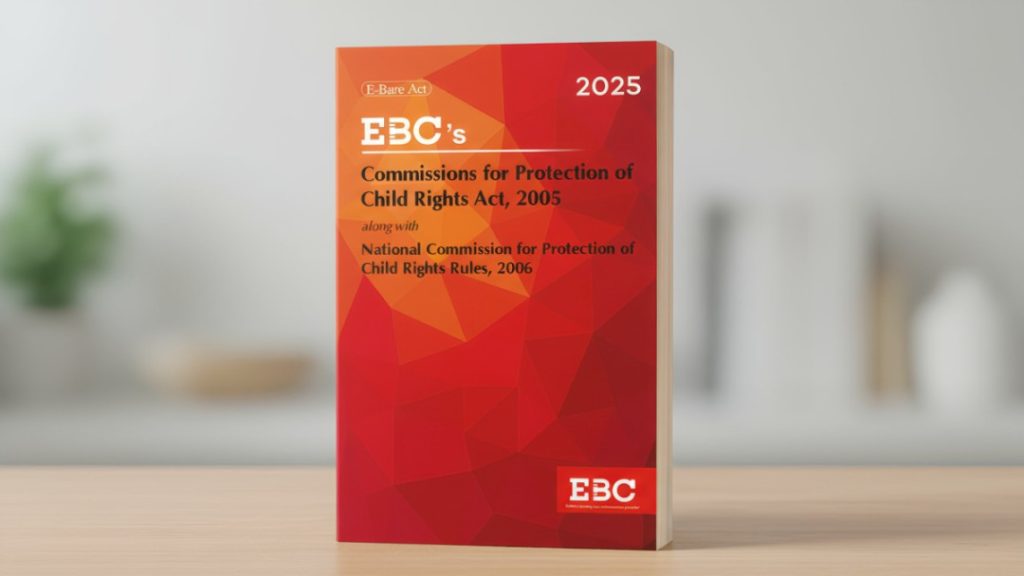
For more details on the topic, you may refer to this book.