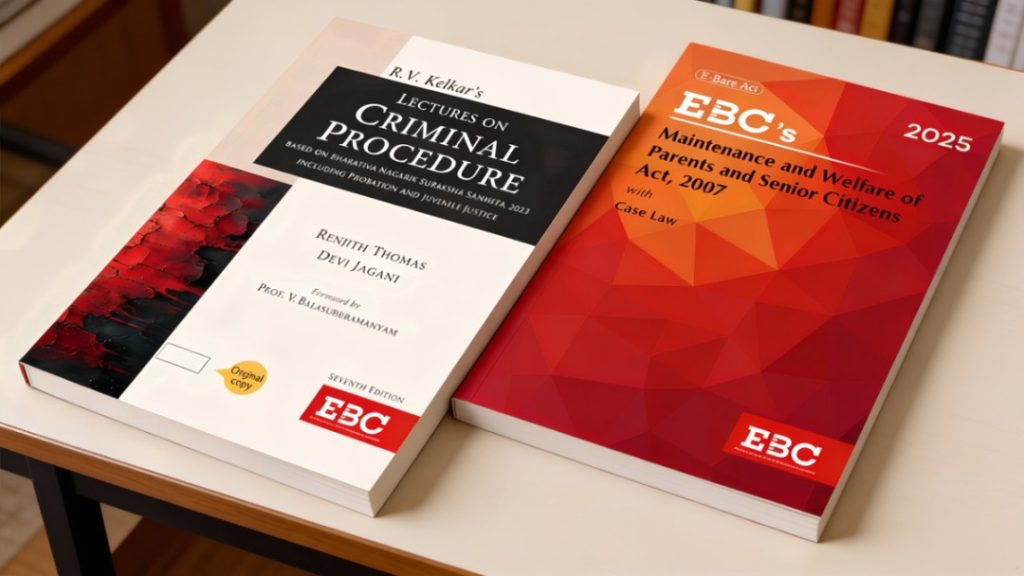
India’s elderly population is steadily growing, and with it comes the need for stronger legal safeguards to ensure dignity, security, and financial stability for senior citizens. Recognizing this, Indian law provides a comprehensive framework of rights, welfare measures, and remedies to protect senior citizens from neglect, abuse, and exploitation.
This article explains the key legal rights of senior citizens in India, the major laws governing them, and the remedies available when those rights are violated.
Who Is Considered a Senior Citizen in India?
A senior citizen is generally defined as a person who has attained the age of 60 years or above. Certain welfare schemes may use different age thresholds, but most legal protections follow the 60-year benchmark.
Right to Maintenance (Financial Support)
Applicable Laws
- Maintenance and Welfare of Parents and Senior Citizens Act, 2007
- Section 125, Code of Criminal Procedure, 1973
- Hindu Adoptions and Maintenance Act, 1956
Explanation
A senior citizen who cannot maintain himself or herself has the legal right to claim monthly maintenance from:
- Sons and daughters (including adopted children)
- Stepchildren
- Relatives who are in possession of or are likely to inherit the senior citizen’s property
Maintenance covers basic necessities such as food, clothing, housing, and medical expenses.
Under the Maintenance and Welfare of Parents and Senior Citizens Act, 2007, special Maintenance Tribunals are established in every district to decide such claims quickly. The tribunal can order children or relatives to pay a fixed monthly amount.
Section 125 of the Code of Criminal Procedure provides a fast and simple remedy before a Magistrate and applies to parents of all religions.
Protection Against Abandonment and Neglect
Applicable Law
- Maintenance and Welfare of Parents and Senior Citizens Act, 2007
Explanation
Abandoning a senior citizen or deliberately failing to provide basic care is a criminal offence. A person found guilty may be punished with imprisonment, fine, or both.
This provision ensures that children and relatives cannot escape their responsibility toward elderly parents.
Property Rights of Senior Citizens
Applicable Laws
- Maintenance and Welfare of Parents and Senior Citizens Act, 2007
- Transfer of Property Act, 1882
- Indian Succession Act, 1925
Explanation
Senior citizens have complete control over their property. They can:
- Sell, gift, or lease property
- Make a will and decide who will inherit their assets
- Cancel or revoke a will at any time
If a senior citizen transfers property to a child or relative on the condition that the transferee will provide care and maintenance, and that condition is later violated, the transfer can be declared void under the 2007 Act.
If property is taken through fraud, coercion, misrepresentation, or undue influence, such transfer can be challenged under the Transfer of Property Act.
The Indian Succession Act governs inheritance and succession for persons not covered by personal laws.
Right to Residence and Housing Protection
Applicable Laws
- Maintenance and Welfare of Parents and Senior Citizens Act, 2007
- Protection of Women from Domestic Violence Act, 2005
Explanation
Senior citizens have the right to live peacefully in their own house or shared household. They cannot be forcibly evicted by children or relatives.
Elderly women who face abuse at home can seek protection orders, residence orders, and monetary relief under the Domestic Violence Act.
Protection from Abuse, Violence, and Exploitation
Applicable Laws
- Maintenance and Welfare of Parents and Senior Citizens Act, 2007
- Indian Penal Code, 1860
Explanation
Senior citizens are legally protected from:
- Physical violence
- Verbal and emotional abuse
- Financial exploitation
- Threats and intimidation
Acts such as assault, cheating, criminal breach of trust, and intimidation are punishable offences under the Indian Penal Code.
Speedy and Simplified Legal Remedies
Applicable Law
- Maintenance and Welfare of Parents and Senior Citizens Act, 2007
Explanation
Cases filed by senior citizens must be decided expeditiously, usually within 90 days. The procedure is simple, inexpensive, and senior-friendly.
Healthcare Rights of Senior Citizens
Applicable Framework
- Maintenance and Welfare of Parents and Senior Citizens Act, 2007
- National and State Health Schemes
Explanation
Senior citizens are entitled to:
- Priority treatment in government hospitals
- Separate queues or counters where available
- Geriatric care facilities
- Free or subsidized treatment under government schemes
Pension and Social Security Benefits
Applicable Framework
- National Social Assistance Programme (NSAP)
- State Social Welfare Schemes
Explanation
Eligible senior citizens may receive old-age pension and other financial assistance. The amount and eligibility criteria differ from state to state.
Tax Benefits for Senior Citizens
Applicable Law
- Income-tax Act, 1961
Explanation
Senior citizens enjoy several tax concessions, including:
- Higher basic exemption limit
- Deduction for medical insurance premiums
- Deduction for specified medical treatment
- Simplified tax compliance for certain elderly persons
Right to Free Legal Aid
Applicable Law
- Legal Services Authorities Act, 1987
Explanation
Senior citizens who cannot afford legal representation are entitled to free legal services, including legal advice and court representation.
How Senior Citizens Can Enforce Their Rights
A senior citizen may:
- File a maintenance application before the Maintenance Tribunal
- Approach the police in case of abuse or threats
- Seek free legal aid from Legal Services Authorities
- Approach courts for appropriate relief