India’s Parliament has two houses, this is called a bicameral legislature. These two houses are:
- Lok Sabha (House of the People)
- Rajya Sabha (Council of States)
Both play crucial roles in making laws, but they are quite different in structure and powers.
What They Represent
Lok Sabha
- Represents the people of India directly
- Members are elected by citizens
Rajya Sabha
- Represents the states and union territories
- Members are elected by state legislatures (not directly by the people)
Composition (Number of Members)
Lok Sabha
- Maximum strength: 552 members
- Currently: 543 elected members
Rajya Sabha
- Maximum strength: 250 members
- Currently: 245 members (including 12 nominated by the President for expertise in arts, science, etc.)
Election Process
Lok Sabha
- Members are elected through general elections (every citizen votes)
Rajya Sabha
- Members are elected by MLAs (state legislators)
- Some members are nominated by the President of India
Election Process
Lok Sabha
- Members are elected through general elections (every citizen votes)
Rajya Sabha
- Members are elected by MLAs (state legislators)
- Some members are nominated by the President of India
Term (Duration)
Lok Sabha
- Term is 5 years
- Can be dissolved early (e.g., if government falls)
Rajya Sabha
- Permanent house (never dissolved)
- Members serve 6 years, with 1/3 retiring every 2 years
Powers Related to Money
Lok Sabha
- Has more power in financial matters
- Money Bills can only be introduced here
- Final say on money-related laws
Rajya Sabha
- Can suggest changes but cannot reject Money Bills
- Must return the bill within 14 days
Law-Making Powers
Lok Sabha
- More powerful overall because it reflects the people’s will
- Government is responsible to Lok Sabha
Rajya Sabha
- Reviews and revises laws
- Acts as a checking body to prevent rushed decisions
Control Over Government
Lok Sabha
- Can remove the government through a No-Confidence Motion
Rajya Sabha
- Cannot remove the government directly
Special Powers of Rajya Sabha
Rajya Sabha has some unique powers:
- Can allow Parliament to make laws on State List subjects
- Can create All India Services (like IAS, IPS)
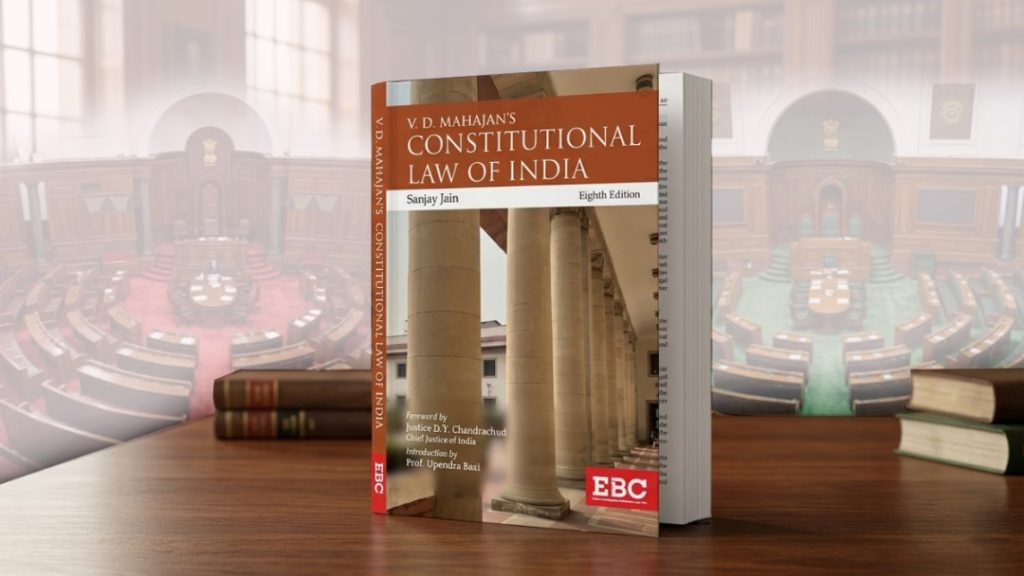
To explore this topic in greater depth, you can refer to this comprehensive and insightful resource.