Renting out your house is a great way to earn passive income.
But if you ignore legal formalities, it can quickly turn into a costly mistake.
From bad tenants to eviction issues, most problems arise because landlords skip basic legal steps.
This guide gives you a complete legal checklist to rent your property safely in India.
Confirm Legal Ownership of the Property
Before renting, ensure:
- You are the legal owner
- Property has a clear title (no dispute)
- All documents are updated
Governed by: Transfer of Property Act, 1882
Only a legal owner can lease out property.
Create a Proper Rent Agreement
A rent agreement is your primary legal protection.
It must include:
- Rent amount & payment date
- Security deposit
- Duration (usually 11 months)
- Notice period
- Maintenance responsibility
Based on lease provisions under Transfer of Property Act, 1882
Always prefer written + signed agreements
Tenant Police Verification
This is often:
- Mandatory in many cities
- Strongly recommended everywhere
You should:
- Submit tenant details to local police
- Keep ID proof copies
Helps prevent fraud and legal trouble
Decide Security Deposit Clearly
- Usually 1–3 months’ rent
- Must be written in agreement
Some states regulate deposits under rent laws.
Understand Rent Control Laws
India has state-specific rent laws.
Along with Transfer of Property Act, 1882, these laws:
- Protect tenants
- Limit eviction rights
You cannot evict tenants arbitrarily, even if issues arise.
Clearly Define Rights & Responsibilities
Avoid disputes by clarifying:
- Who pays for repairs?
- Who pays maintenance/society charges?
- Rules for subletting
- Usage restrictions
Clear clauses = fewer conflicts
Include Exit & Eviction Clauses
Your agreement should include:
- Notice period (1–3 months)
- Grounds for eviction:
- Non-payment
- Illegal use
- Property damage
Without this, eviction becomes difficult.
Pay Stamp Duty & Register Agreement
- Rent agreement must be:
- On stamp paper
- Registered (especially long-term)
Governed by:
- Indian Stamp Act, 1899
- Registration Act, 1908
Unregistered agreements are weak in court.
Maintain Proper Documentation
Always keep:
- Signed agreement copy
- Tenant ID proof
- Payment receipts
- Verification documents
This protects you legally in disputes.
Follow Housing Society Rules
If your property is in a society:
- Inform the society
- Submit tenant details
- Follow bylaws
Some societies require:
- Move-in approval
- Tenant registration
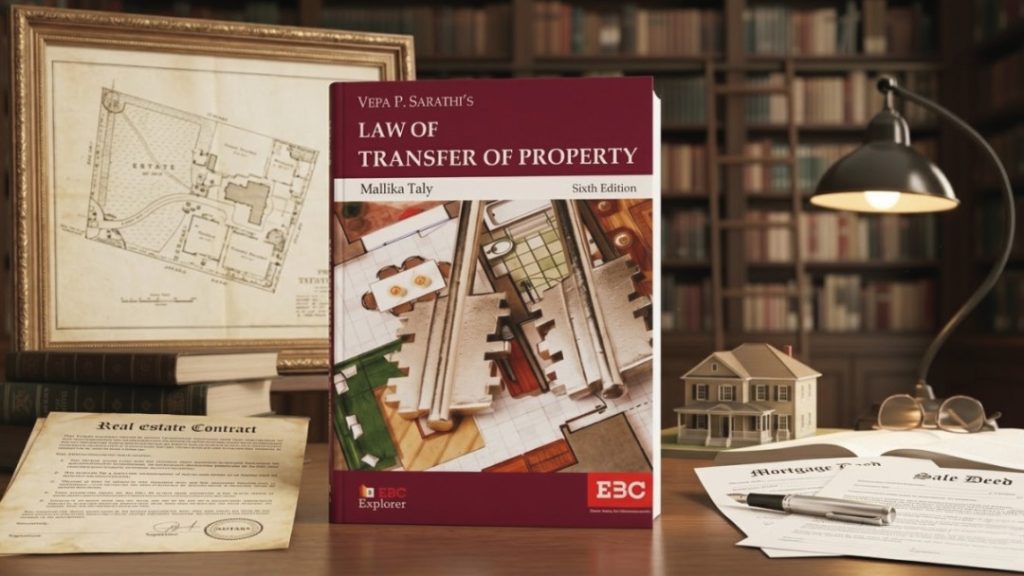
To gain a more detailed insight into this topic, consider referring to this book on the EBC Webstore.